As the Trump administration weighs a significant military escalation against Iran, an unlikely faction is invoking the memory of Charlie Kirk to argue against intervention. Major figures within the MAGA movement are digitally resurrecting the slain Turning Point USA founder, circulating his past warnings that a "regime change" war would be a catastrophic error. This posthumous campaign highlights a deepening ideological rift and presents a unique political problem for a White House that has meticulously aligned itself with Kirk's legacy.
Last week, commentator Jack Posobiec shared a clip from Kirk's show last June. In it, Kirk skeptically questioned the logic of targeting Iran's leadership. "So we are just going to take out the ayatollah? Oh really! What next?" Kirk asked, framing the debate in terms that now resonate with a base weary of foreign entanglements.
The effort is also playing out in electoral politics. In South Carolina, Republican Senate candidate Mark Lynch, who is challenging incumbent Lindsey Graham, recently used a clip of Kirk criticizing Graham's hawkishness. Kirk had called a potential war with Iran "a weird, fanatical obsession" that would prove "destructive to our own country," a line Lynch hopes will galvanize anti-interventionist voters.
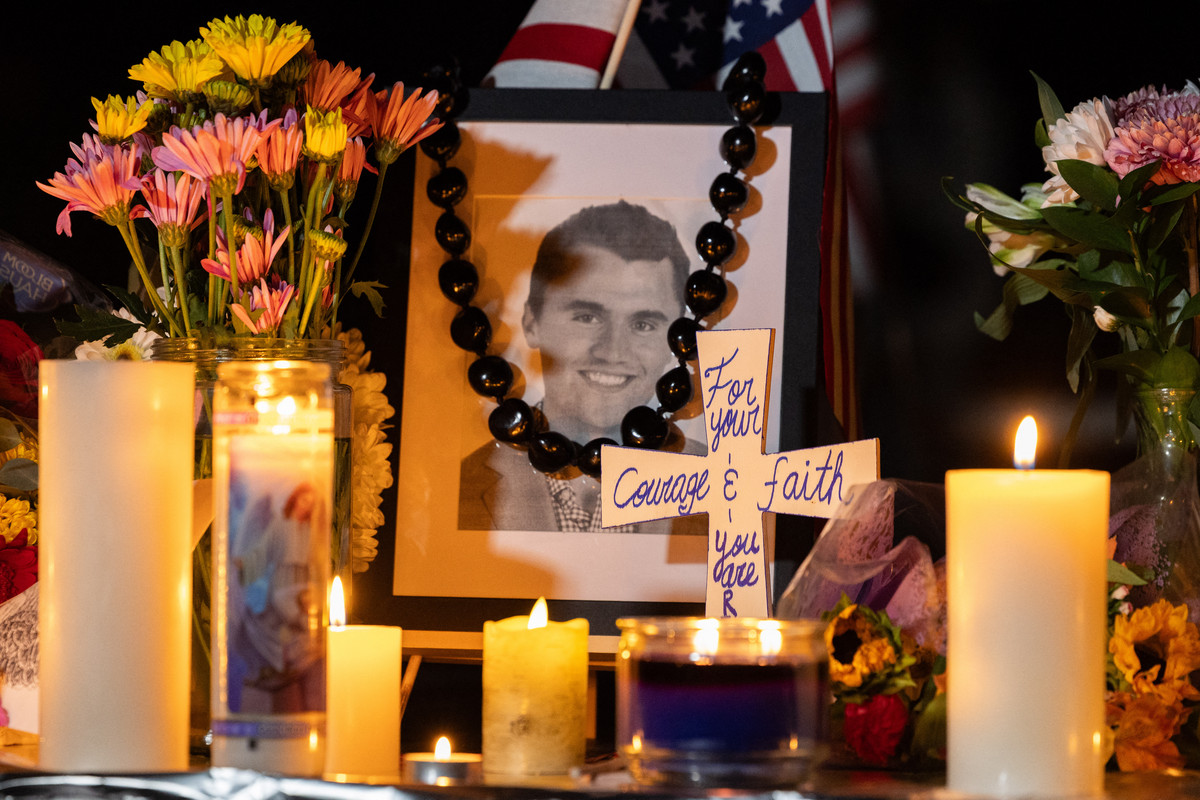
This mobilization speaks to Kirk's enduring, even heightened, influence since he was killed at a campus event in Utah. The White House has issued proclamations in his honor, and senior officials continue to appear on his still-running program, cementing his canonization within the movement. Yet that very act of canonization has created a liability. The administration now faces a faction weaponizing Kirk's own words against a policy it is actively considering.
A Haunting from the Base
Pro-Trump accounts have widely reposted one of Kirk's final warnings, issued just before U.S. airstrikes on Iranian nuclear facilities last June. "Keep the pressure up. Regime change in Iran would be a catastrophe," he wrote. For administration officials, these words are no longer historical posts but a rallying cry from their own base.
The phenomenon underscores a central tension within the MAGA coalition, between its nationalist, "America First" instincts and the more traditional Republican hawkishness embraced by figures like Graham. Kirk, in death, has become the standard-bearer for the former, his authority unchallengeable. The administration's dilemma is not merely about Iran, but about navigating the conflicting priorities of a movement it helped to shape, now echoing with a voice it cannot answer.