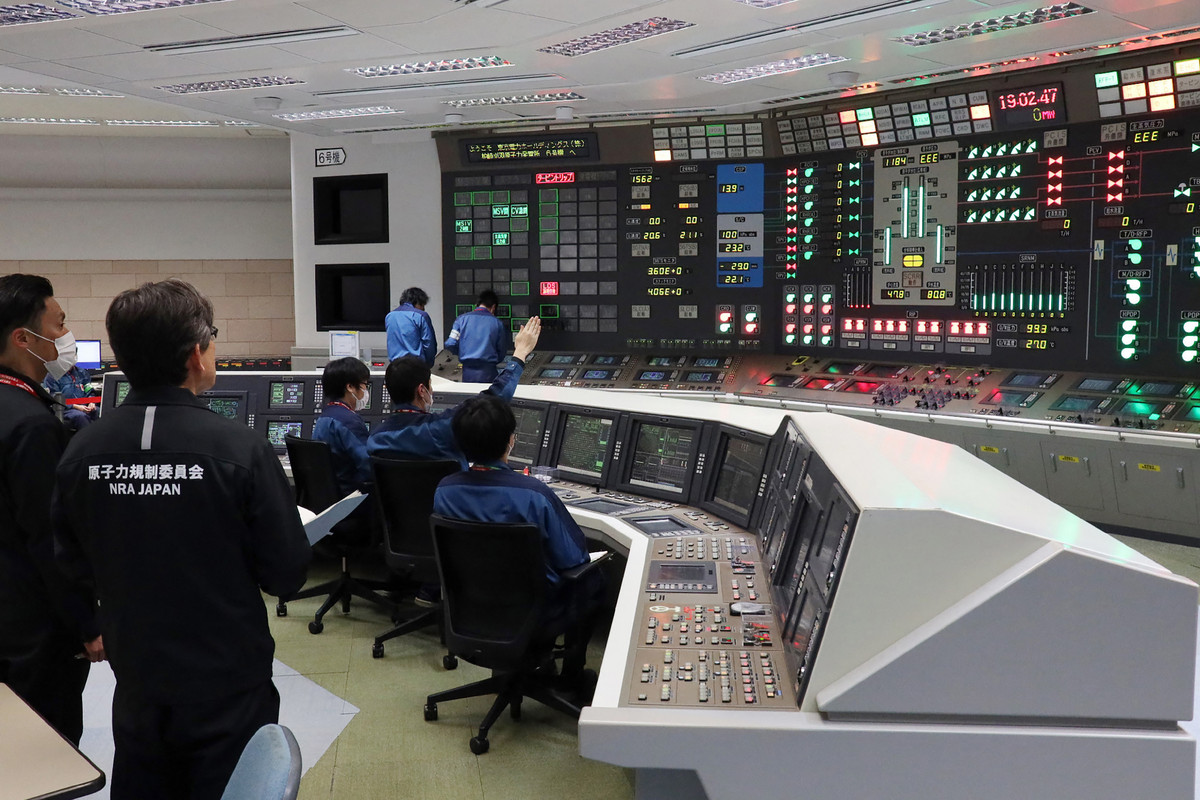
The restart marks the country’s 16th since the 2011 disaster, a decisive pivot for a nation that once idled its entire nuclear fleet. This resurgence is driven by two powerful and concurrent forces: soaring electricity demand from data centers powering artificial intelligence, and severe disruptions to natural gas imports caused by wars in Europe and the Middle East.
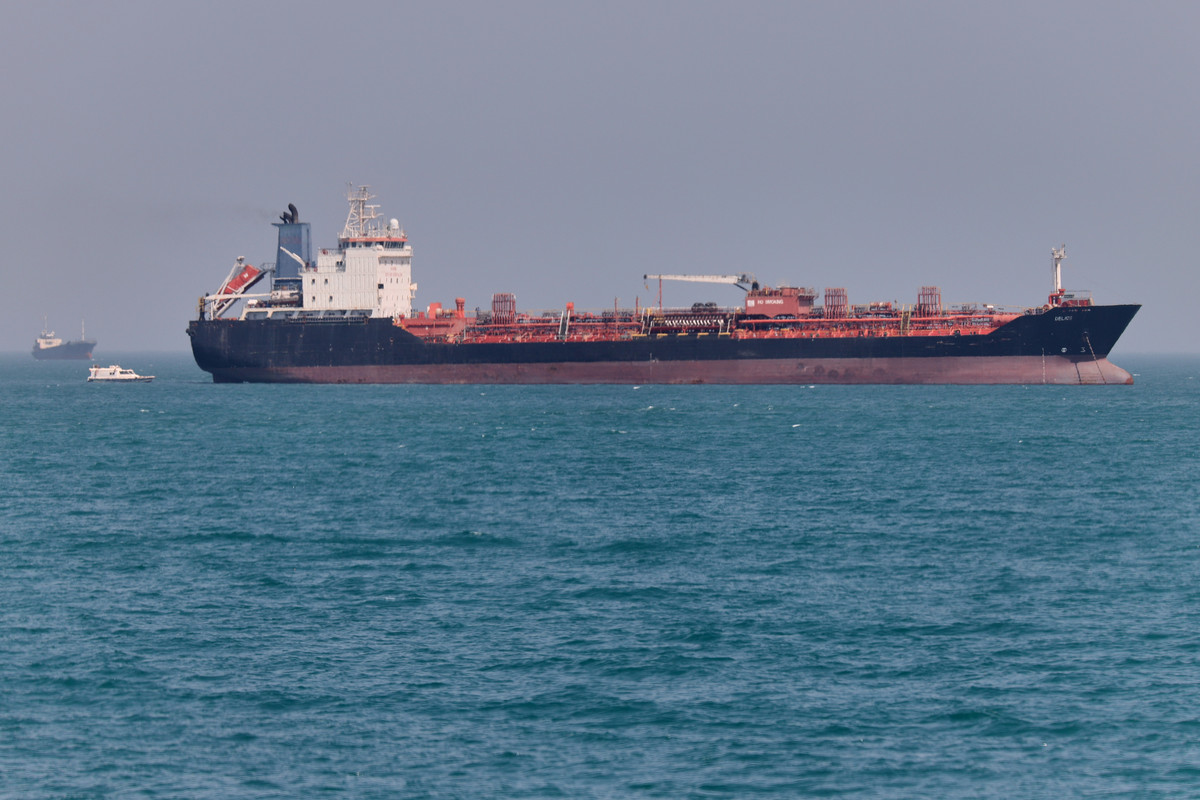
Japan depends on imported liquefied natural gas for nearly a third of its power. The war in Ukraine forced a sudden retreat from Russian gas, and now conflict around the Strait of Hormuz has threatened a vital supply route. Although the strait has recently reopened, about 10 percent of Japan’s LNG imports transit this chokepoint, contributing to regional prices hitting a three-year high earlier this year.
A Reversal Forged in Crisis
Toyoshi Fuketa, former chair of Japan’s Nuclear Regulation Authority, said the debate over nuclear power’s future was transformed by geopolitics. "One of the most influential issues was the war in Ukraine," he noted, highlighting the vulnerability of relying on external energy sources. The subsequent conflict involving Iran further strengthened the argument for a domestic, stable power source.
The political direction is now clear. Prime Minister Sanae Takaichi aims to double nuclear power production by 2040. The restarts are advancing even at plants operated by Tokyo Electric Power Co. (Tepco), the utility responsible for the Fukushima Daiichi meltdown, signaling a stark prioritization of energy security.
Public sentiment, however, remains a significant hurdle. Polling by researcher Hiroshi Yamagata shows only 37 percent of Japanese support restarting existing plants, with a mere 24 percent in favor of building new ones. The legacy of Fukushima, where abandoned buildings still scar the landscape, continues to foster deep-seated caution among citizens.
Despite this ambivalence, the economic and strategic pressures appear overwhelming. With AI development demanding ever more electricity and global LNG markets rendered volatile by conflict, Japan’s government and industry are betting that the risks of nuclear power have become preferable to the demonstrated perils of dependency.