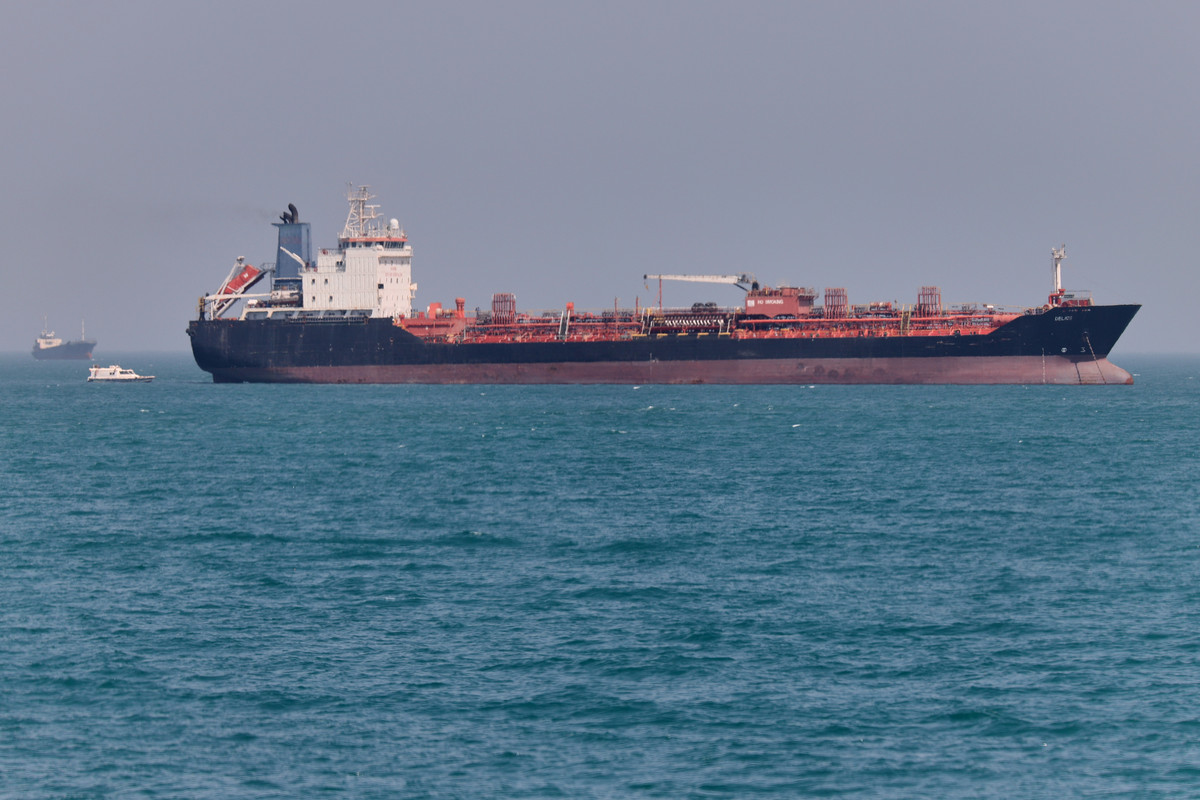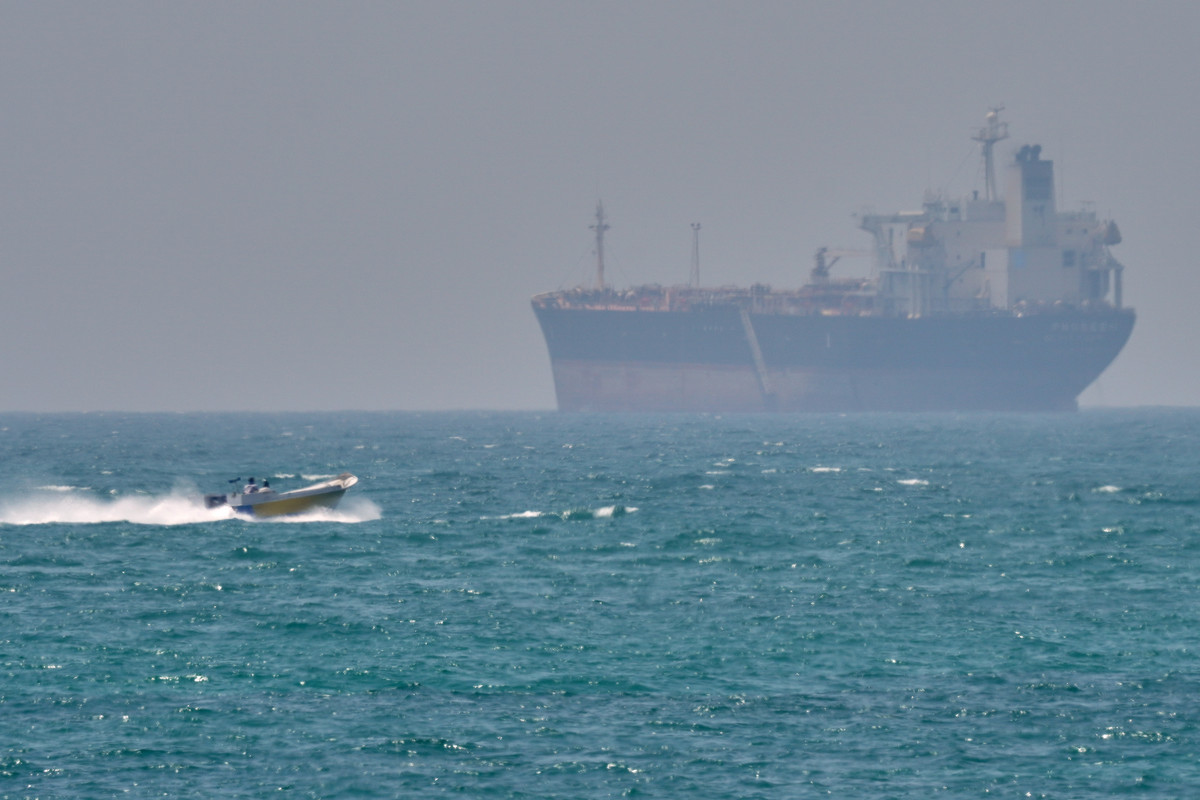
aircraft carrier, a stark symbol of American military power, remains stationed in the waters off Iran’s coast. Its presence is the central reason a planned diplomatic flight to Pakistan this week never left the ground.
The high-stakes negotiations between the United States and Iran are now suspended. Iran is refusing to send its team to Islamabad until President Donald Trump lifts the U.S. blockade of the Strait of Hormuz, according to two Middle East officials briefed on the situation. The demand has created an immediate impasse, with Vice President JD Vance remaining in Washington after his travel plans were put on hold.
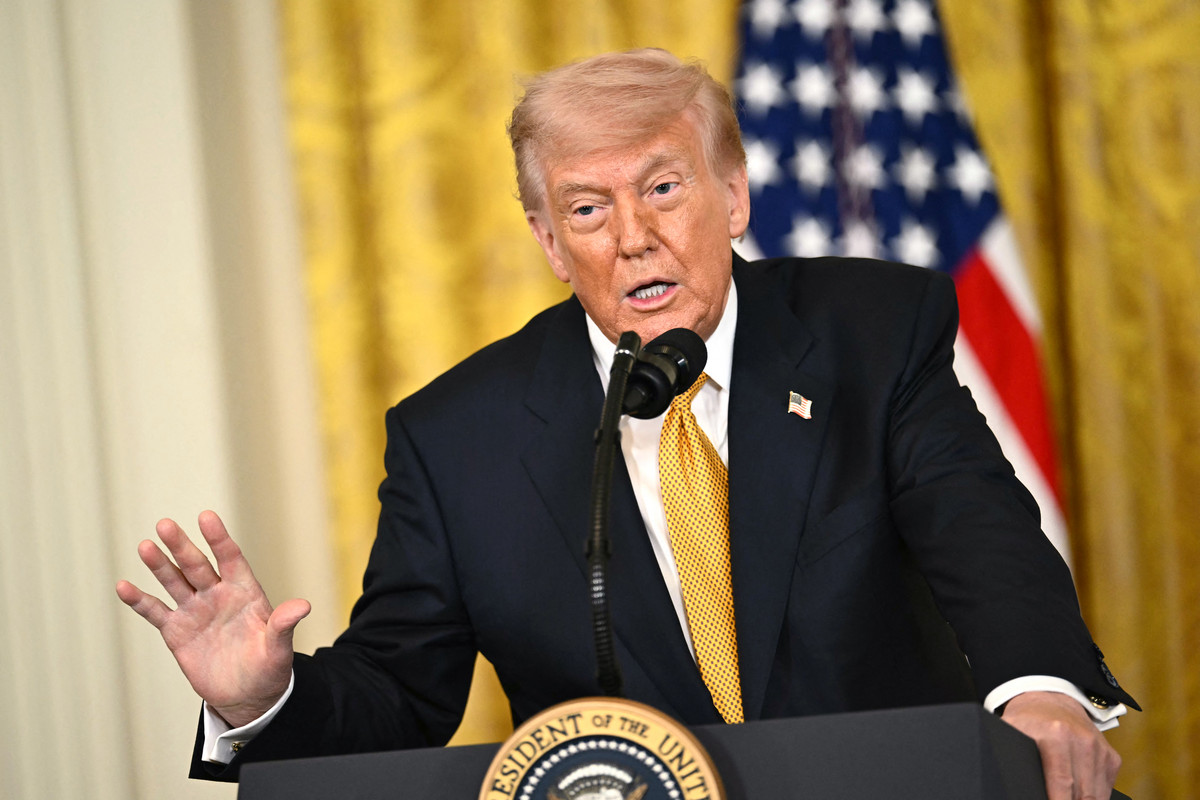
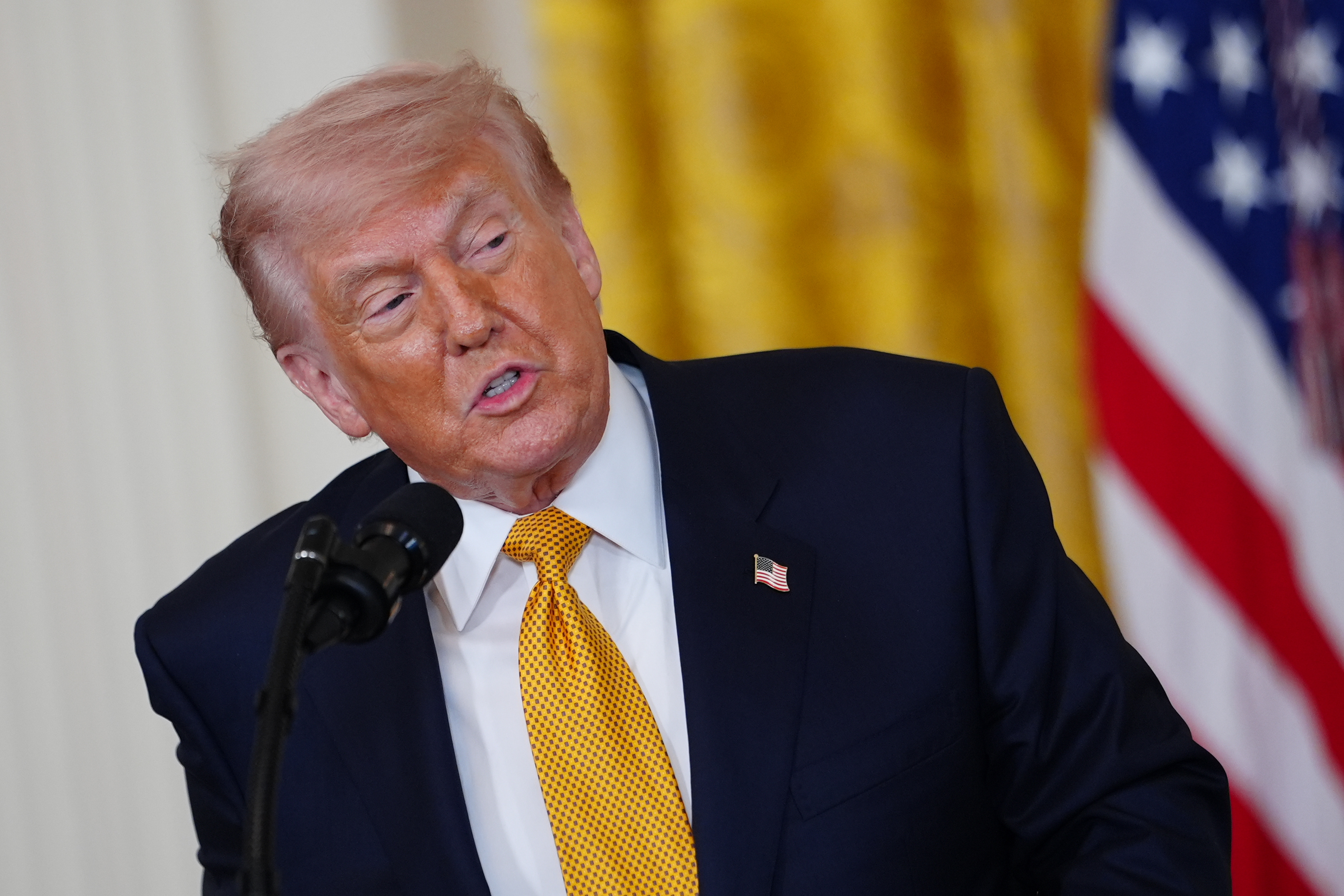
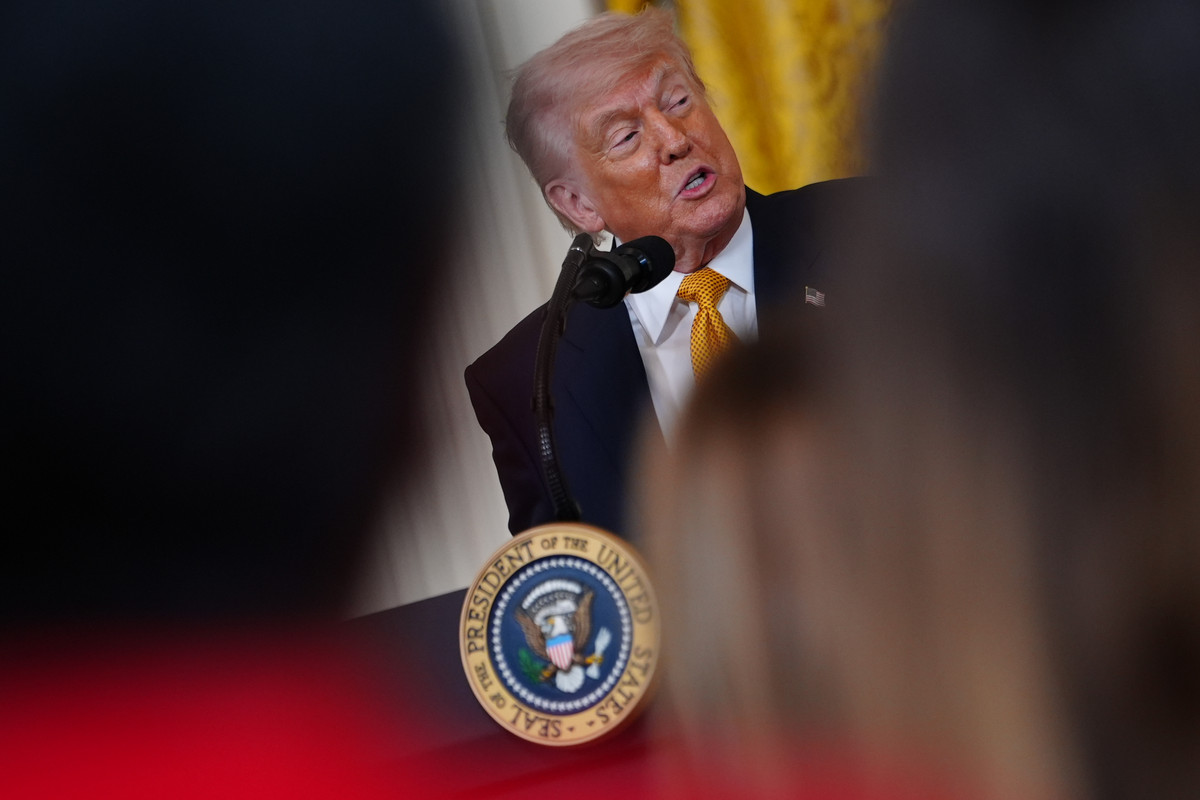
Trump has sent a dizzying array of signals about the talks, which he suggested on Tuesday would resume “soon.” He has given no clear indication of when, or if, Vance, special envoy Steve Witkoff, or senior adviser Jared Kushner would depart. The president stated on Monday he would not lift the blockade before a deal is reached, a position that directly contradicts Tehran’s precondition for returning to the table.
In a minor concession, Trump on Tuesday afternoon agreed to extend a fragile ceasefire for a second time, which he framed as a favor to host nation Pakistan. The move underscored the fluid and volatile nature of the negotiations, now six weeks into a simmering conflict. The two sides have traded public threats and negotiated through the press, leaving it unclear which demands are genuine red lines and which are bluffs.
A Diplomatic Stalemate
Iran’s representative to the United Nations, Amir Saied Iravani, publicly confirmed the blockade is a top priority. “As soon as the U.S. lifts it,” he told reporters, “the next round of the negotiations will take place in Islamabad.” He added that Iran had received some indications Washington might be prepared to do so, a claim the White House has not substantiated.
The White House has not clarified whether Vance will attempt the trip. His planned delegation arrived at the White House on Tuesday to discuss whether a second face-to-face meeting is even feasible given the current deadlock.
The blockade is just one of several unresolved issues complicating the talks. The chaotic diplomatic moment reflects a war characterized by rapid escalations and uncertain off-ramps, with Trump’s often-conflicting public statements alternately calming global markets and inflaming tensions with Tehran.
For now, the path to diplomacy runs through a narrow, heavily militarized strait. Until the warships there move, the negotiators appear destined to stay put.