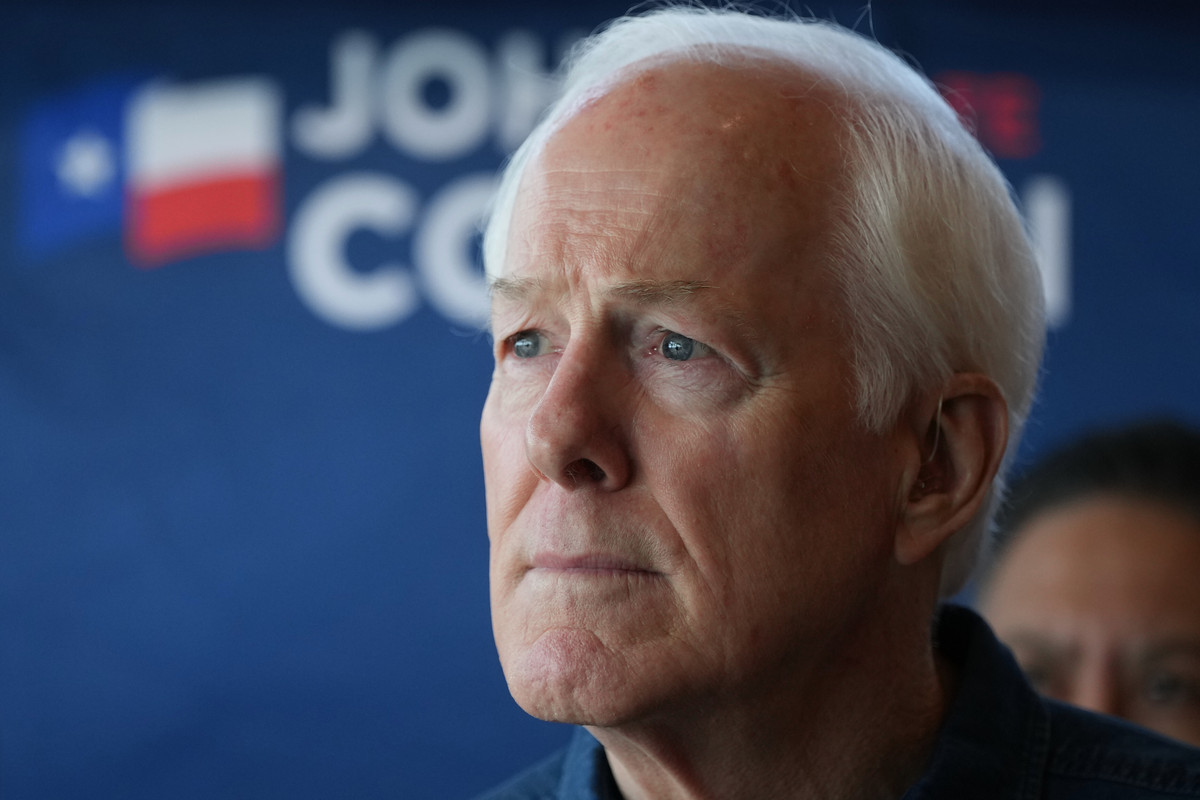
“I feel a responsibility to the state and to the people I represent not to turn it over to a crook,” he said, his gaze fixed on the passing landscape.
The four-term Texas Republican, once the Senate’s second-ranking GOP leader, is fighting for political survival in a party that has dramatically reshaped itself around Donald Trump. His primary challenge represents a fundamental clash between a traditional conservative ethos of deal-making and a newer politics defined by performative confrontation. Cornyn’s fate may signal whether there is still a place in the modern GOP for a lawmaker who views compromise as a duty rather than a betrayal.
At 74, after a respected 40-year career spanning the state judiciary and the U.S. Senate, many expected Cornyn to retire. He recently lost bids for both party leader and a committee chairmanship. Yet he is pursuing a fifth term, driven in significant part by a desire to block his main rival, Texas Attorney General Ken Paxton, whom he views as ethically compromised and a risk to the party’s hold on the seat. “If there’d been an honorable person who was serious and willing to do the job, I would have to think twice,” Cornyn admitted.
His campaign is a testament to a fading political style. Cornyn still believes in the unglamorous work of governance, like securing federal funding for water desalination projects, and sees incremental progress through legislation as the core of a senator’s role. This stance has left him at odds with the faction of the party that prizes theatrical opposition over tangible, if modest, achievement. “We’ve got enough performance artists in DC,” he said, drawing a clear line between his approach and that of his critics.
The Emperor's Thumbs-Up
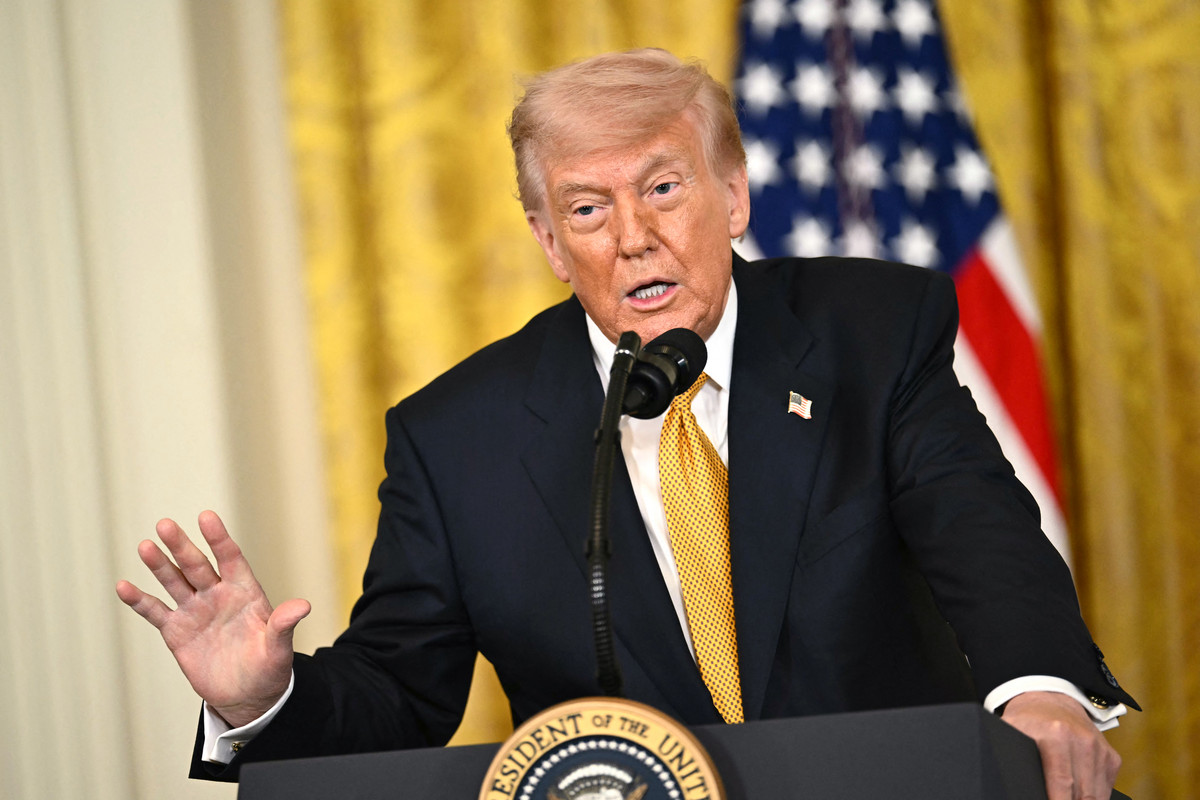
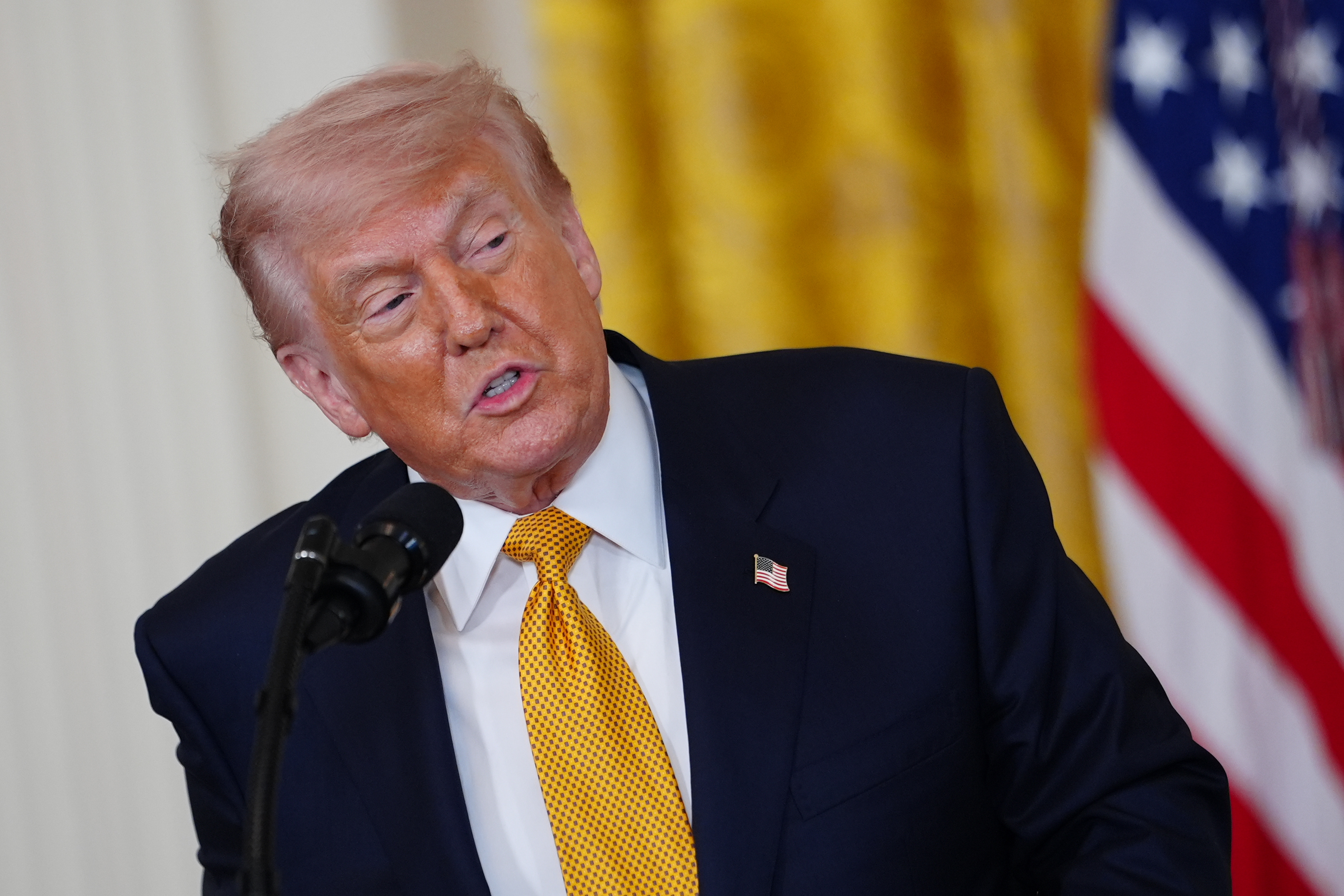
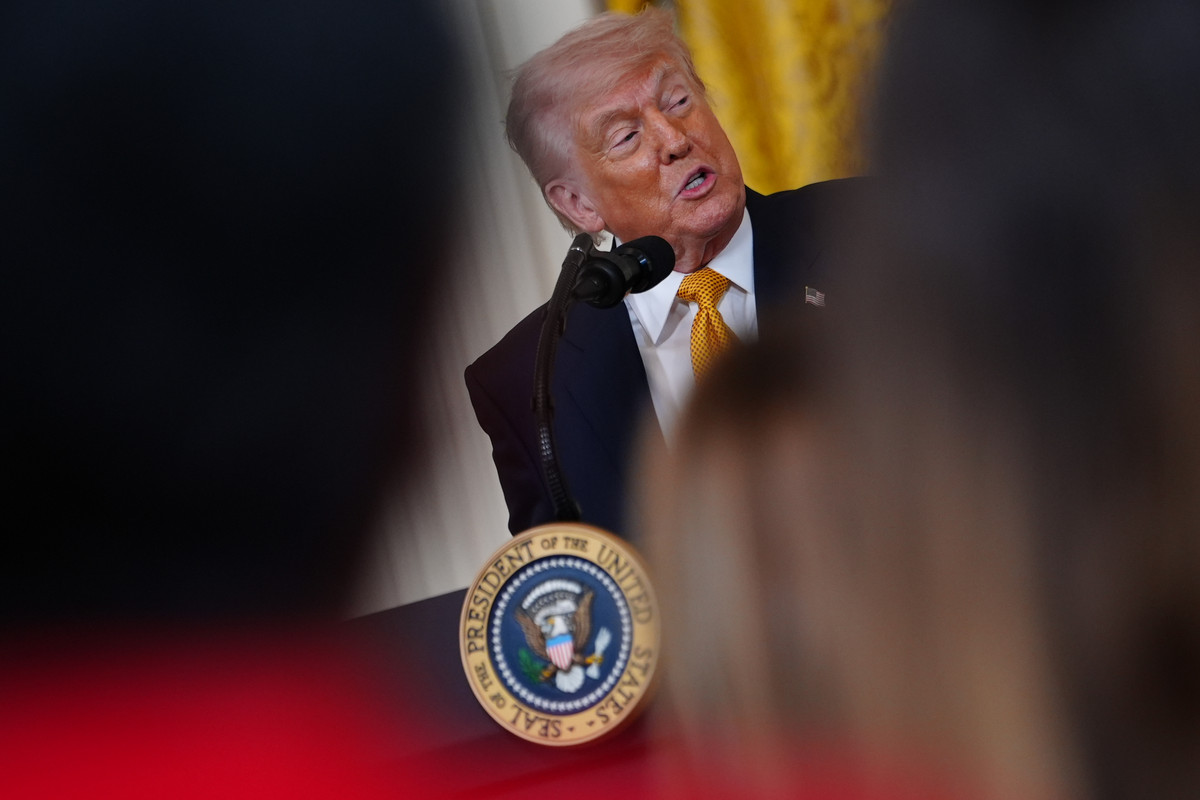
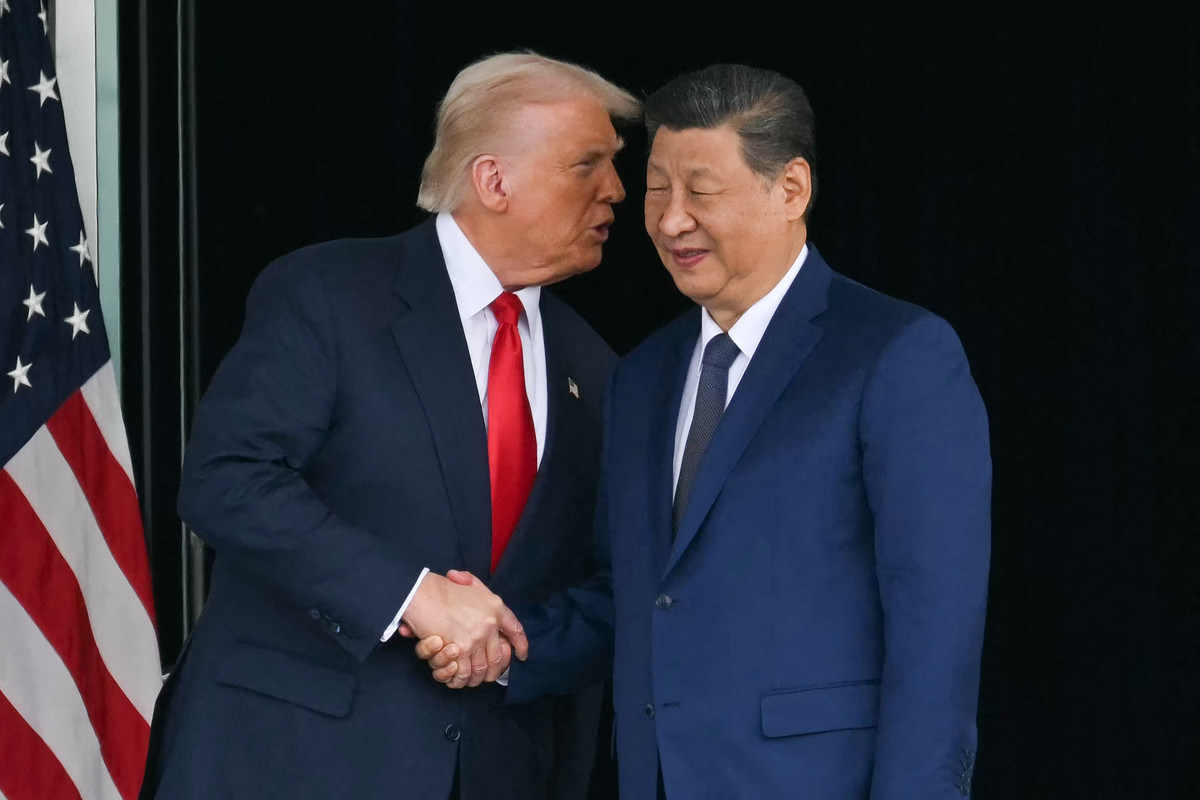
In today’s Republican Party, even a senator with Cornyn’s pedigree understands that a career can hinge on the approval of Donald Trump. The former president’s endorsement is the modern equivalent of a thumbs-up in the Colosseum, a necessary shield against being fed to the primary challengers. Cornyn has received that sign of favor from Trump, but it has not insulated him from a fierce battle, revealing the limits of establishment security in the Trump era.
Between a lunch with border officials and a meeting with local mayors in Edinburg, Cornyn displayed a characteristic willingness to speak plainly, a trait that has defined his career but also marks him as an outlier in an age of calculated messaging. He does not pretend his motivation is purely a love for the office itself, framing his run as a defensive action for both his state and his party’s broader electoral interests.
As the primary approaches, the contest is more than a personal rivalry. It is a referendum on what kind of representation Texas Republicans want and what they believe a senator should be. A victory for Cornyn would suggest a lingering appetite for institutional experience and behind-the-scenes work. A defeat would confirm the total dominance of a new political model, one where the performance often outweighs the policy.
Ultimately, Cornyn’s bid is a high-stakes test of endurance. He is betting that decades of constituent service and a reputation for seriousness can still resonate with voters more accustomed to political spectacle. The outcome will determine not just who represents Texas, but whether a traditional Republican path in the age of Trump leads anywhere at all.