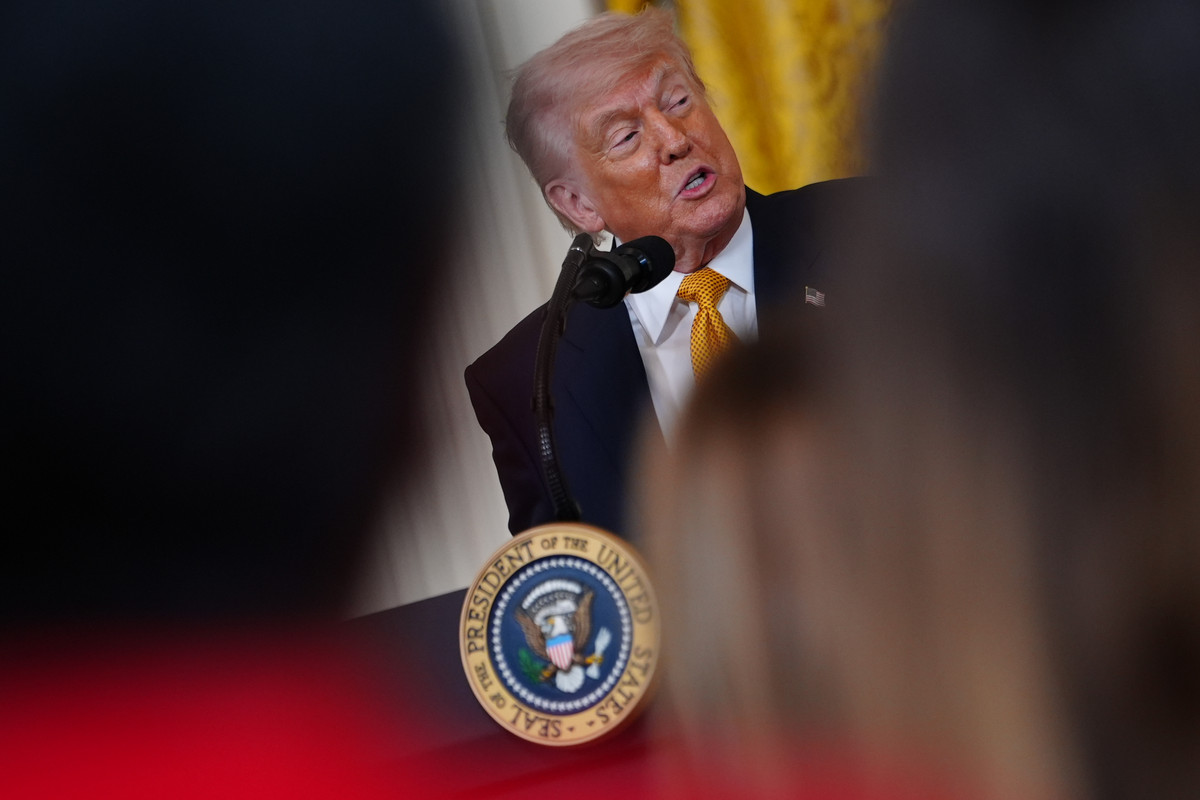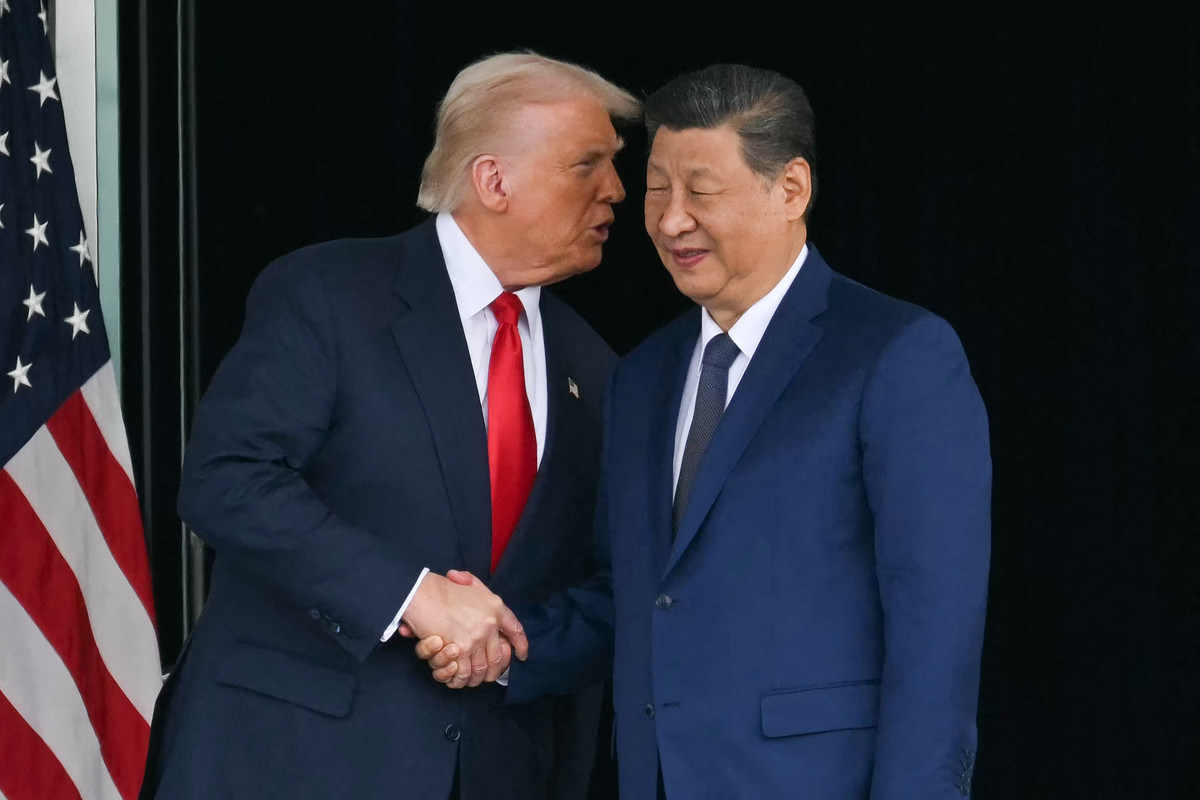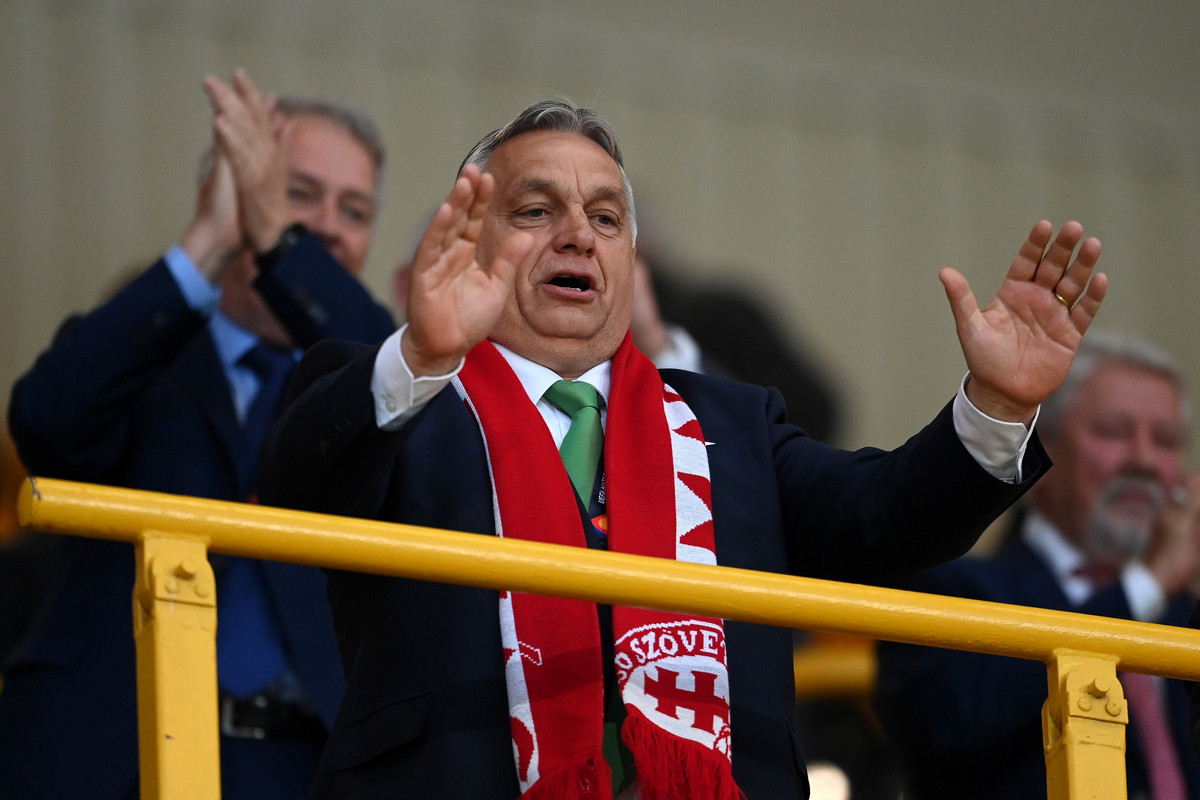
The visual contrast is no accident, encapsulating the carefully crafted narrative of a leader who has fused national sport with political control for nearly a decade and a half.
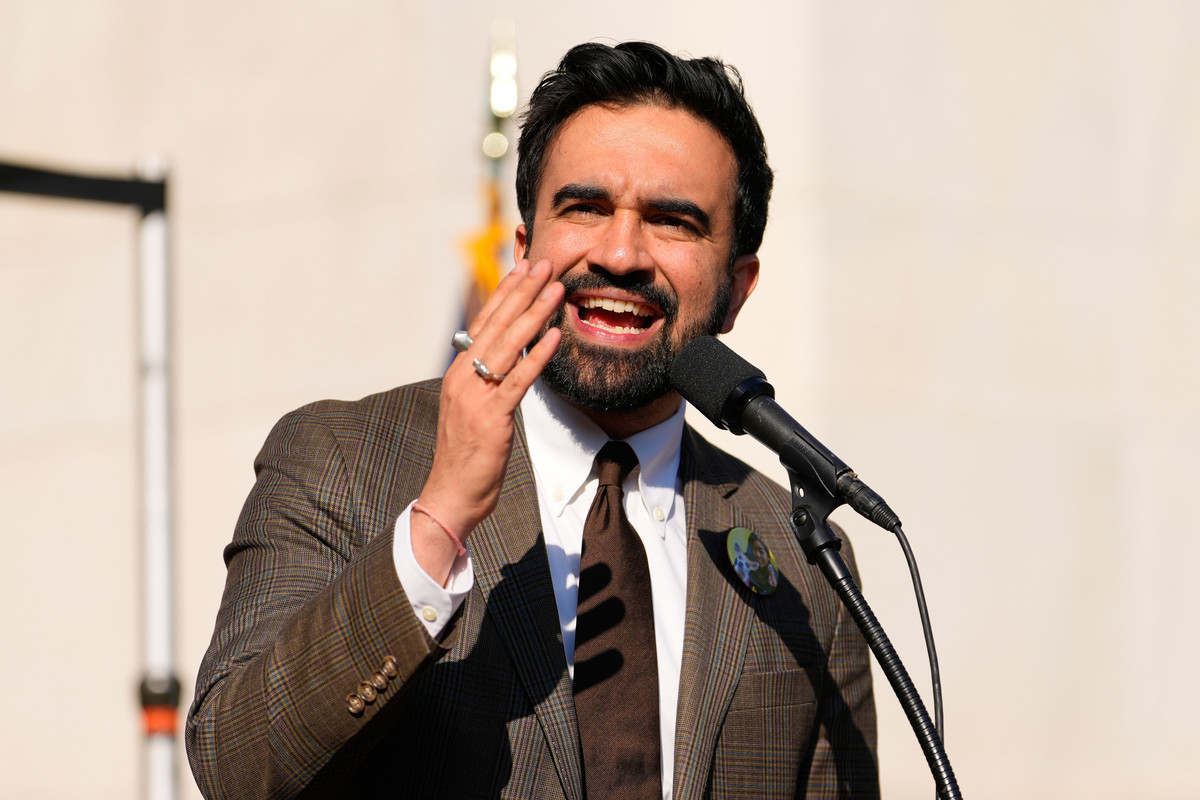
That fusion, a central pillar of Viktor Orbán’s rule, is now being tested as never before. With a national election imminent, the Hungarian leader finds himself trailing in opinion polls for the first time since his political dominance was cemented in 2010. The challenger, Péter Magyar, a defector from Orbán’s own Fidesz party, has harnessed widespread discontent over corruption and the economy, pushing his new Tisza party into a lead that recent polls suggest is growing.
Orbán’s political identity has long been intertwined with soccer. He founded the local club, Puskás Akadémia, and presided over the construction of its state-of-the-art stadium, using the sport as a conduit for a message of national pride and traditional values. The strategy transformed matches into political rallies and framed loyalty to the team as loyalty to the nation, a potent formula that helped insulate him from previous electoral challenges.
A Strategy Under Strain
Now, however, the very tools of Orbán’s ascendancy appear to be faltering. The lavish spending on sports infrastructure, often in small towns loyal to Fidesz, has become a symbol for opponents alleging systemic graft and the misdirection of European Union funds. For many voters, the stadium in Felcsút no longer represents national revival but rather the excesses and perceived corruption of the ruling elite.
Magyar’s campaign has adeptly turned Orbán’s imagery against him. He frames the prime minister not as a defender of Hungary but as a cynical operator who has enriched a circle of allies while ordinary citizens struggle with inflation. This message has resonated, particularly in urban areas, and has shifted the political conversation away from the cultural battles Orbán typically prefers.
The prime minister’s response has been characteristically combative, attempting to paint Magyar as a puppet of foreign interests, including Ukraine. Yet this familiar tactic of identifying external enemies has so far failed to reverse the polling trend. The election has unexpectedly become a referendum on domestic issues—governance, living standards, and integrity—rather than the clashes of civilization Orbán has historically orchestrated.
As voters prepare to go to the polls, the stadium in Felcsút stands as a monument to a political era that may be closing. Orbán’s future, once seen as unassailable, now hinges on whether the potent blend of football and nationalism can outweigh a growing demand for change. The pitch, for the first time in years, is no longer under his sole control.