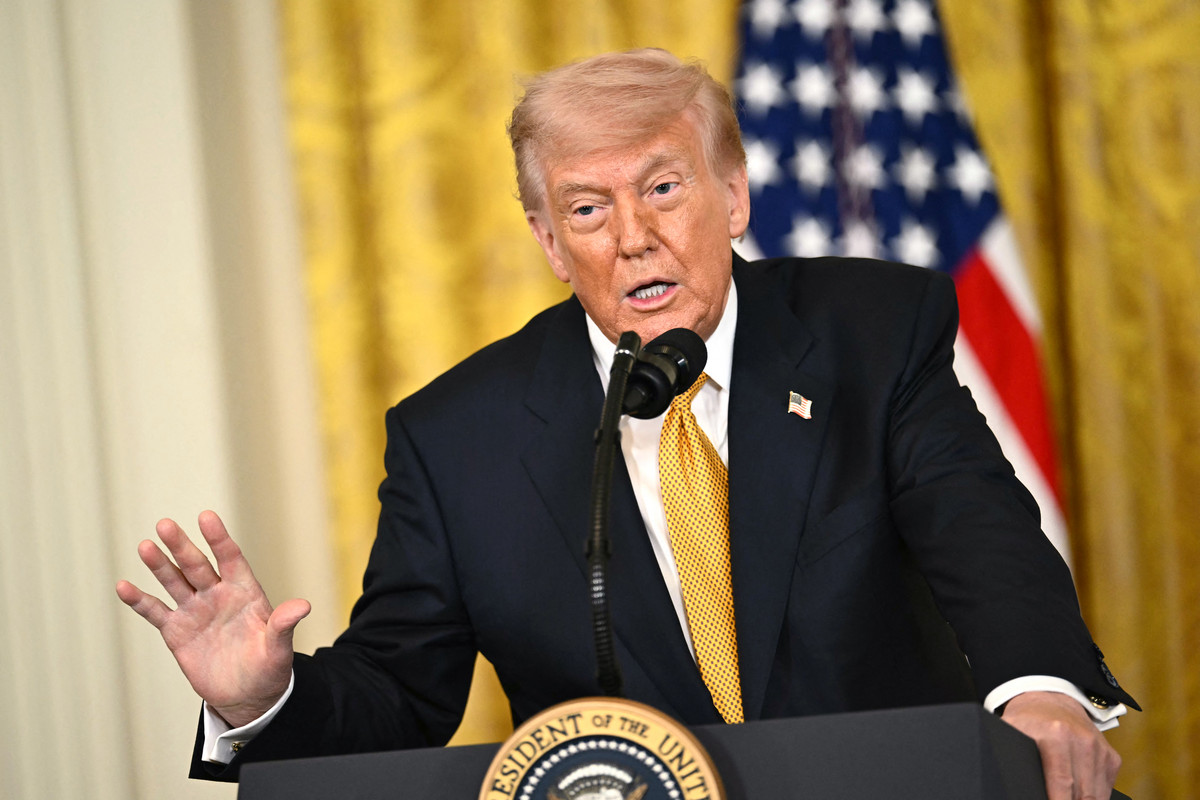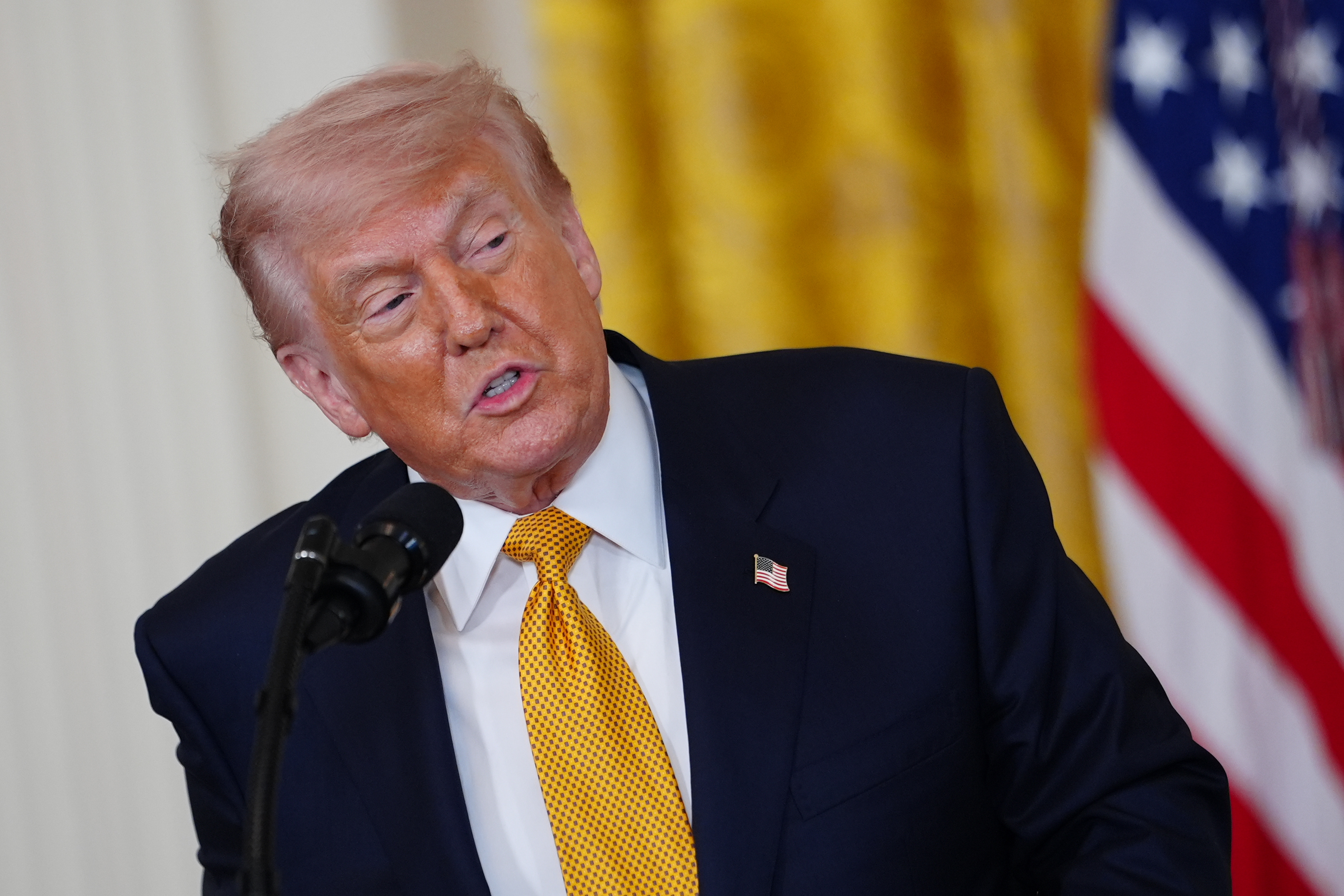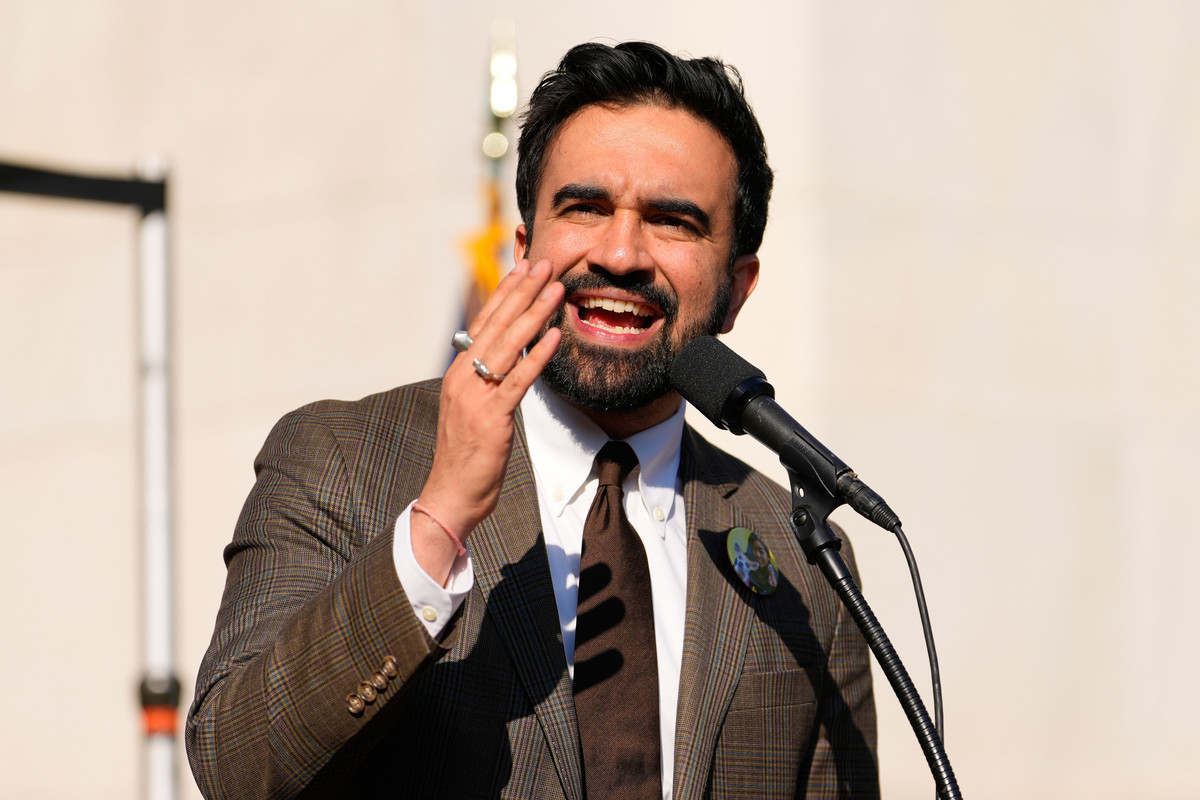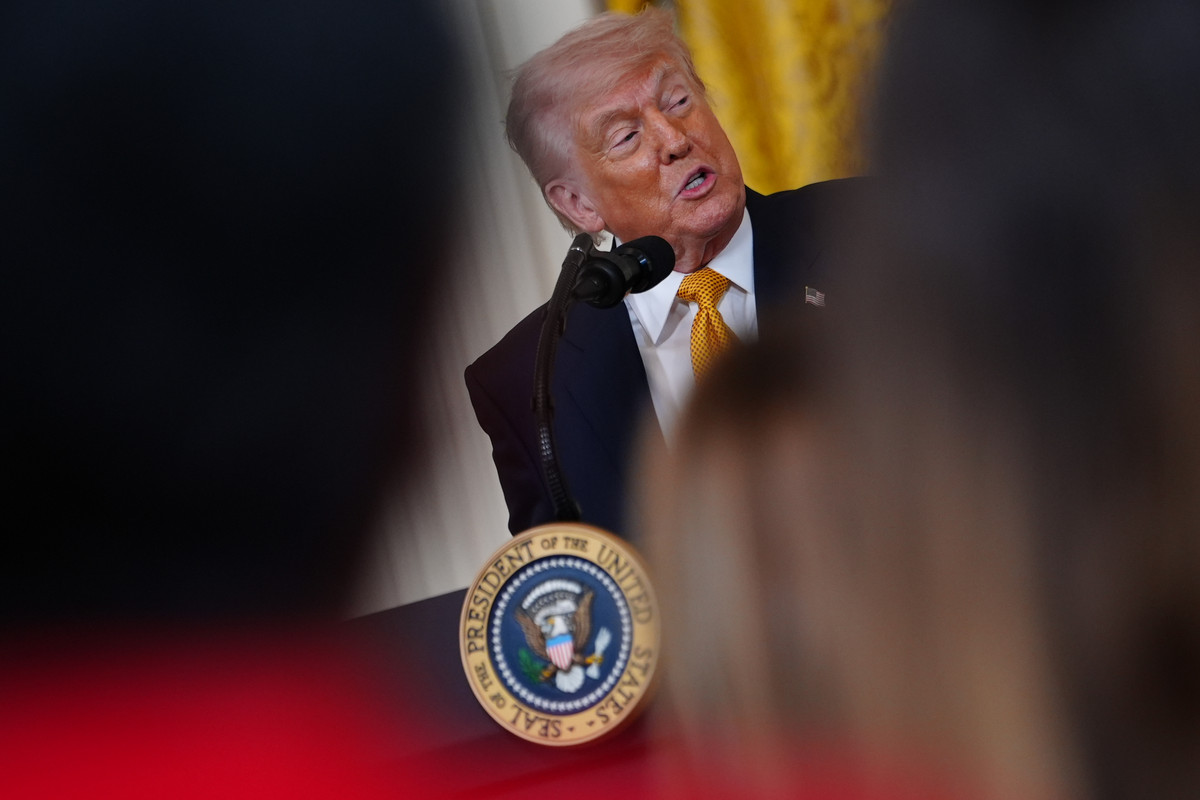
Now, standing just off the Indiana Senate floor, she speaks of a breaking point.
The rupture stems from a vengeful campaign by the former president against legislators like her who refused his demand to redraw the state’s congressional maps ahead of the midterms. Leising’s disillusionment, from a longtime ally, underscores the high-stakes political experiment unfolding this spring. A series of state and congressional primaries, beginning in Indiana and extending to Georgia and Louisiana, will serve as the first concrete measure of Trump’s clout as he navigates the second half of his final term.
Technically a lame duck since his second inauguration, Trump has actively worked to prevent that status from defining his presidency. He has invested his political capital in a slate of upcoming races, aiming to oust Republican incumbents who defied him and elevate loyalists. The outcomes will signal whether his command of the party’s base remains an immutable law of politics or is beginning to wane.
The confrontation in Indiana is particularly telling. There, Trump has targeted state senators who blocked his gerrymandering push, endorsing primary challengers against them. This move has divided local Republicans, pitting grassroots fervor for the former president against established figures who cite constitutional principles and state autonomy.
The Spring of Trump Testing
Beyond Indiana, similar tests are scheduled. Special elections and primaries in the coming months will feature candidates bearing Trump’s endorsement, each race serving as a referendum on his influence. A clean sweep of victories would send a powerful message to every Republican lawmaker in Washington and in state capitals about the ongoing cost of crossing him.
Conversely, a series of losses or unexpectedly close contests would reveal cracks in the foundation. It would suggest that while Trump remains a dominant force, his ability to dictate local political outcomes is not absolute, especially when his personal grievances collide with entrenched local interests or principled opposition.
The results will shape the operational reality of Trump’s final years in office. A strong showing would affirm his hold on the party’s grassroots, allowing him to leverage fear and loyalty to advance his agenda. A weakened one would embolden Republicans who have chafed under his direction but remained silent, potentially accelerating a shift toward the party’s post-Trump future.
For officials like Jean Leising, the upcoming votes are about more than policy. They are a verdict on the tactics of intimidation she cited, and on whether the party’s identity is permanently fused with one man’s demands. The answer will begin to emerge not in Washington, but in the heartland states that first propelled him to power.