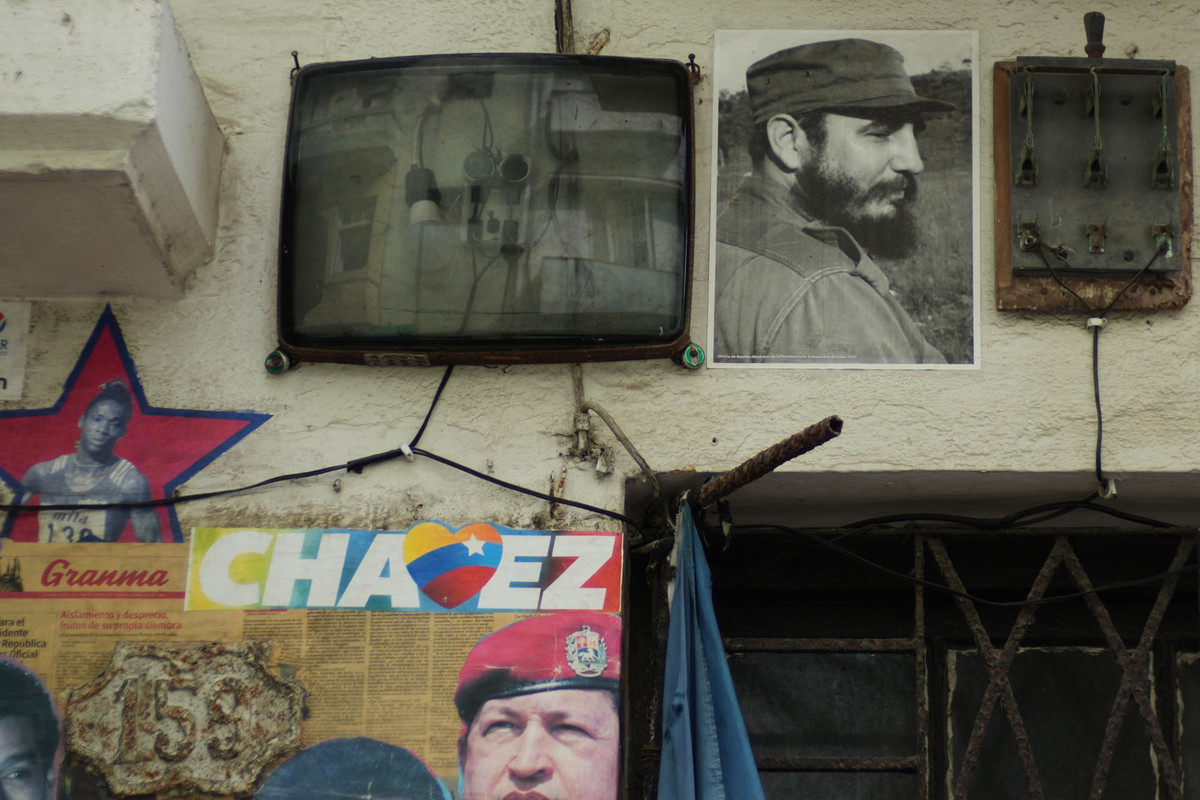
This direct assault on a provincial Communist Party headquarters, unprecedented in its brazen symbolism, signals a dangerous new phase in the protests now echoing from Havana to Santiago.
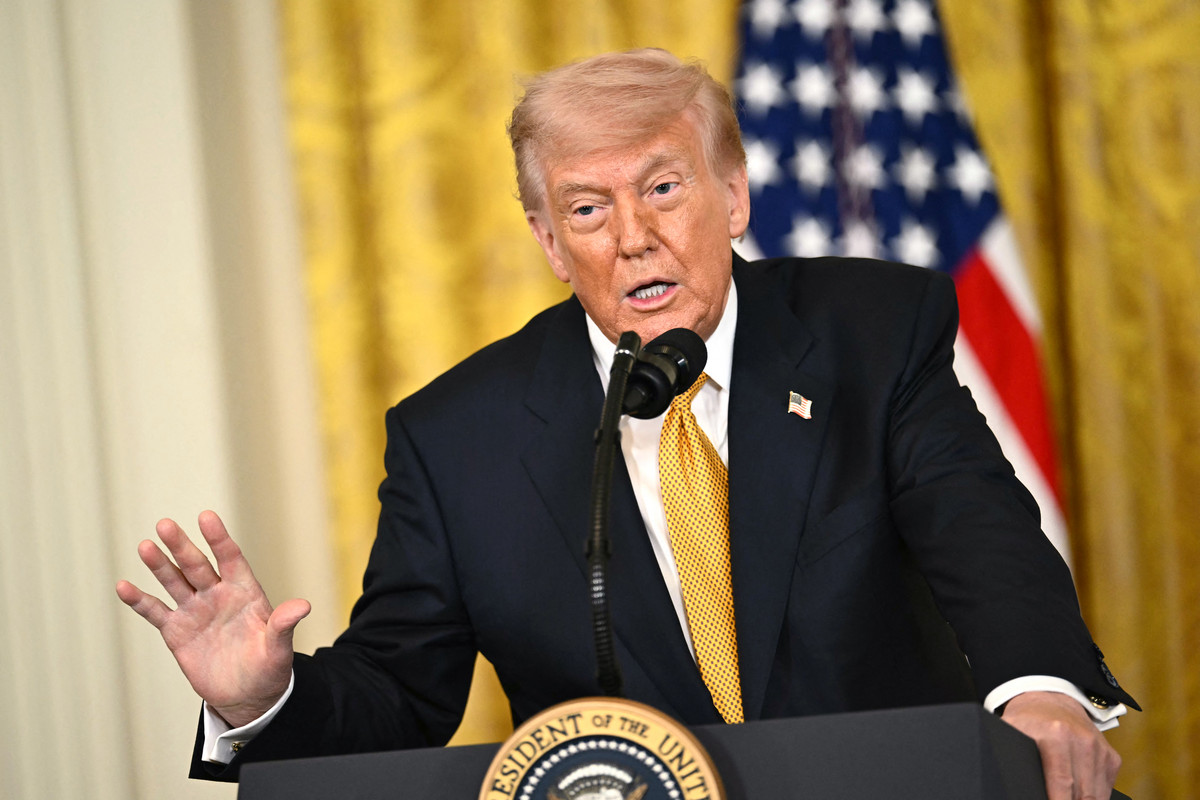
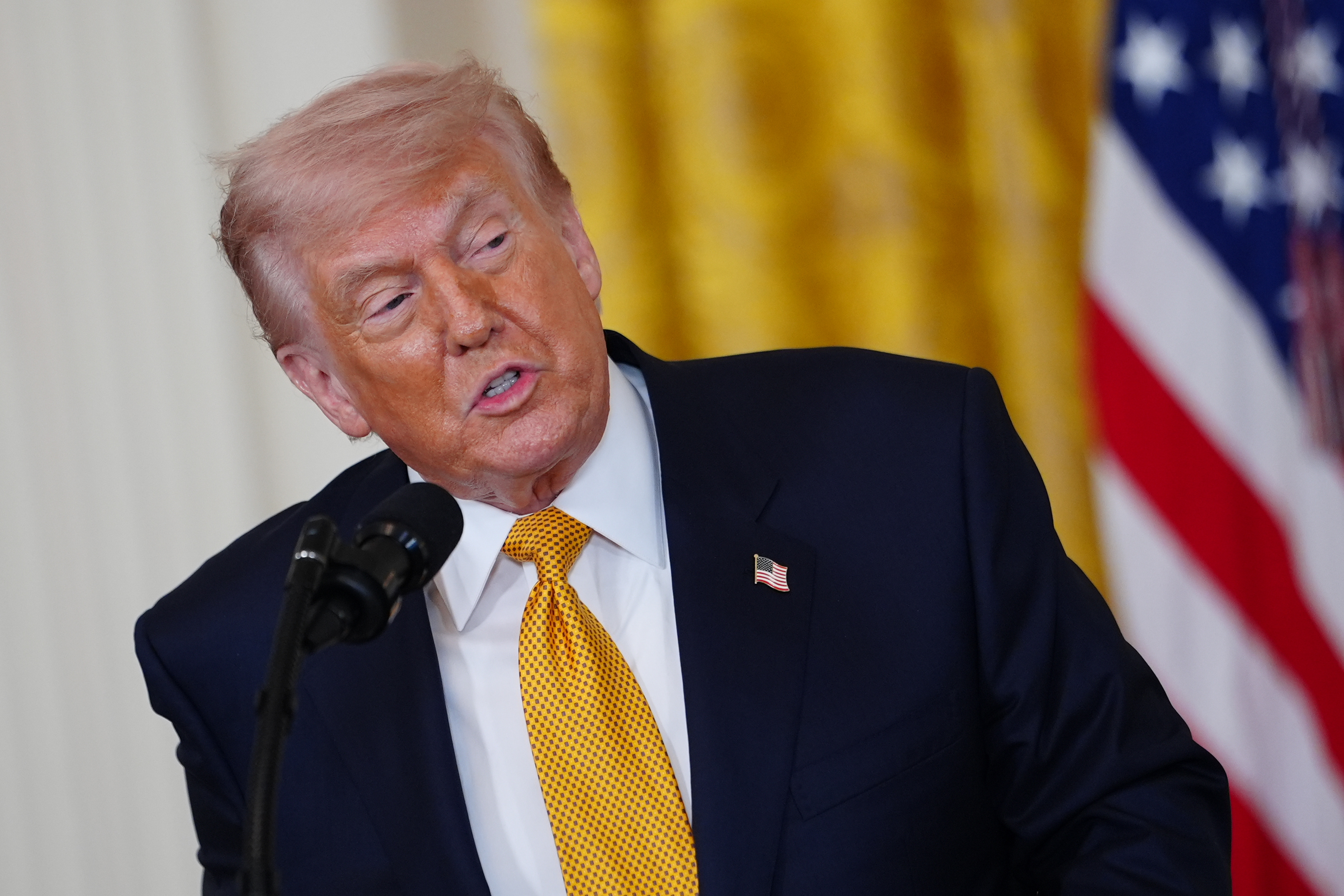
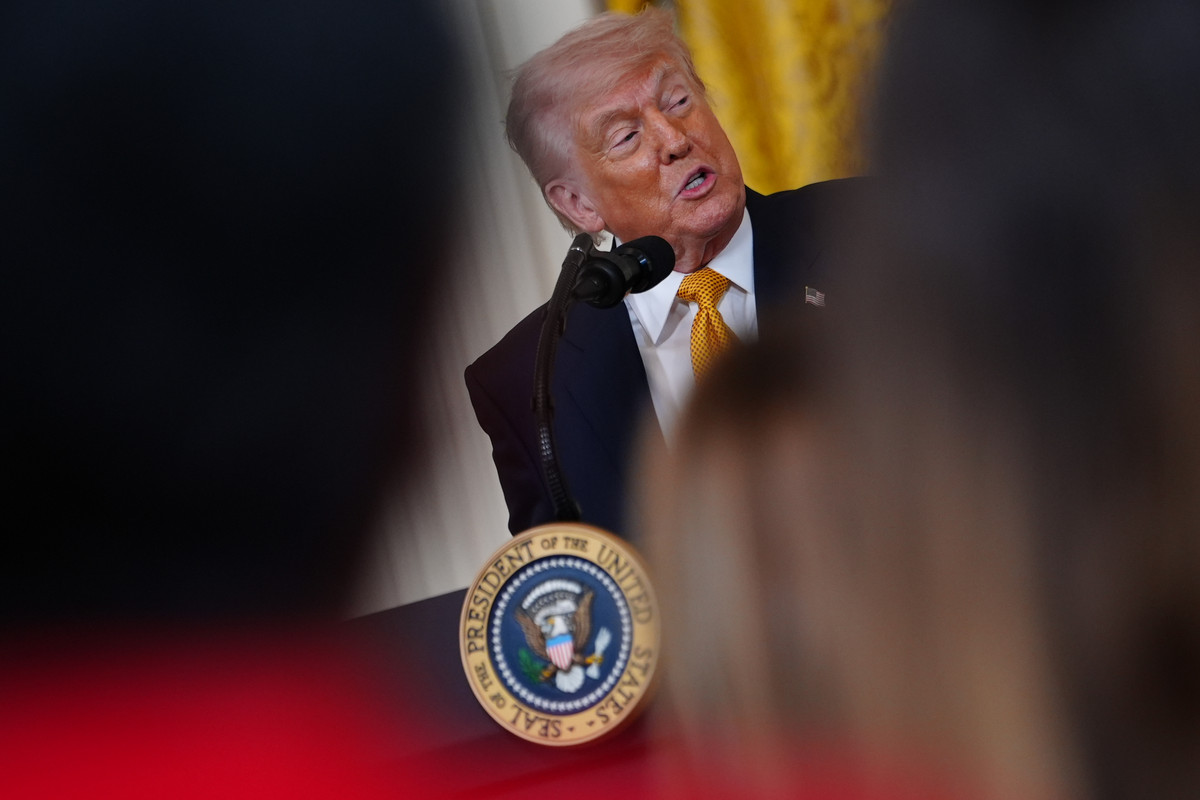
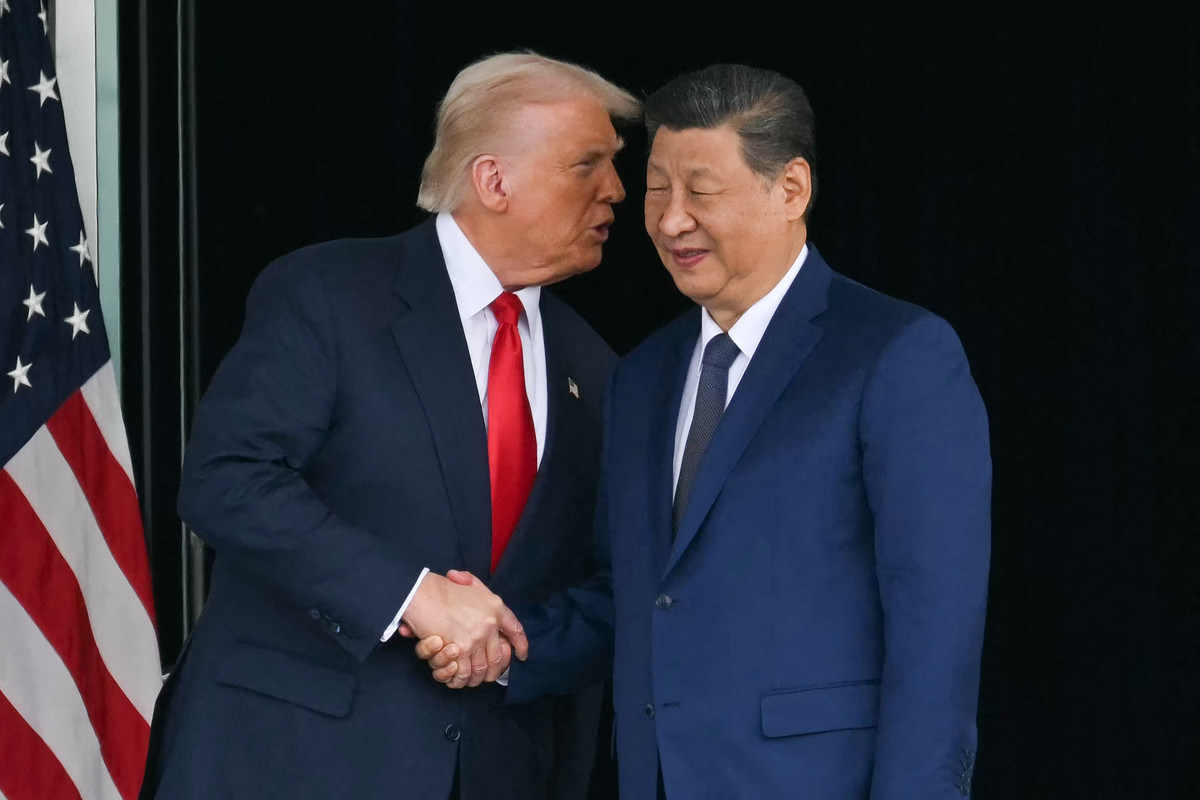
The demonstrations, fueled by a collapsed electrical grid that has plunged the nation into darkness and a crippling economic blockade, have drawn a predictable response from Washington. The Trump administration, viewing the turmoil through a single lens, is attempting to force Cuba into the same framework it used for Venezuela, promising maximum pressure to topple another leftist government. This approach, however, ignores the distinct and deeply entrenched nature of the Cuban state, which has survived decades of predictions of its imminent demise.
While the scenes of pot-banging protests and chants for liberty may recall Caracas, the parallel is superficial. The Cuban government, for all its current fragility, is not facing a rival institutional power structure like Venezuela’s opposition-led National Assembly. Its control over the military and security apparatus, recently demonstrated by the deployment of the feared Red Berets into Morón, remains largely unchallenged from within. The chaos is economic and social, not yet a clear political schism in the halls of power.
Furthermore, the government’s survival instincts are already in motion, presenting a paradox that defies simple regime-change narratives. Even as police confront protesters, the state has announced “the doors are open” for investment from the Cuban exile community, a startling potential pivot. This is not a regime in a final death spiral but one probing for any avenue to perpetuate its control, even if it means compromising its long-held economic principles.
A Path Determined by Cuba, Not Washington
The critical question, for both the protesters risking beatings in the streets and the officials clinging to power, is what follows this moment. Secretary of State Marco Rubio’s hints at a U.S.-led economic initiative presuppose a clean political transition that Cuban history simply does not offer. The island’s future will be shaped by a complex negotiation between a wounded but resilient state and a population pushed to a new limit of endurance.
For the United States to believe that squeezing Cuba will produce a neat, pro-American democracy is to repeat the foundational error of its decades-long policy. The Cuban revolution has been declared dead countless times, only to adapt and persist. The current crisis may be its most severe test, but the outcome is unlikely to be a simple capitulation to foreign pressure.
The true danger of the Trump administration’s Venezuela playbook is that it may exacerbate the suffering without achieving its stated goal, potentially pushing the island into a protectorate-style chaos rather than a democratic opening. The protests in Morón and the blackouts across the island have exposed the revolution’s flickering light, but its final dimming will be determined by Cubans, in a process far more complicated than any slogan from Washington can encompass.