The footage from his self-produced documentary captured a moment of pure political elation on the morning of October 3, 2005, just after President George W. Bush announced his choice for the Supreme Court.
That choice was Harriet Miers, the White House counsel and a close friend of the president. To Neas, then president of People for the American Way, the nomination was an unmistakable signal. After losing the confirmation battle for Chief Justice John G. Roberts Jr. just weeks before, he saw Bush’s selection as a capitulation in the proxy war over abortion and other social issues. Miers was not a product of the organized conservative legal movement, and her vague judicial philosophy represented, for progressives, a holding of the center.
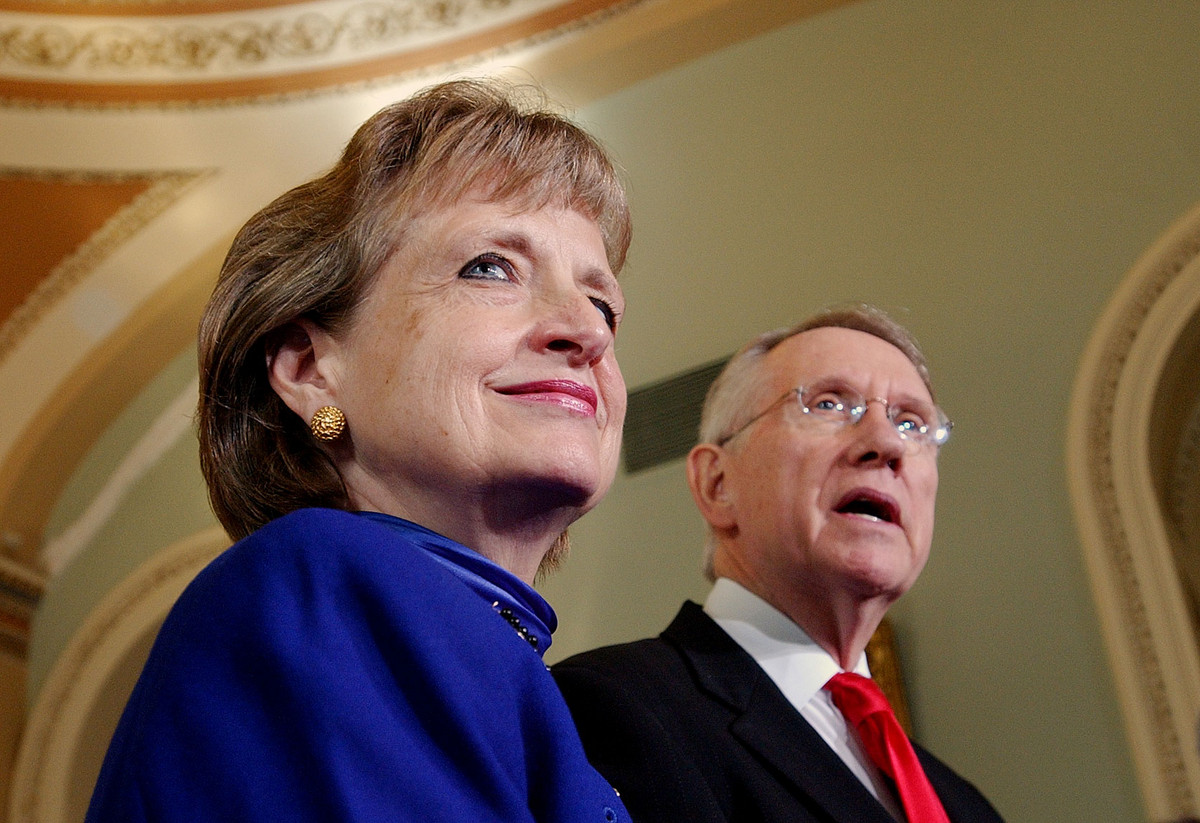
The initial Democratic reaction bordered on triumphal. Senate Democratic Leader Harry Reid privately claimed credit for suggesting Miers to the president. With Republicans controlling both the White House and Senate, Bush calculated that Reid could deliver Democratic votes for his friend, a reasonable assumption given that the more conservatively pedigreed Roberts had secured support from half the Democratic caucus. For a brief moment, it appeared Democrats had successfully defanged a nomination from an opposing president.
A Backlash That Changed History
The liberal celebration was catastrophically premature. Almost instantly, a fierce backlash erupted not from Democrats, but from within the president’s own base. Conservative legal activists, horrified by the nomination of an unknown quantity with no clear constitutional record, revolted. They cited her lack of experience and derided her as unqualified, a sentiment that quickly seeped into the media and eroded her support.
This conservative uprising created a stark political dilemma for Democratic senators. They could either join the attack on Miers’ qualifications, aligning themselves with critics like Pat Robertson and James Dobson, or they could attempt to salvage the nomination of a nominee they saw as acceptable. In the end, they chose the former, joining Republicans in demanding documents and expressing doubts. The strategy was to appear judicious, but it effectively sided with the conservative insurgency.
The pressure proved overwhelming. Miers’ nomination collapsed within weeks, withdrawing under fire from both the right and the left. President Bush, stung by the revolt, moved swiftly to nominate a candidate who would appease his base. His next choice was Samuel Alito, a federal judge with a long and clear conservative record, precisely the kind of jurist the Federalist Society had wanted all along.
Democrats, having helped dismantle Miers’ candidacy, found themselves powerless to stop Alito. He was confirmed, replacing the swing-vote Justice Sandra Day O’Connor. The seat that might have been held by a pragmatic lawyer close to Bush became instead a reliably conservative vote. The short-lived victory party in Ralph Neas’s office had paved the way for a generational shift on the court, a lesson in the unpredictable consequences of tactical political maneuvers.