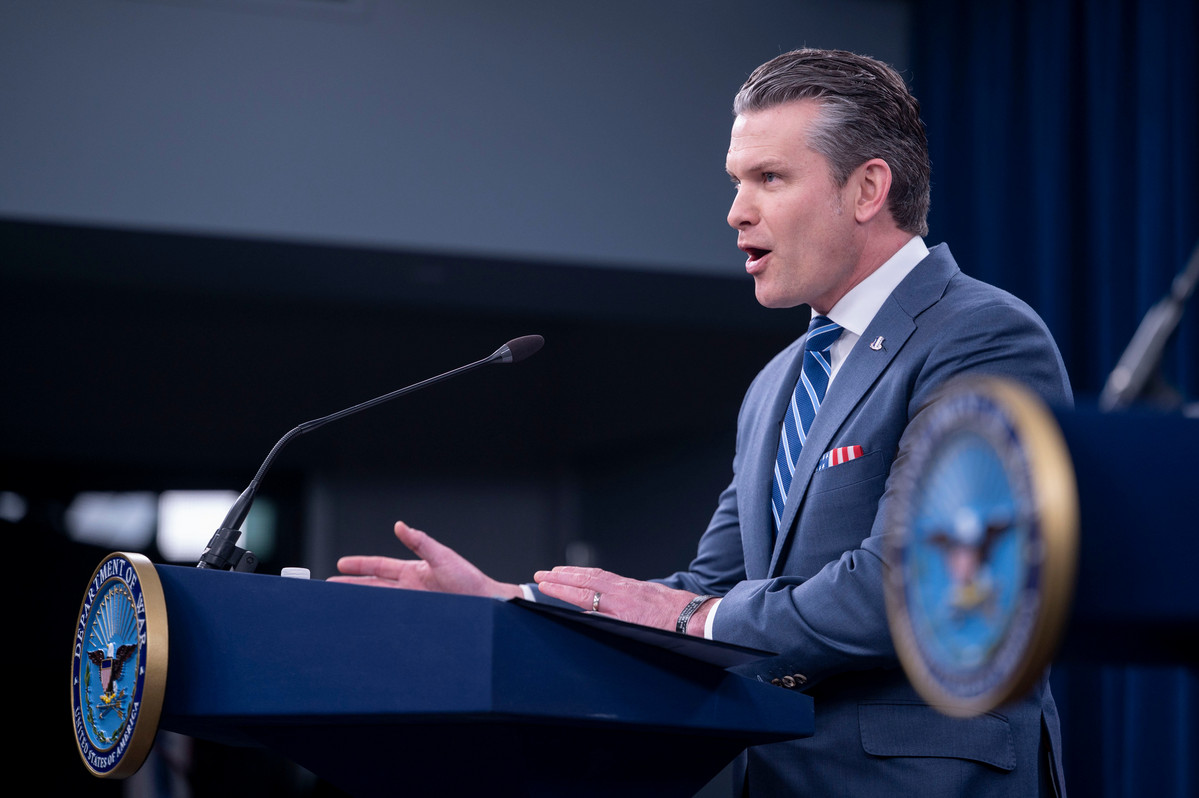
Then he promised to inflict “maximum violence” on the country and noted that the United States has “all the time in the world” to achieve victory. The contradiction was stark and familiar, a split-screen approach that has defined the Trump administration’s messaging since the first bombs fell: the war is already won, but more fighting is necessary.
Hegseth’s weekly press conference alongside Chair of the Joint Chiefs Gen. Dan Caine offered a carefully choreographed contrast. Hegseth lambasted allies for their insufficient support and threatened additional airstrikes, while Caine stuck to praising U.S. service members and delivering measured operational updates. The pairing has become a hallmark of Pentagon briefings, serving to paper over what analysts describe as a glaring absence of a clear endgame.
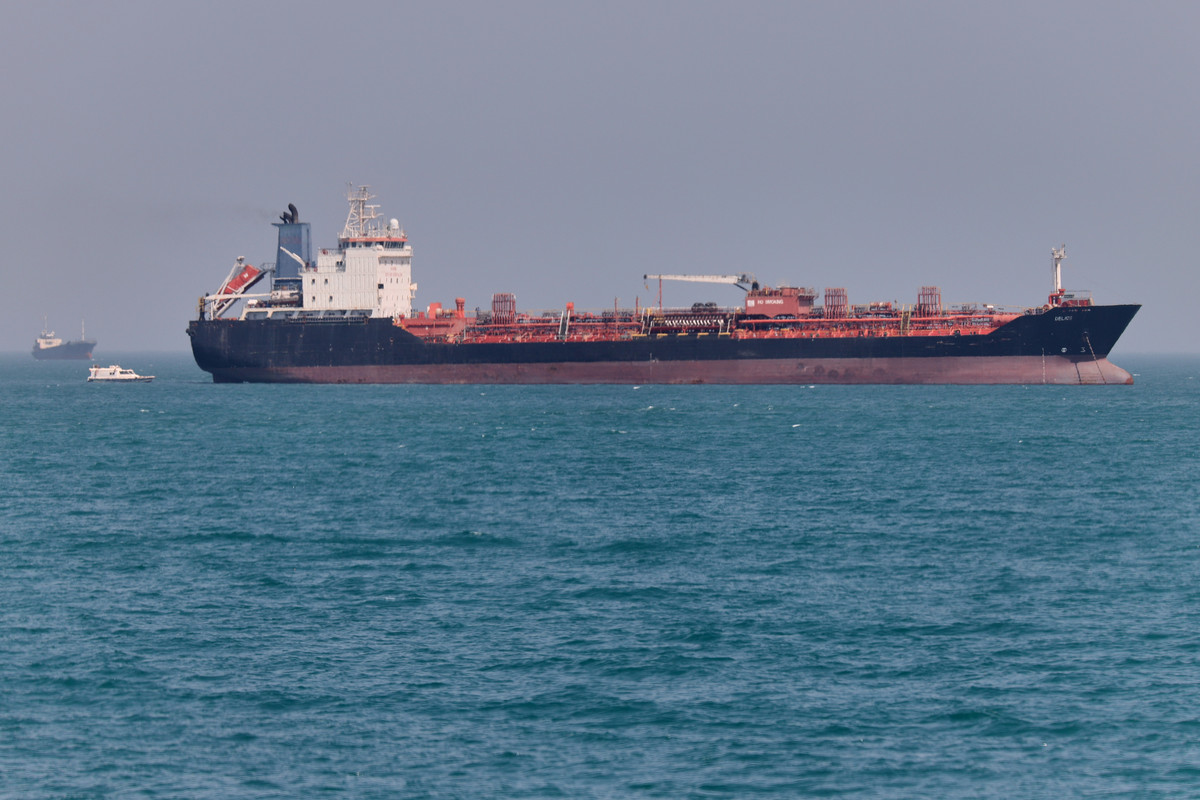
The administration’s contradictory posture comes as peace talks in Pakistan have stalled and Iran continues to block the Strait of Hormuz, a critical chokepoint for global oil shipments. Despite the White House’s insistence that the conflict is over, the United States is not drawing down. A third U.S. aircraft carrier has been deployed to the region, and additional forces are being sent, signaling a buildup rather than a withdrawal.
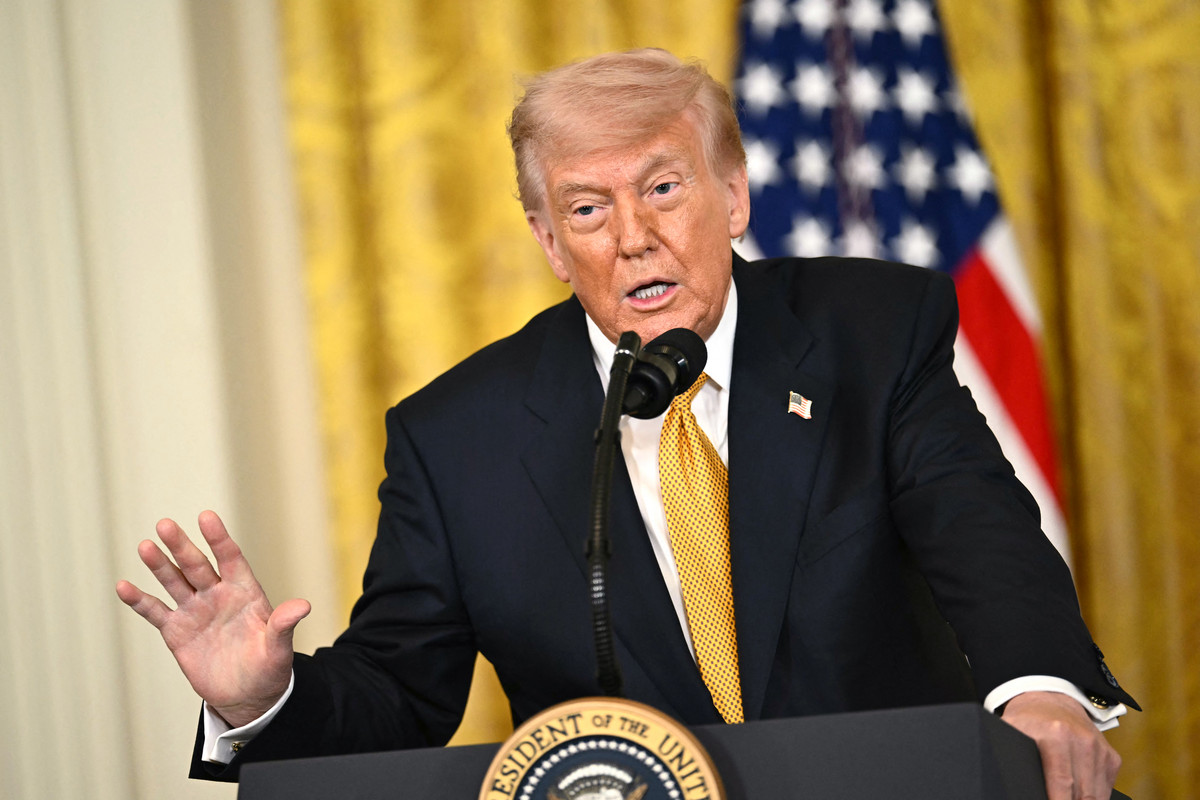
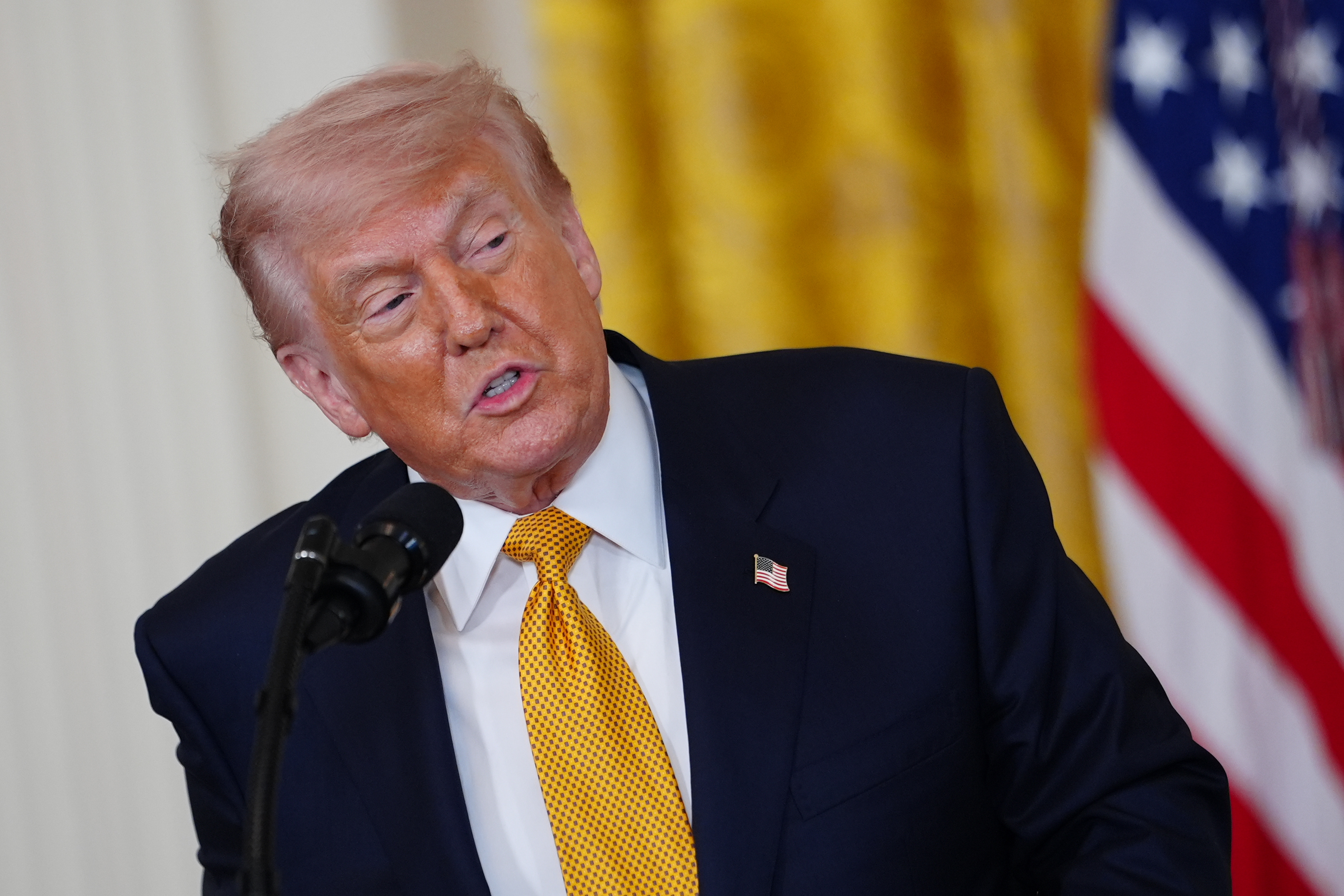
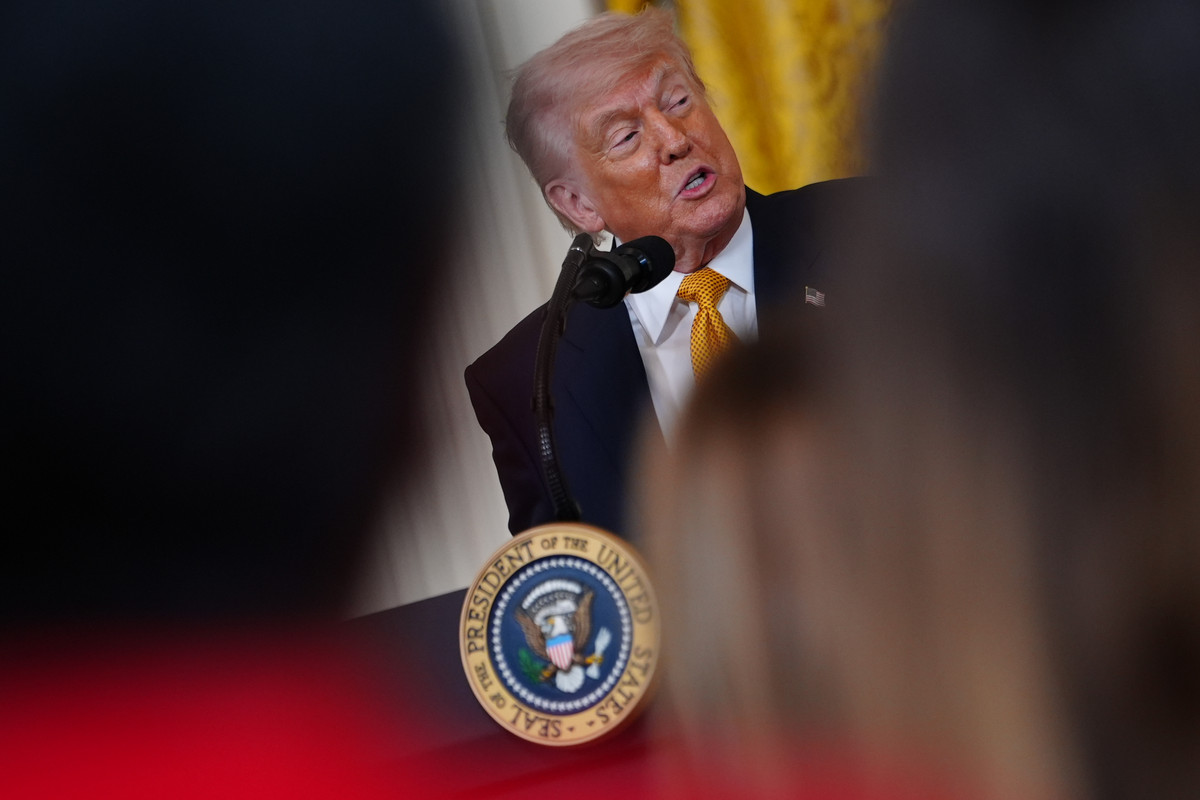
President Donald Trump has maintained from the opening days of the war that the U.S. had already achieved victory, while simultaneously threatening to bomb critical infrastructure and eradicate Iran’s “whole civilization.” That rhetorical whiplash, echoed by Hegseth on Friday, has left allies and adversaries alike uncertain about Washington’s ultimate objectives.
War Without an Exit
Hegseth sought to distinguish the current campaign from the long, costly conflicts of the past. “The real endless war is the war Iran has waged on the United States for 47 years,” he said, framing the strikes as a long-overdue response rather than a new entanglement. But the lack of a defined off-ramp has raised concerns among military planners and foreign policy experts who see echoes of earlier interventions that drifted without clear strategic goals.
The administration’s demand for greater burden-sharing from allies has also intensified. Hegseth’s pointed criticism of partner nations during the briefing underscored a growing frustration within the Pentagon that coalition support has not matched the scale of the operation. Yet even as the U.S. calls for help, it continues to expand its own military footprint in the Persian Gulf.
For now, the Pentagon’s message remains one of triumphalism paired with preparation for more war. The weekly briefings offer a window into a strategy that appears to be fighting on two fronts: one against Iran, and another against the perception that the conflict has no end in sight.