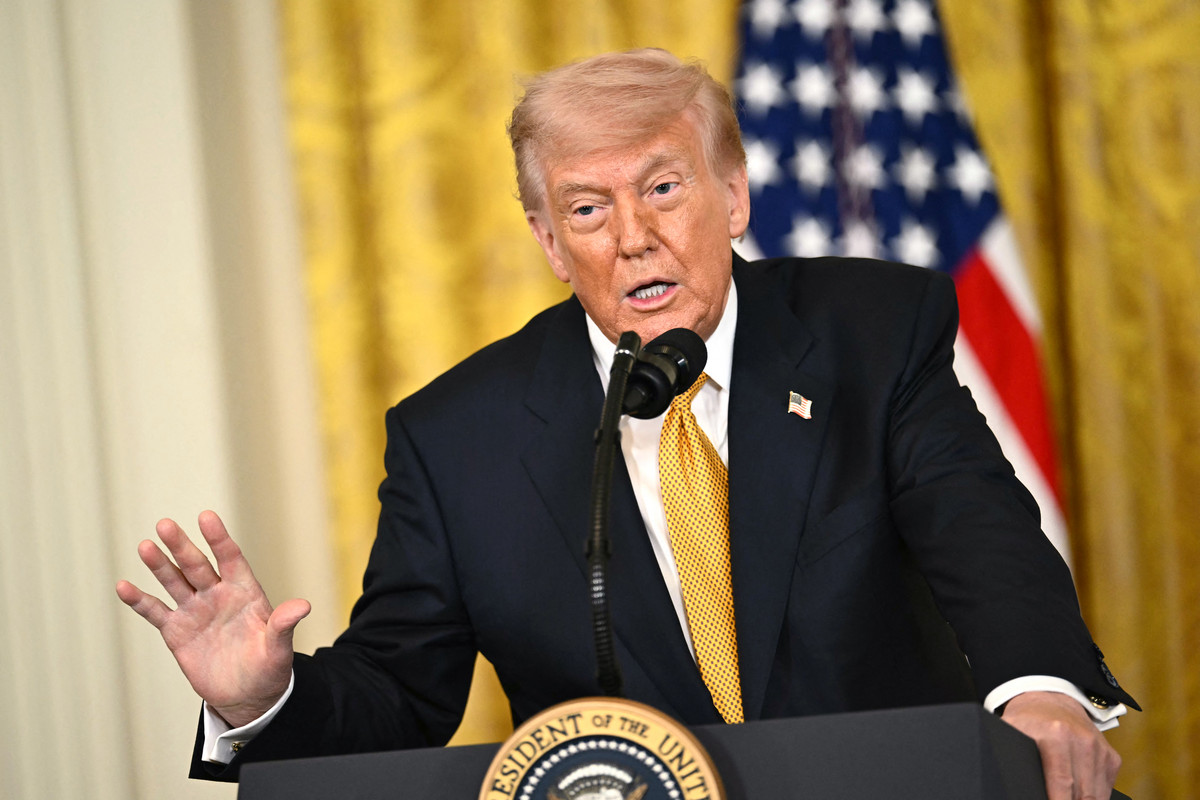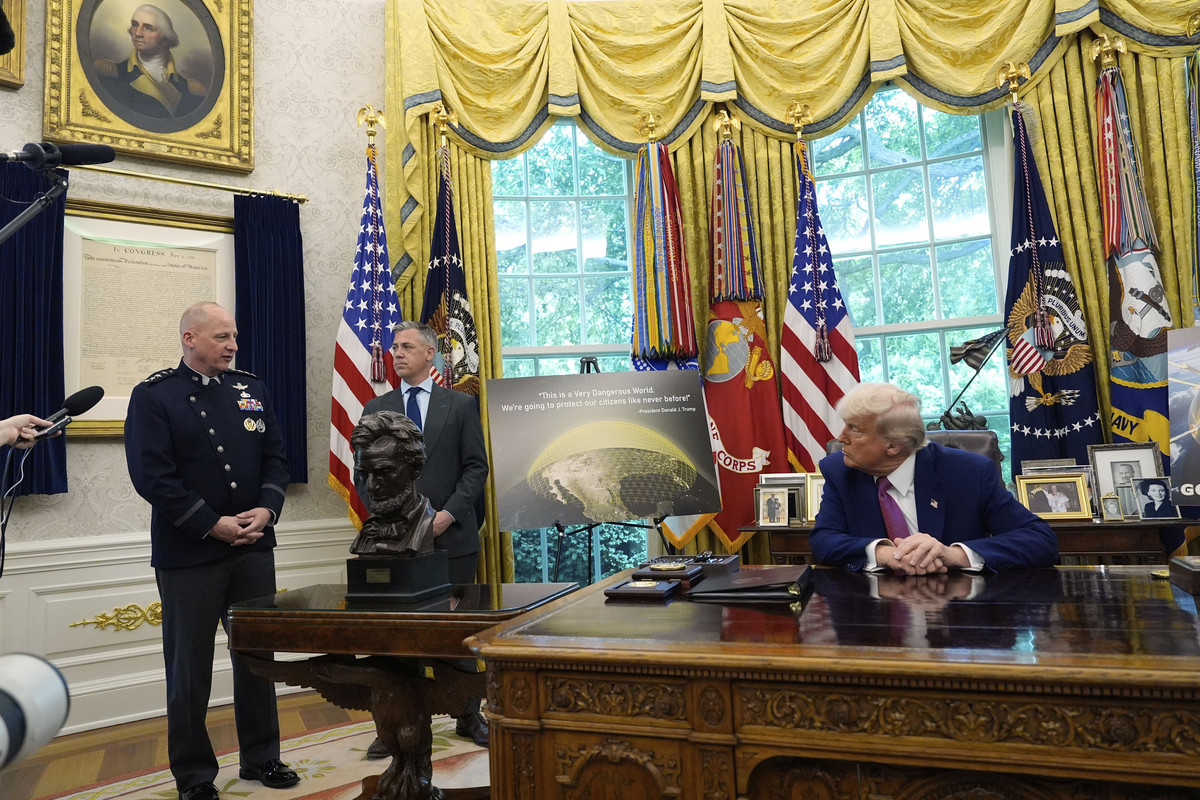
— Inside a hangar at a Navy base here, ringed by air defense systems and missile launchers, top Pentagon officials declared Thursday that President Donald Trump’s ambitious Golden Dome homeland defense initiative was on track. Gen. Mike Guetlein, the Space Force officer tapped to lead the effort, pointed to progress over the past 10 months and promised that the first critical sensor technology would be operational by 2028, a deadline that would require a cascade of engineering breakthroughs and political support to hold.
The program, which Trump has described as a signature national security priority, is meant to shield the entire United States from threats ranging from intercontinental ballistic missiles to small drones. It would stitch together existing and newly developed systems through an artificial intelligence-powered network capable of moving data in real time, an undertaking that defense officials acknowledge poses profound technical challenges. But even as Guetlein projected confidence, the initiative’s financial future appeared increasingly uncertain.
Congressional Republicans are growing reluctant to advance the partisan budget bill that the Trump administration had counted on to fund the program’s early stages. The Pentagon is seeking $17 billion through a reconciliation measure for the next fiscal year, while requesting just $400 million through the regular appropriations process. The total cost of Golden Dome could range from $185 billion to $3 trillion, according to Pentagon estimates, a staggering sum that has given even some GOP lawmakers pause.
“Is reconciliation the most efficient, effective way to spend money?” Representative Ken Calvert, a California Republican who chairs the House Appropriations defense subcommittee, said in an interview. “In my mind, no.” His skepticism reflects a broader unease among Republicans about wading into a divisive budget fight ahead of this year’s midterm elections, when control of Congress will be at stake.
The reliance on reconciliation, a procedural tool that allows budget-related bills to pass with a simple majority, has drawn criticism from former defense officials who question the administration’s strategy. One former official, granted anonymity to discuss sensitive budget matters, said it was “not great signaling by this White House about the supposedly drastic need for Golden Dome.” Without a reconciliation bill, the official added, the program would have to compete for funding against the rest of the Pentagon’s sprawling wish list in regular congressional spending bills.
Technical hurdles and tight timelines
Beyond the budget questions, the program faces steep engineering obstacles. Guetlein acknowledged Thursday that the 2028 deadline for the first sensor component was aggressive and depended on a series of favorable developments. The system’s design calls for linking disparate hardware across land, sea, space and cyberspace under a single command-and-control network, a task that has eluded previous missile defense efforts for decades.
“To the skeptics, let me say this,” Guetlein told reporters at the base, before outlining the progress his team had made. The general did not provide specific cost estimates or a detailed breakdown of how the Pentagon would close the gap between the funds requested through reconciliation and what might be available through regular channels. With Republican support for the reconciliation path eroding, the program’s fate may now rest on whether the administration can persuade a war-weary Congress to commit trillions of dollars to an unproven shield.