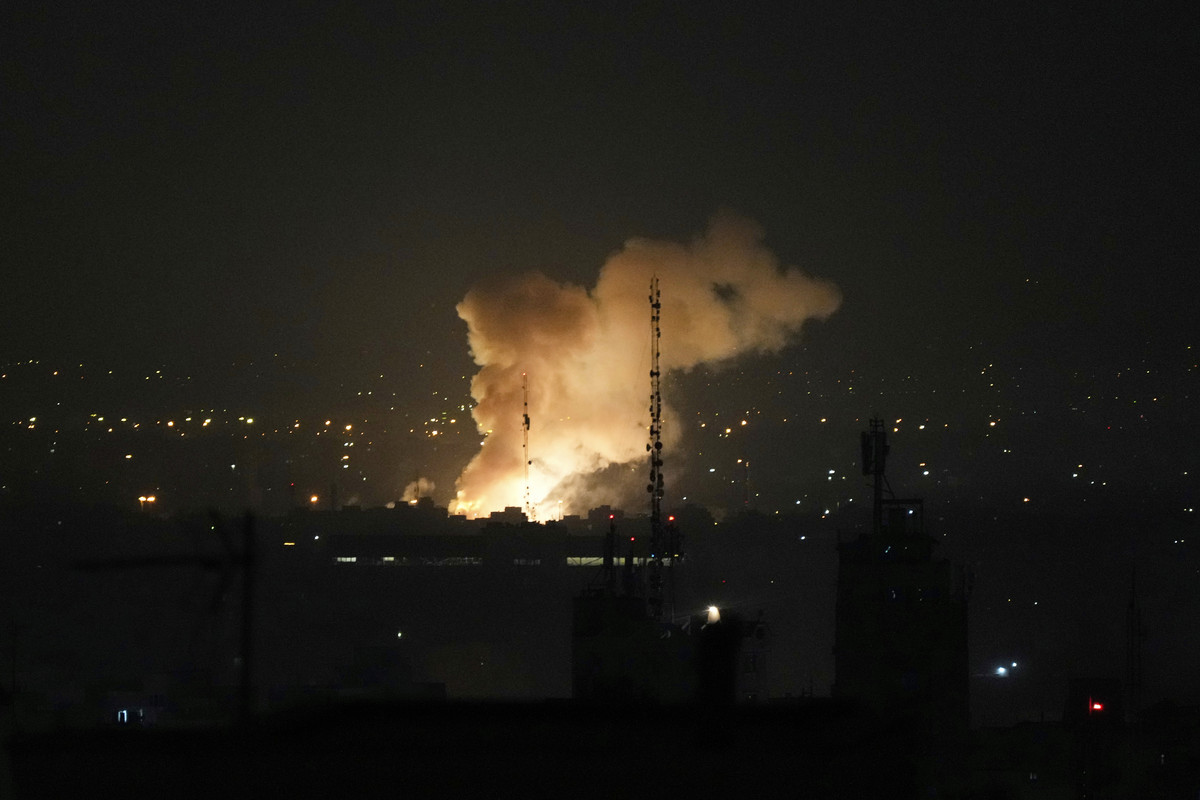
The sentiment, applied to the ongoing conflict between the United States, Israel, and Iran, is not merely an observation but a declaration of intended distance. Yet this attempt at detachment is a profound strategic miscalculation, one that threatens to unravel the transatlantic solidarity Europe still desperately needs. By framing the Iranian threat as solely an American problem, European nations are inadvertently arguing for their own future isolation.
The reality is that the dangers emanating from Tehran hit closer to home for Europe than for the United States. Islamist networks have established a deeper and more acute presence within European societies, making the ideological and security threat far more immediate. Furthermore, historical and moral obligations demand that European nations, particularly Germany, demonstrate unwavering solidarity with Israel, whose existence is directly challenged by Iranian proxies.
The Cost of Distance
Beyond being factually flawed, the European posture carries severe consequences. It signals division to a common adversary and, most critically, accelerates a potential American withdrawal of support. The American logic, though stark, is predictable: if the war in Iran is not a European matter, then the war in Ukraine is not an American one. This transactional view of alliance obligations would leave Europe to confront future aggressors, whether in Moscow or elsewhere, alone.
The geographical and psychological distance from Washington to Kyiv is far greater than from Berlin or Paris to Tehran. By dismissing American-led actions in the Middle East, Europe undermines the very principle of mutual defense that secures its own eastern flank. The current ambivalence teaches Washington that European solidarity is a one-way street.
Some European reluctance may stem from a lack of consultation or from deep-seated animosity toward figures like former President Donald Trump. However, allowing political distaste to override cold strategic interest is a luxury Europe cannot afford. Celebrating American setbacks, even subtly, is a form of self-sabotage when U.S. military power remains the ultimate guarantor of European security.
Regardless of the ultimate objectives pursued by Washington and Jerusalem in Iran, the present moment demands unity. America is once again engaging a threat that directly menaces European stability. In such a critical juncture, the minimum requirement is to stand together, not to undermine a partner from the sidelines. To do otherwise is not to stay out of a war, but to start a far more dangerous one: a war for a future without reliable allies.