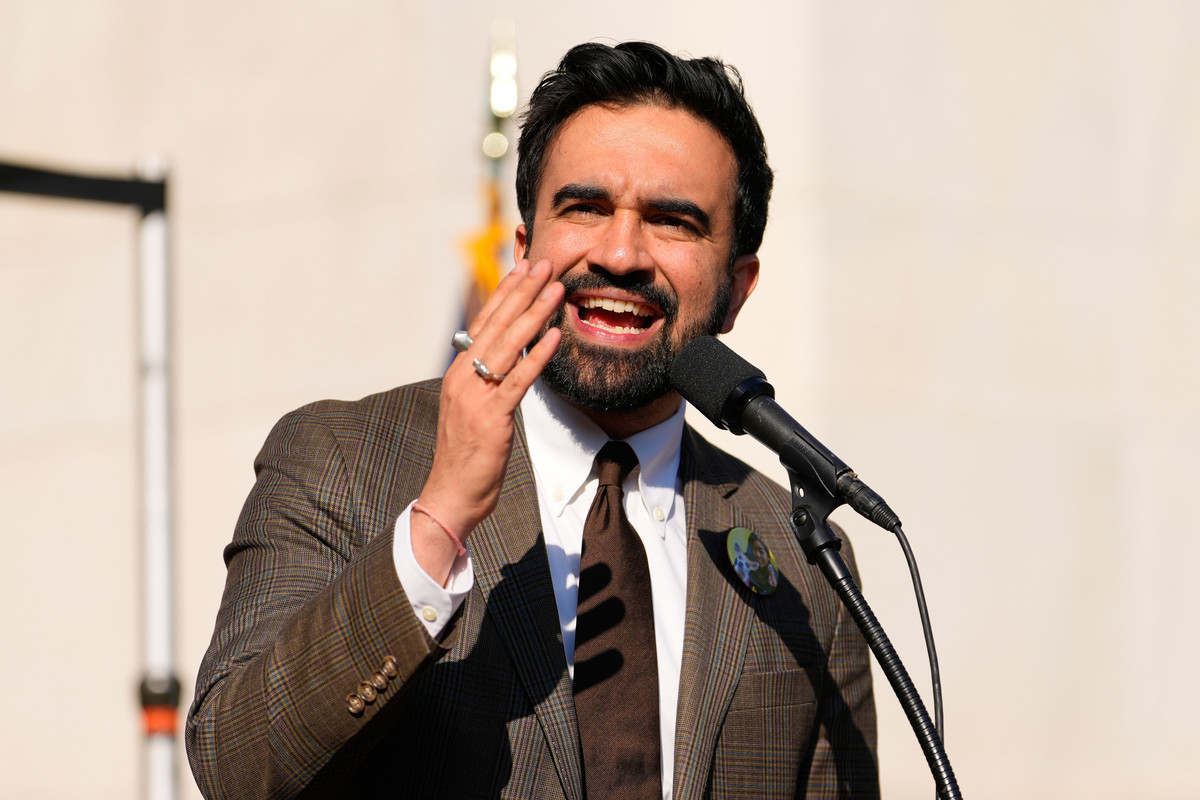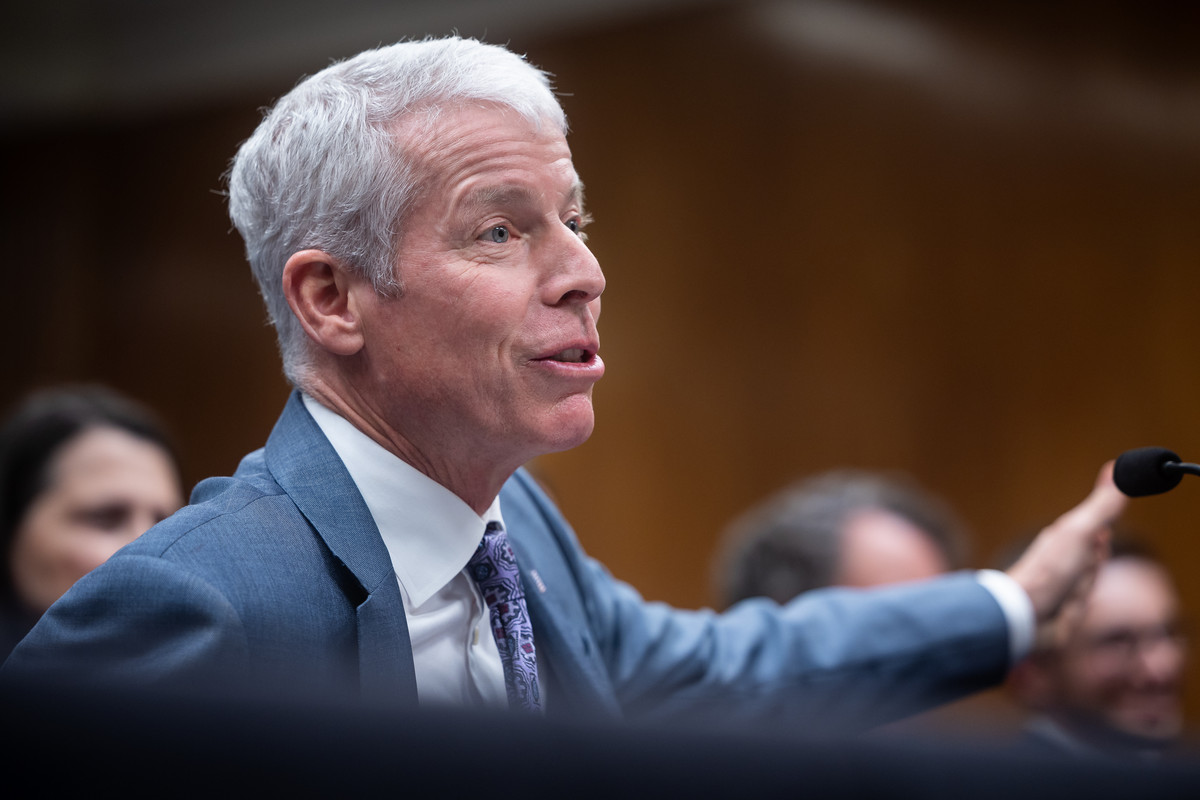
“Never, never said such a thing,” Wright told lawmakers on Wednesday, attempting to recalibrate a forecast that had drawn a direct contradiction from the White House.
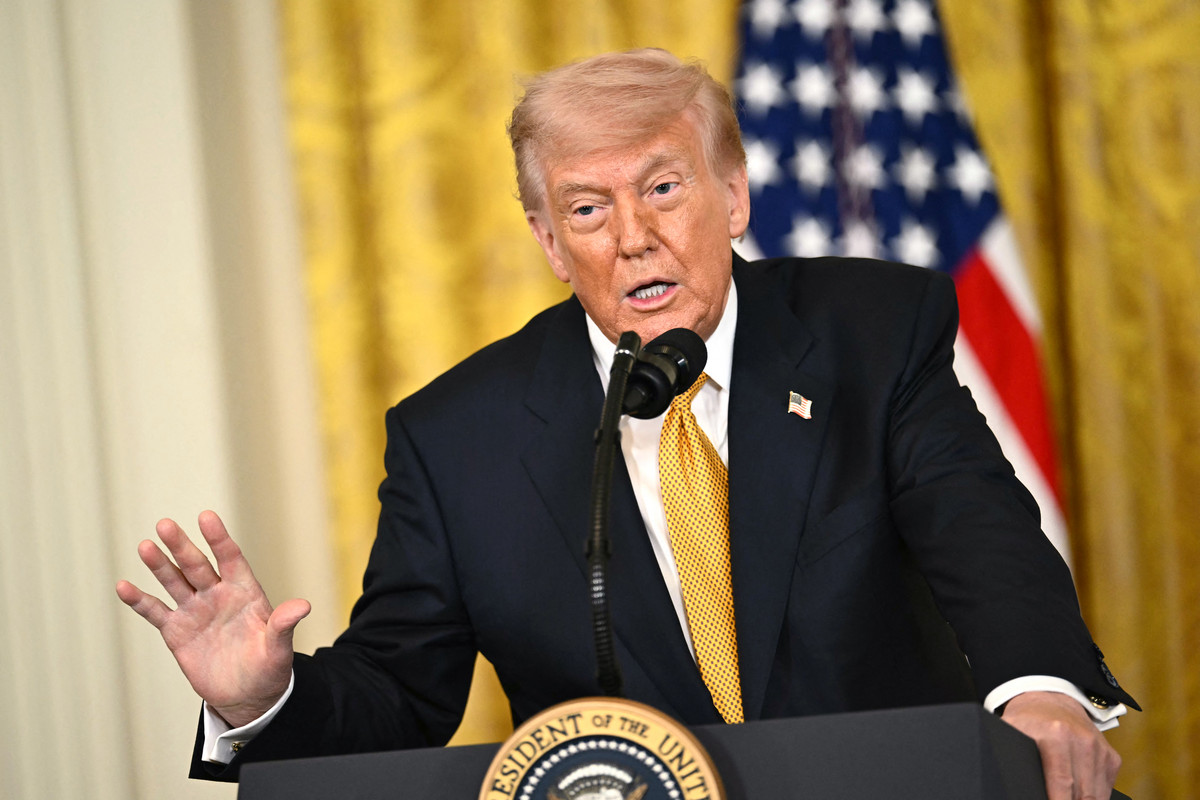
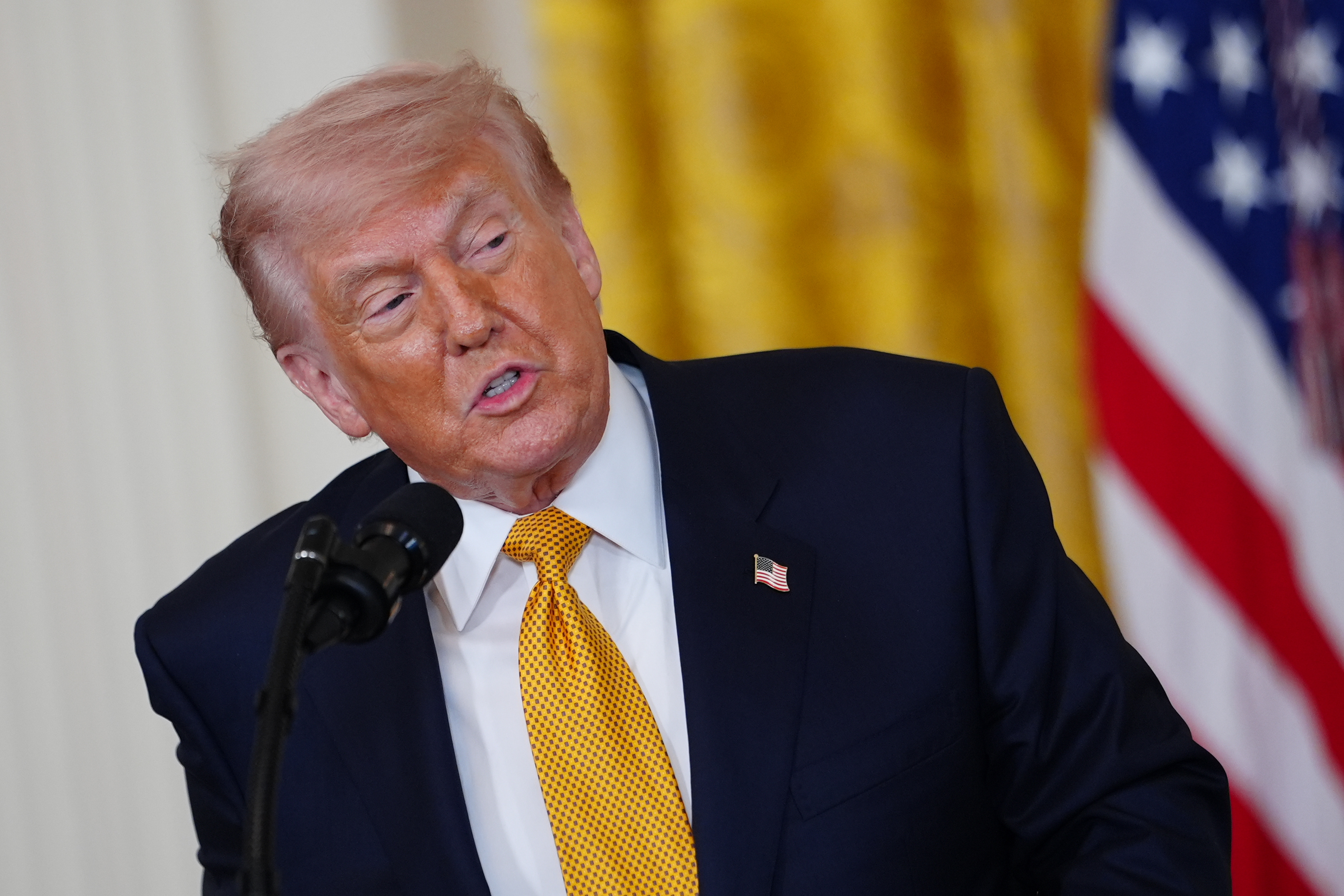
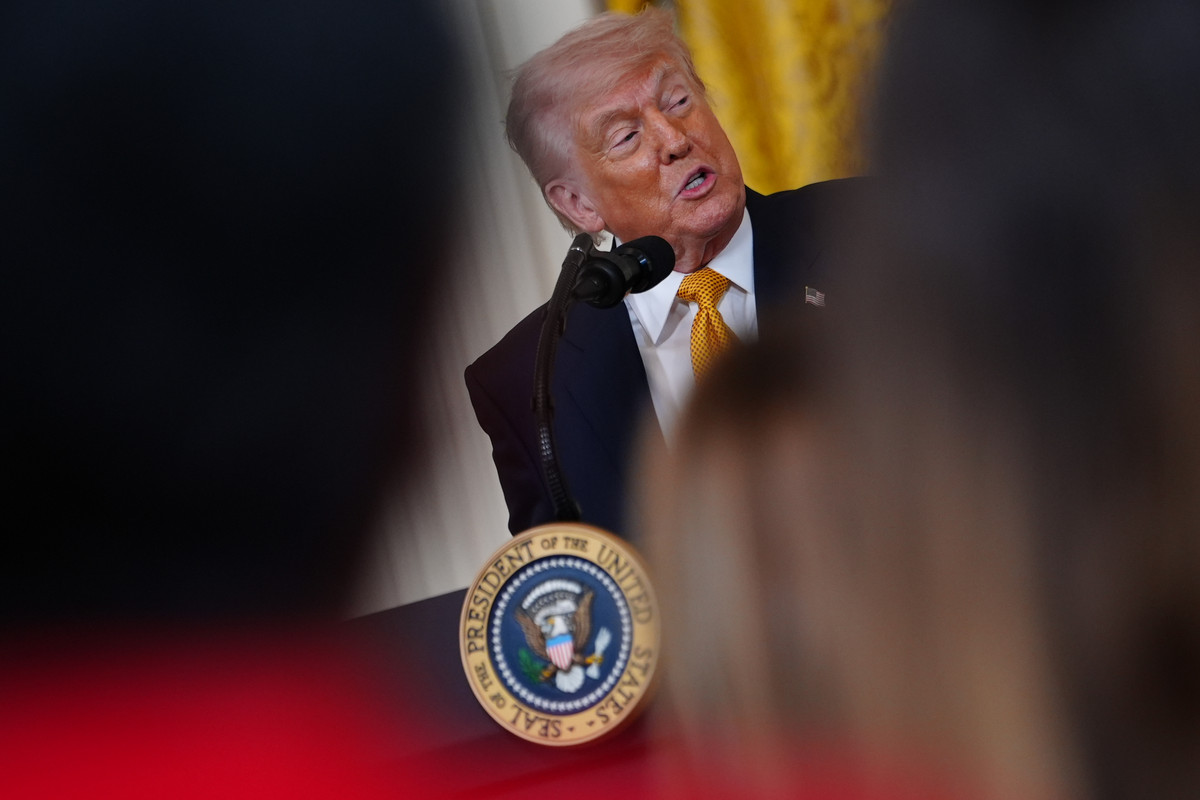
The secretary’s effort to clarify his position came days after he suggested in a television interview that prices at the pump might not dip below $3 per gallon until 2027. He had attributed recent price surges to the ongoing U.S. and Israeli military involvement in Iran, though he believed the peak had passed. That timeline was swiftly rejected by President Donald Trump, who labeled the prediction “totally wrong” in a separate interview.
Pressed by Senator Chris Coons during an Appropriations subcommittee hearing, Wright acknowledged he had “left some uncertainty” in his initial remarks. He framed his weekend comments as speculative, telling the panel, “I didn’t know when,” while expressing a shared desire for lower costs for American drivers.
The exchange was part of a series of contentious hearings over the past two weeks where Wright faced intense questioning from lawmakers on energy prices and foreign policy. The secretary appeared before a second Senate committee later on Wednesday, where he continued to soften his earlier projection.
A Political Liability
Wright’s retreat highlights the political sensitivity of gasoline prices, a key economic indicator for voters. In his later testimony to the Senate Energy Committee, he declined to offer any firm forecast, stating, “I don’t know the future of energy prices.”
Instead, he sought to contrast the current situation with the previous administration, pointing out that current pump prices remain lower than they were during the Biden presidency. This rhetorical shift served to align his testimony more closely with the political messaging of the Trump White House.
The public disagreement between a cabinet secretary and the president is a rare breach of unified executive branch communication. It places Wright in a difficult position, forced to balance technical agency analysis against the political imperatives of his boss.
The episode leaves consumers with conflicting signals from the highest levels of government about when relief from high energy costs might arrive, as global market instability continues due to conflict in the Middle East.