Missing from the guest list were the usual spoilers: the United States, Saudi Arabia, Russia and other major emitters that have spent decades slowing the United Nations-led talks on global warming. That was by design.
The summit, which opened Friday in this colonial city on Colombia’s Caribbean coast, represents a breakaway effort to accelerate climate action after years of plodding progress under the annual U.N. climate conferences known as COPs. Organizers say the gathering is for countries committed to moving away from oil, gas and coal, not for those that deny climate science or seek to delay a transition to clean energy.
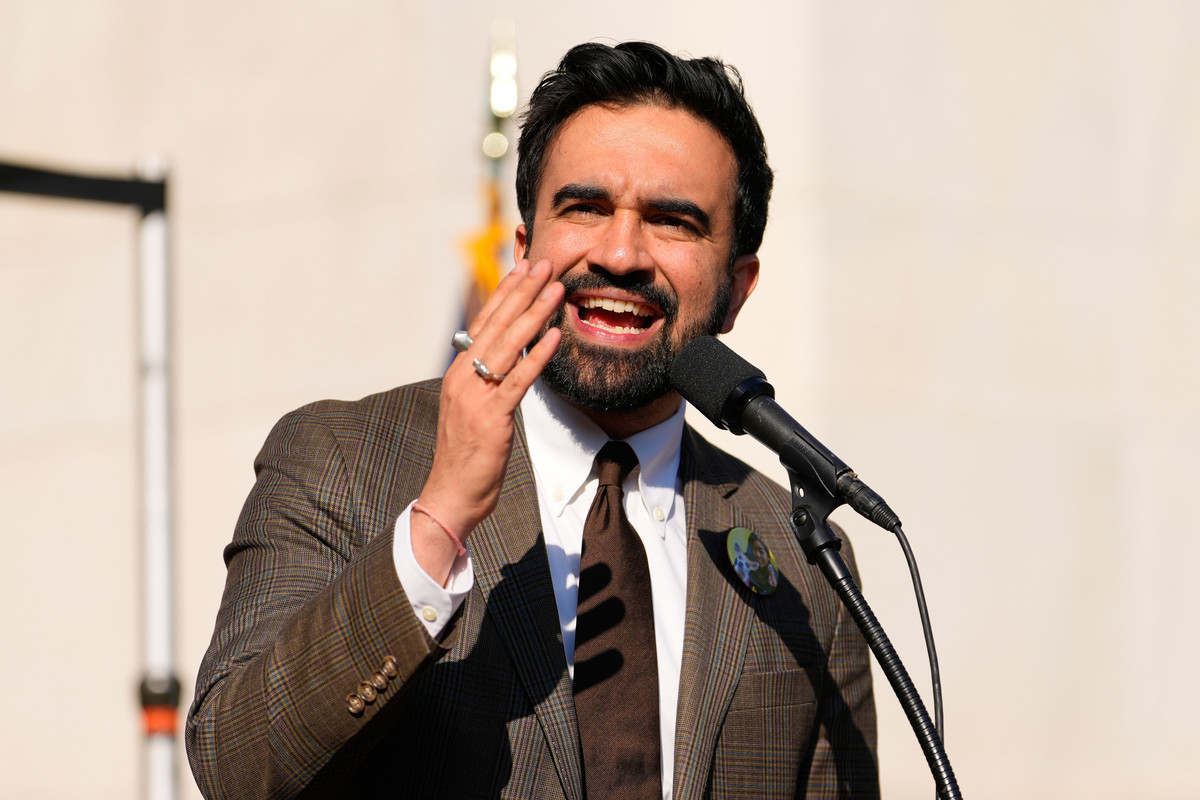
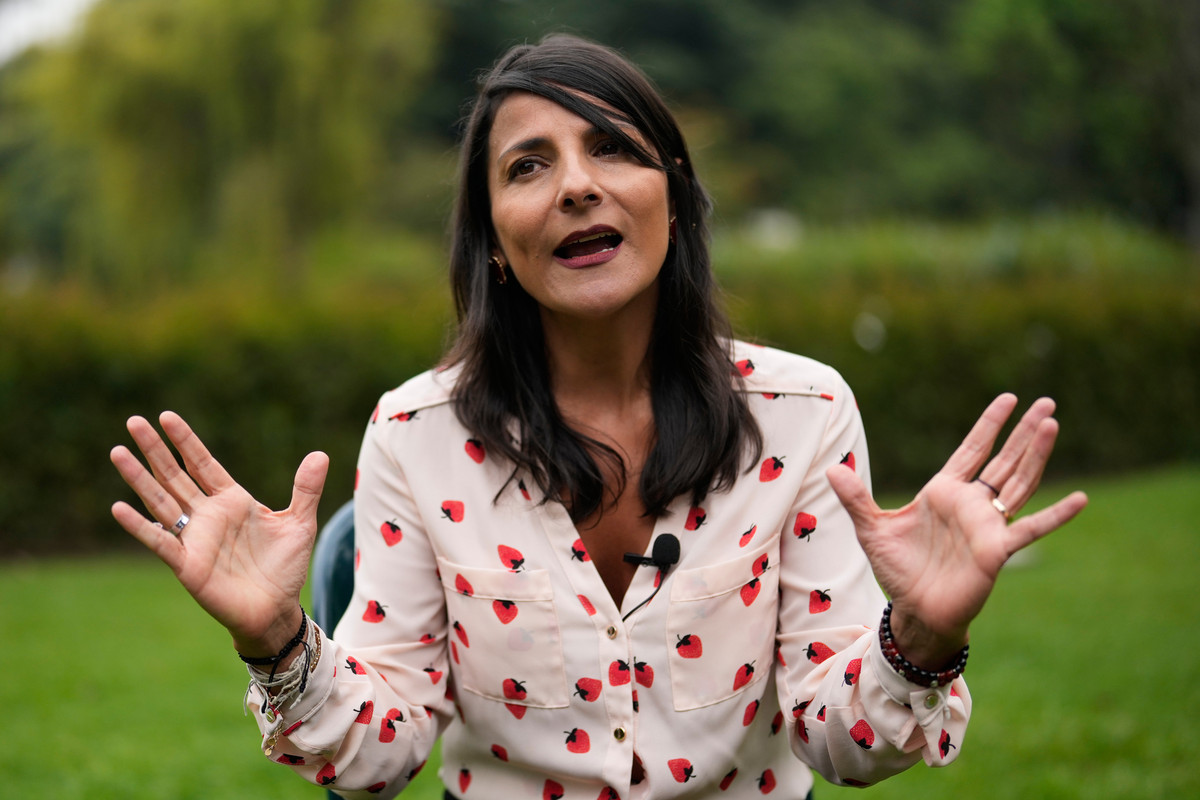
Colombia’s environment minister, Irene Vélez Torres, who is co-hosting the conference with the Netherlands, said the meeting grew out of a shared frustration with the pace of U.N. negotiations. “After 30 COPs and so little implementation in terms of phasing out fossil fuels, the conclusion is clear: It has been insufficient,” she said in an interview. “This kind of conference is a new multilateralism. It’s inspiring new pathways and new cooperation.”
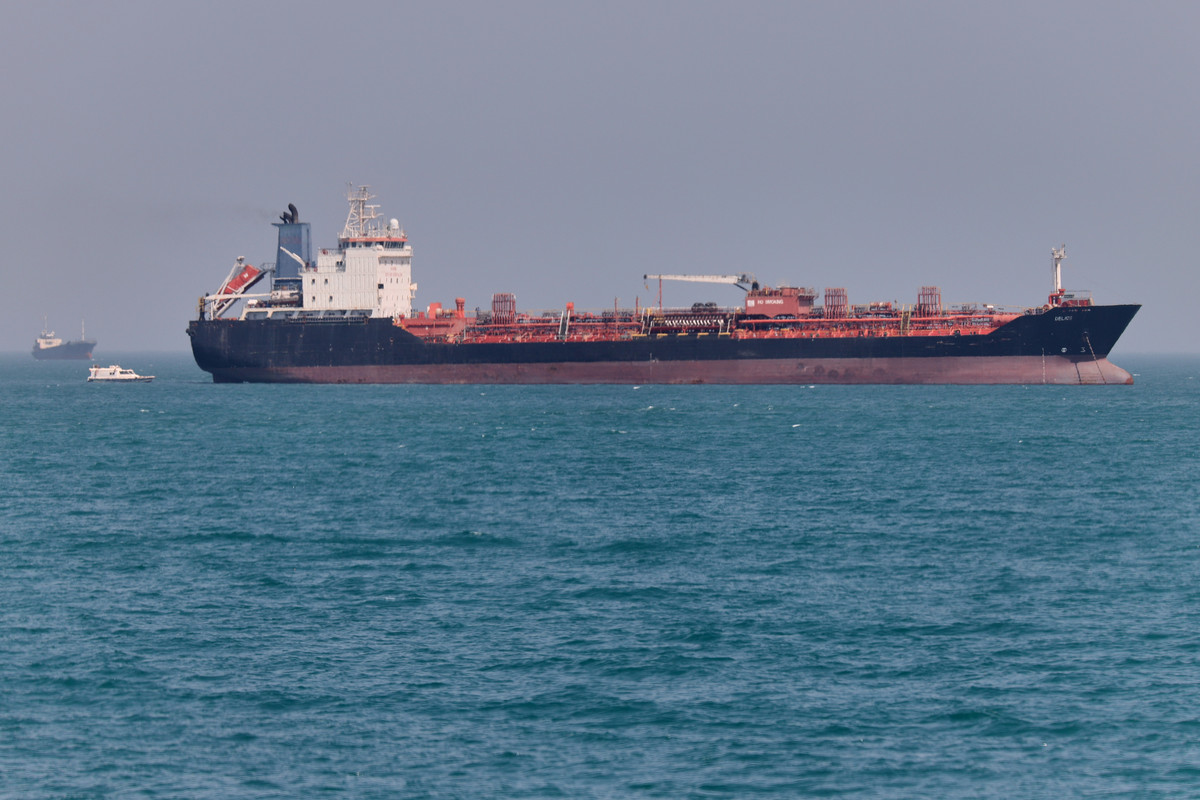
The conference comes at a moment of acute energy anxiety. The war in Iran has roiled global oil markets, sending prices soaring and exposing the vulnerabilities of import-dependent nations like the Philippines and Pakistan, both of which are attending the summit. The gathering also includes fossil fuel producers such as Canada and Nigeria, as well as major economies like the European Union, the United Kingdom and Brazil.
A deliberate exclusion
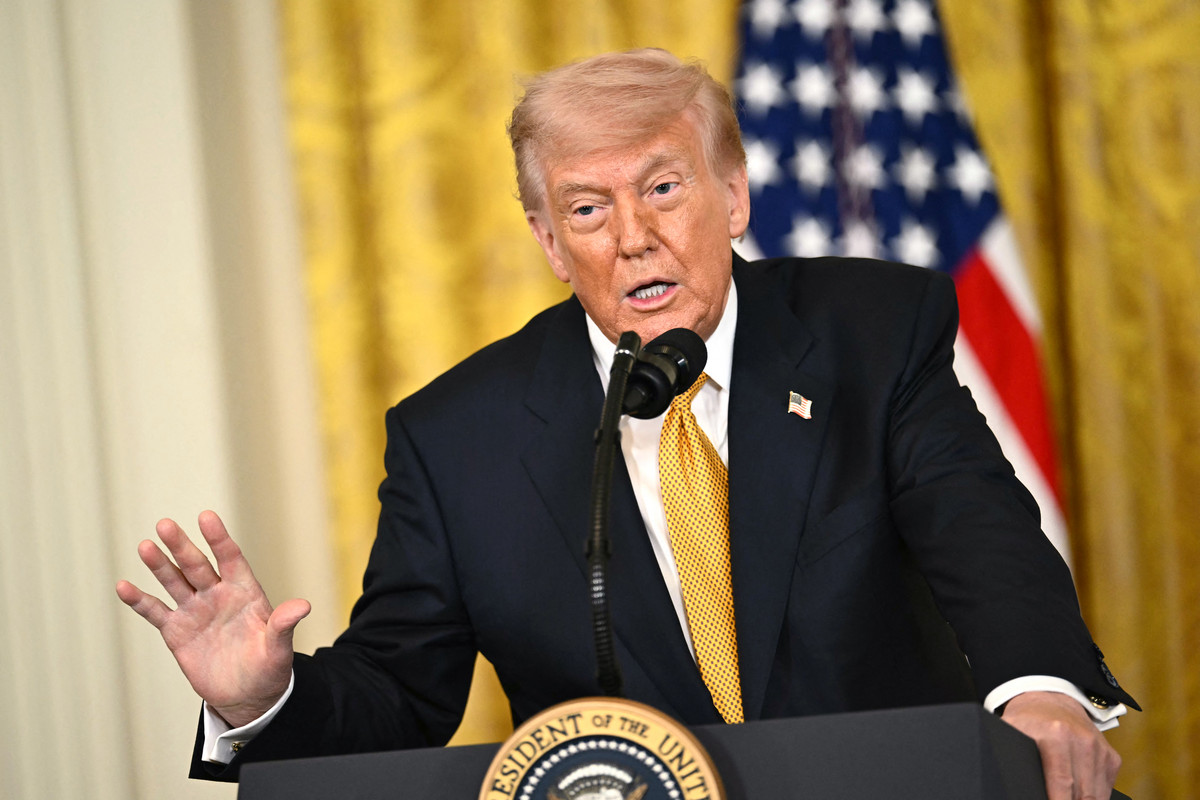
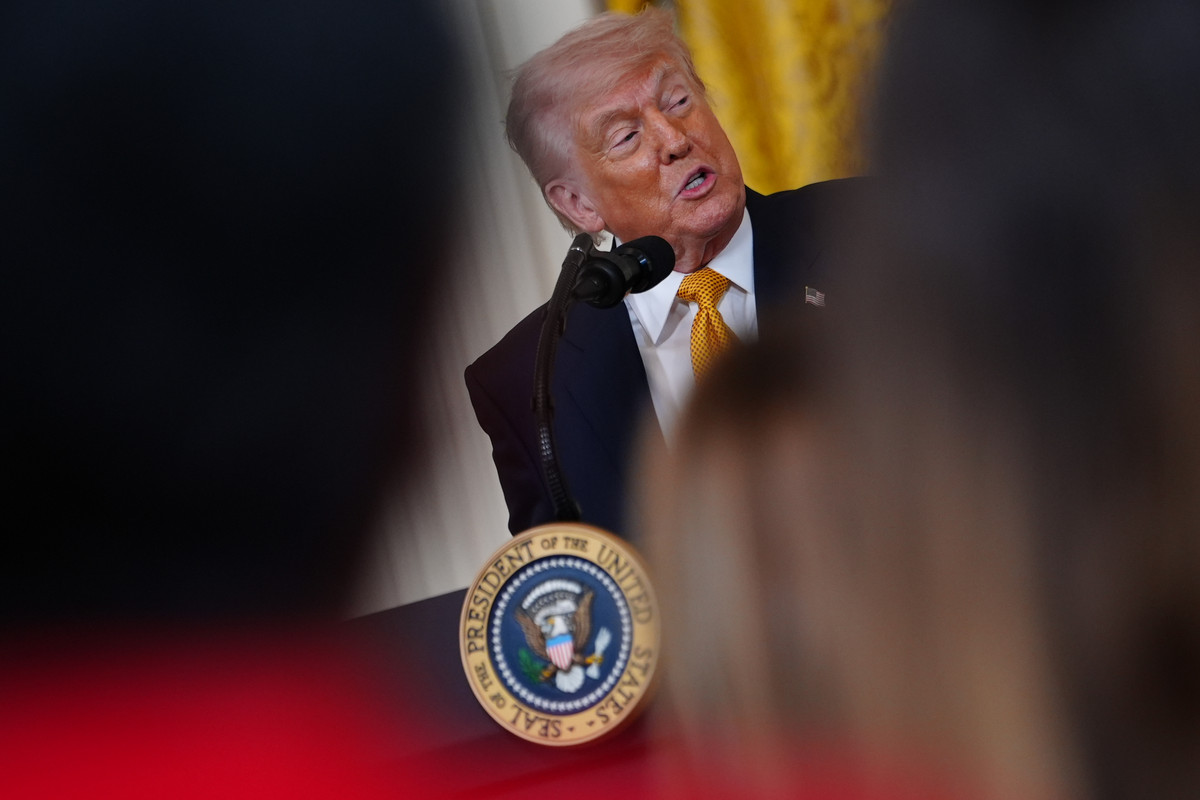
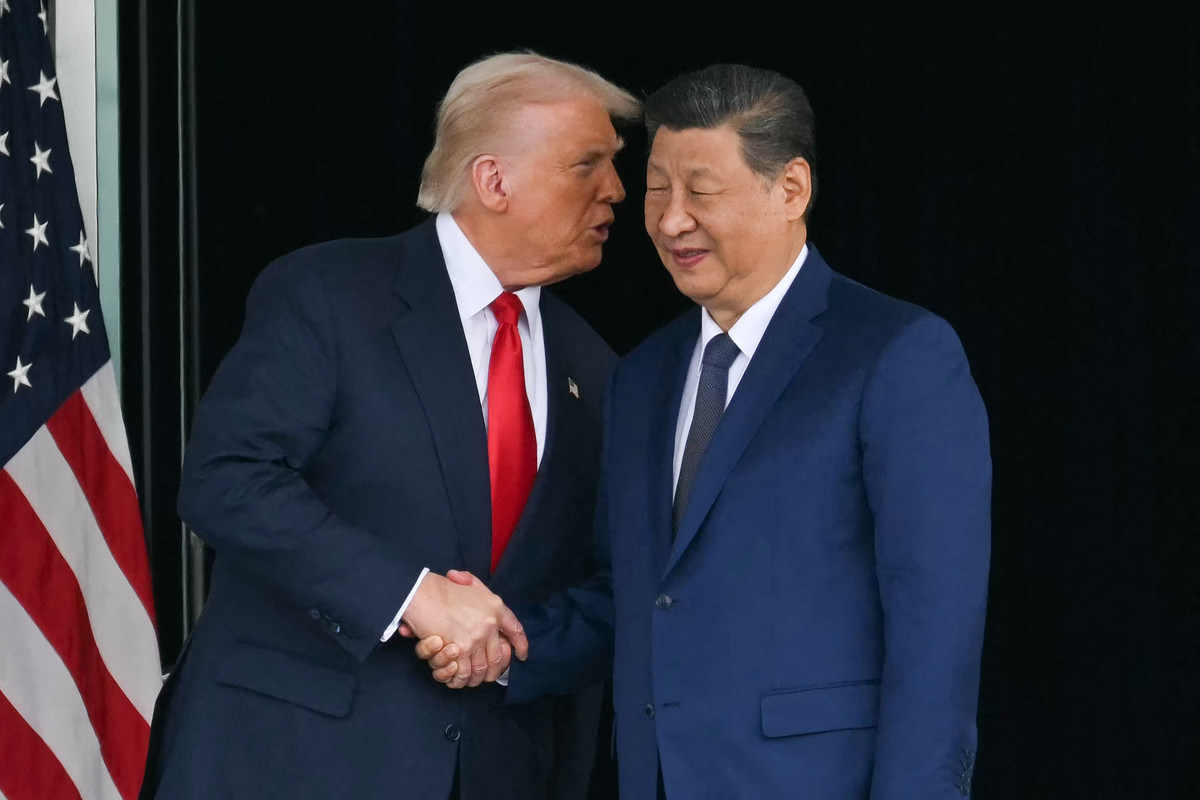
Organizers made a conscious choice to leave out countries that have historically blocked climate action. The United States, which under President Donald Trump has embraced an “energy dominance” agenda and expanded domestic drilling, was not invited. “We are not unhappy because the U.S. is not here,” Vélez said. “We knew that they weren’t going to be here. We didn’t want to have anyone boycotting our conversations.”
The summit follows the collapse of efforts at the COP30 talks last year in Brazil, where nations failed to reaffirm a global pledge to transition away from oil, gas and coal. That breakdown, combined with three decades of slow-moving U.N. talks, has fueled calls for coalitions of willing countries to move forward on their own, even if it means leaving others behind.
Wopke Hoekstra, the European Union’s climate commissioner, said the initiative reflects a growing recognition that the COP process has become too vulnerable to obstruction. “It is hugely important that the Colombians and the Dutch and others have set this up, because we all see how wrecked the COP process is, how vulnerable it is to naysayers and those who want to derail it,” he said. “What unites this group is the need to find an alternative. And if anything, world events of the last six weeks have proven them right.”
The conference in Santa Marta is expected to produce a joint declaration outlining concrete steps for phasing out fossil fuels, though no binding targets have been announced. For the countries gathered here, the summit represents a test of whether smaller, more focused coalitions can succeed where the global consensus has failed.