In a stark assessment, John Bolton warned that the U.S. strike which eliminated Iran’s supreme leader has created a perilous power vacuum. While praising the action’s boldness, Bolton suggested the administration may have acted impulsively, lacking appreciation for the complex and bloody aftermath now unfolding. The region, he cautioned, is being plunged into turmoil.
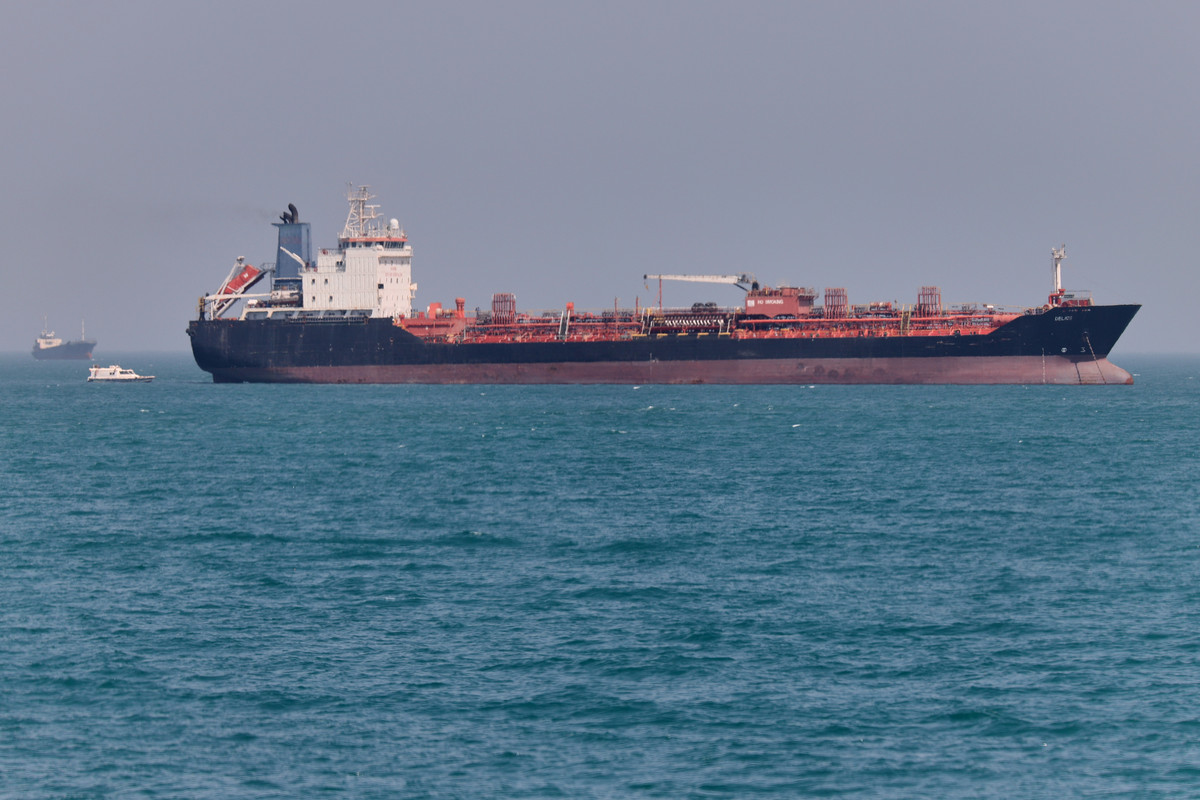
One immediate danger is chaos in the Strait of Hormuz, a vital maritime chokepoint. Iran has long threatened to shut down the strait, which carries roughly twenty percent of the world’s daily oil supply. Such a move would trigger a global economic shock, a potential consequence Bolton implies the White House may not have fully weighed.
A Shifting Calculus for Allies and Adversaries
Despite President Trump’s past rhetoric about seizing oil from adversarial nations, Bolton believes that is now a lesser concern. The priority for U.S. allies in the Gulf, who long viewed Iran as an existential threat, will be stabilizing the region. They are likely more focused on ensuring the flow of Iranian oil resumes under a new, less hostile regime than on market competition.
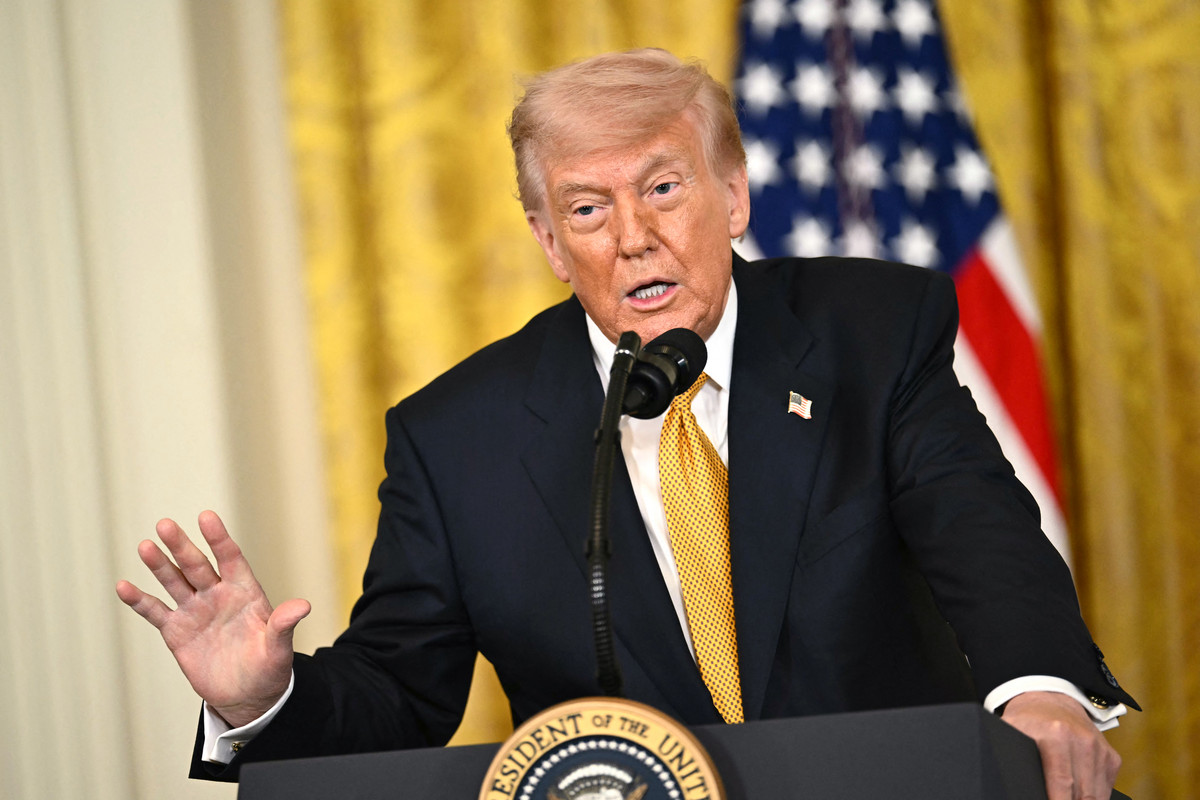
The central uncertainty, Bolton stresses, is the president’s own consistency. He noted Trump’s capacity to swing wildly on a single issue within hours, having moved from his first-term posture to full embrace of regime change. This volatility makes any long-term U.S. strategy for Iran’s future difficult to predict or rely upon.
For American voters, Bolton said, the ultimate political impact remains unclear. They may credit Trump for a decisive blow against a longtime adversary, or they may see the escalating conflict as a foreign policy distraction that compromises his ability to address domestic concerns. The full consequences, including the risk of increased bloodshed, are still unknown.
The warning from such a prominent former insider underscores a fundamental tension in this crisis. A single, dramatic military action has achieved a significant objective, but it has also unleashed forces that may prove far more difficult for the United States to manage, with a commander-in-chief known for his improvisational approach.