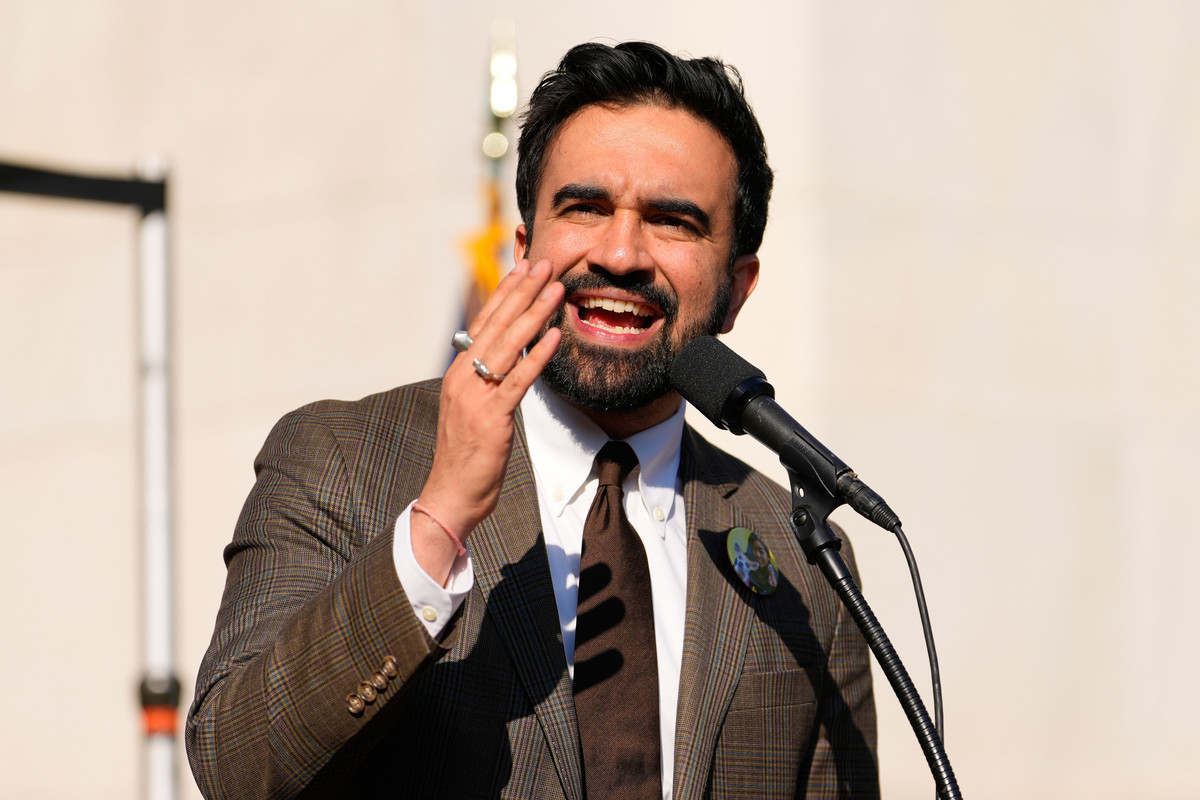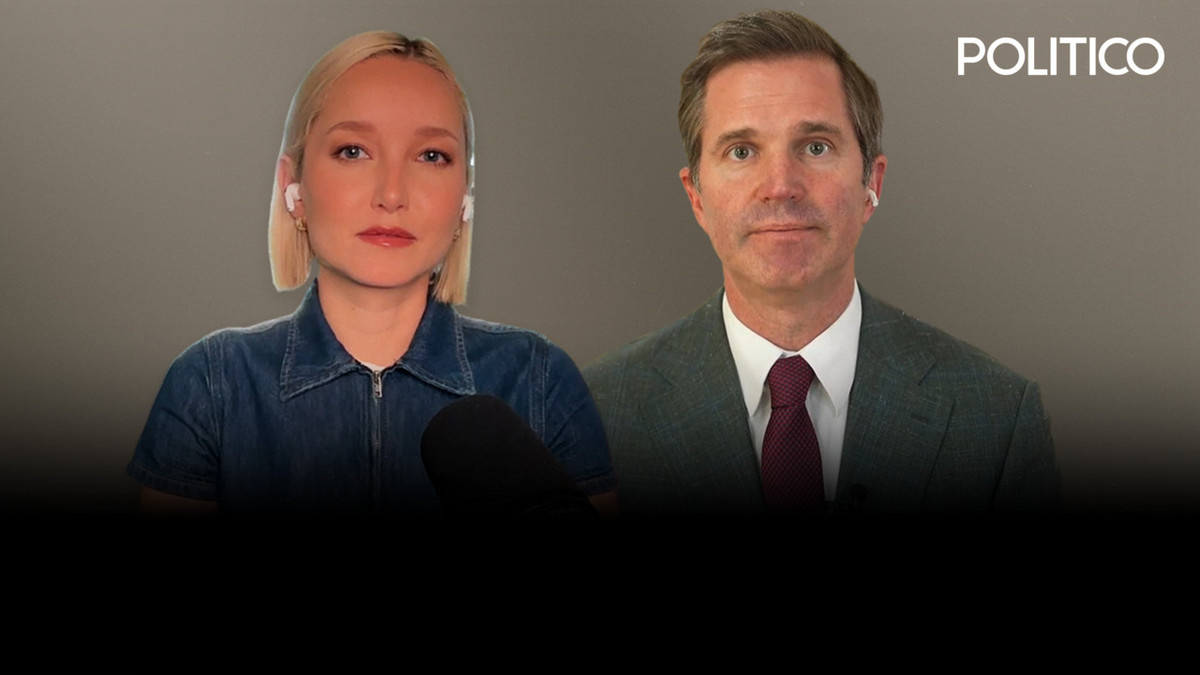
The popular Democratic governor, who has twice won election in a state former President Donald Trump carried by a landslide, believes the path forward lies not in reciting platforms but in revealing personal conviction.
Beshear, who chairs the Democratic Governors Association, is pointedly avoiding the internal finger-pointing consuming some party circles after recent electoral setbacks. His focus, he says, is squarely on the current administration and what he views as its dangers, particularly embodied by Vice President JD Vance. He describes Vance as potentially "more damaging than Trump," a stark assessment from a politician known for a pragmatic and often conciliatory tone.
The governor's criticism is rooted in policy impacts he sees in his own state. He cites the potential closure of 35 rural hospitals in Kentucky due to administration-backed legislation, a move he says would trigger a cascade of local economic collapse. He also points to tariff policies he argues have harmed soybean farmers. For Beshear, these are not mere political disagreements but evidence of a governing philosophy that "looks down on rural America."
This perception is personal for Beshear, who references Vance's memoir, "Hillbilly Elegy." The governor asserts the book blamed Kentuckians for poverty and the opioid crisis, framing them as lazy. "This is a guy that thinks he is better than everyone else," Beshear said, "but his policies are certainly the worst we’ve seen."
A Prescription for the Party
While his condemnation of Vance is sharp, Beshear's advice for his own party is introspective. He argues Democrats must transcend transactional policy talk. "Don’t just talk about your policy points. Talk about your why," he advises. Voters, he contends, want to understand what drives a person to enter the toxic arena of modern politics in the first place.
This approach appears central to his own political identity in a conservative state. Beshear has maintained high approval ratings by emphasizing non-partisan disaster response and economic development, while still staking out traditional Democratic positions on issues like healthcare access. His success suggests a model of focusing on tangible results and personal connection over ideological purity.
Despite being touted as a potential future presidential candidate, Beshear deflects questions about 2028. His stated mission is to help "change the map" by electing more Democratic governors nationwide. That project, in his view, requires candidates who can articulate a compelling personal mission to voters feeling disconnected from political elites.
As Democrats chart their course for the coming election cycles, figures like Andy Beshear offer a distinct blueprint. It combines a fierce, values-based opposition to Republican policies with a deliberate, empathetic style of communication aimed at bridging the urban-rural divide that has long plagued the party's national ambitions.