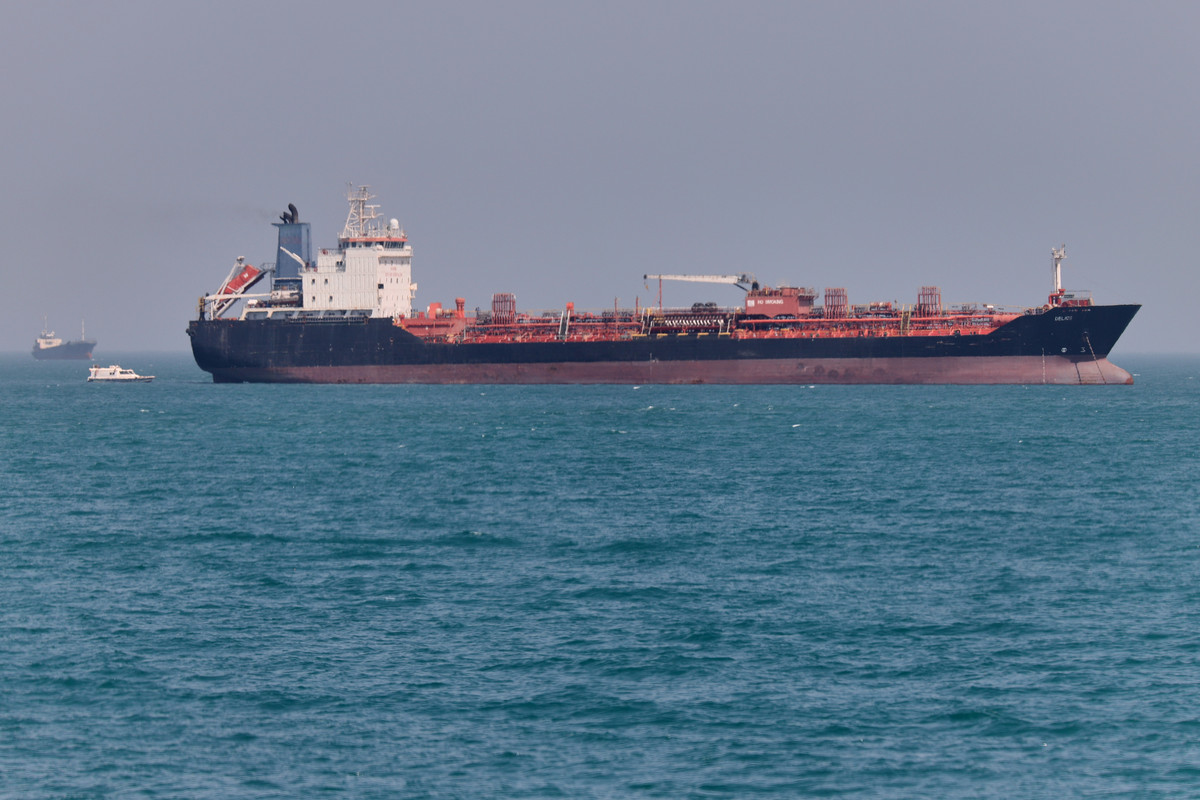
This palpable movement toward a possible armed conflict with Iran has unfolded with a striking absence: a coherent, sustained explanation from the President of the United States about why such a grave step may be necessary. The administration has offered a shifting array of justifications, from forcing a new nuclear deal to seeking the end of the Iranian regime itself. This stands in stark contrast to the deliberate, if sometimes fraught, efforts of presidents throughout modern history to brace the nation for the ultimate sacrifice. The distinction is not merely academic; it goes to the heart of democratic accountability and the public trust required to sustain a nation at war.
For Franklin D. Roosevelt, the monumental challenge was to steer a deeply isolationist public toward the existential threat posed by Nazi Germany. He proceeded with immense political caution, incrementally preparing the country while publicly wrestling with its aversion to foreign entanglements. He secured the first peacetime draft in 1940 and, with his Lend-Lease program, framed aid to a besieged Britain as the commonsense act of lending a garden hose to a neighbor whose house was on fire.
Simultaneously, Roosevelt made repeated, emphatic promises that American boys would not be sent into foreign wars, a necessary political balancing act that ultimately collapsed only with the attack on Pearl Harbor. His approach was one of preparing for war while publicly highlighting his reluctance to enter one, a strategy that maintained public confidence and positioned him to lead a unified nation when war finally came.
A Question of Mandate
Later presidents, even in pursuing controversial and divisive conflicts, understood the imperative to build a public case. Lyndon B. Johnson, facing the complex escalation in Vietnam, leveraged a murky naval incident in the Gulf of Tonkin to secure a sweeping congressional authorization for the use of military force. He then embarked on a cross-country campaign to justify the growing commitment, arguing that the fall of Southeast Asia would lead to wider conflict, a domino theory he believed the public would accept.
In the post-9/11 era, George W. Bush engaged in a months-long, global diplomatic and public relations campaign to make the case for confronting Saddam Hussein, centering his argument on the threat of weapons of mass destruction. The intelligence was catastrophically flawed, but the effort to establish a public rationale, however misguided, was undeniable.
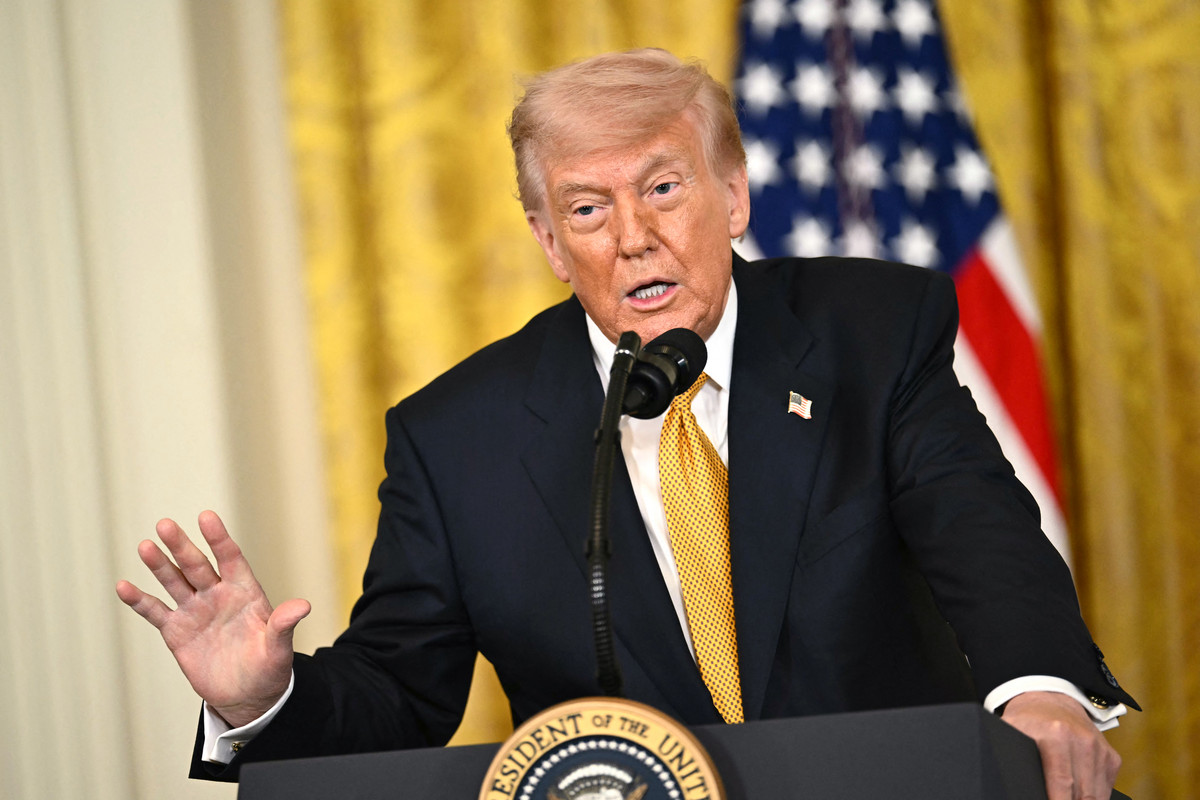
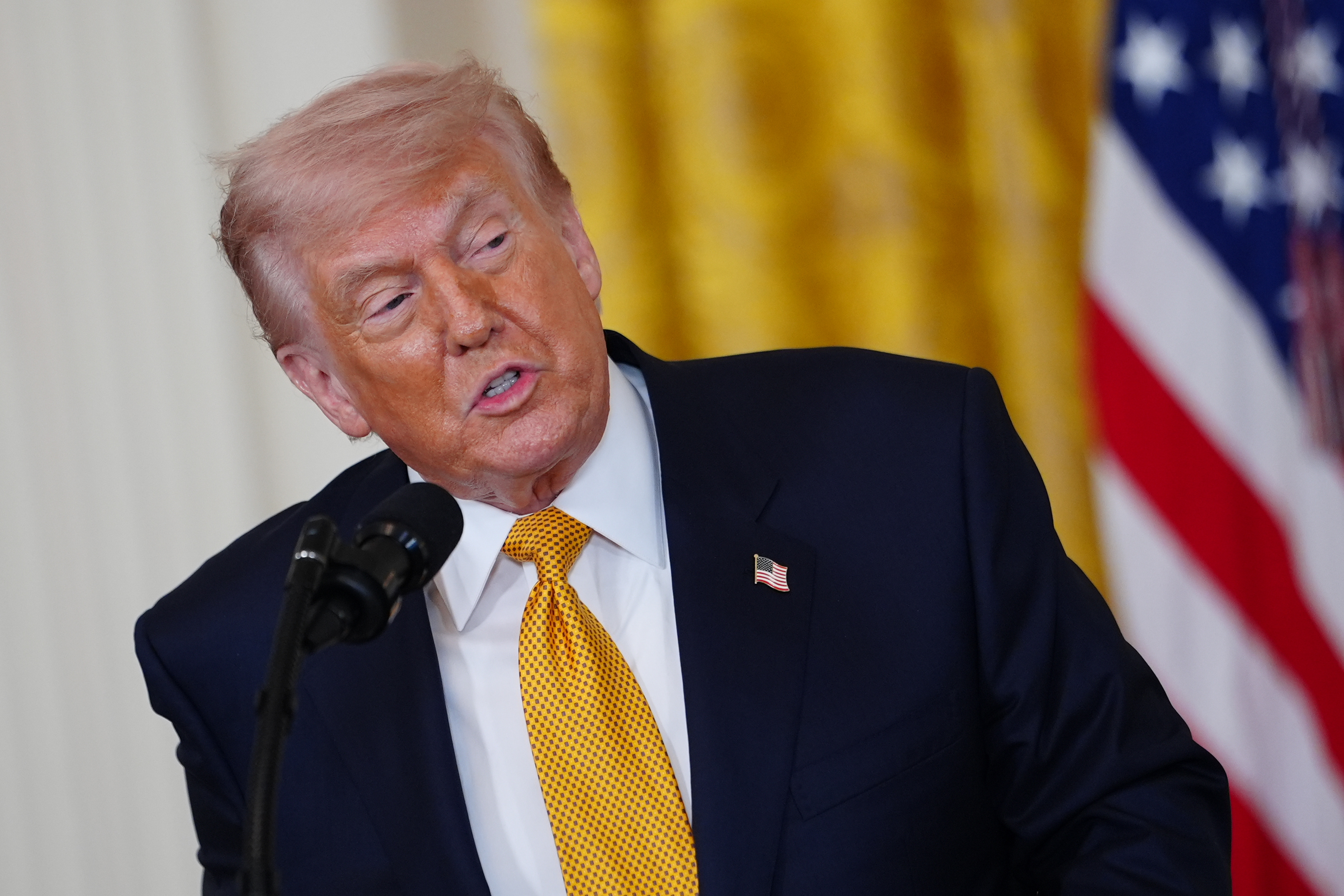
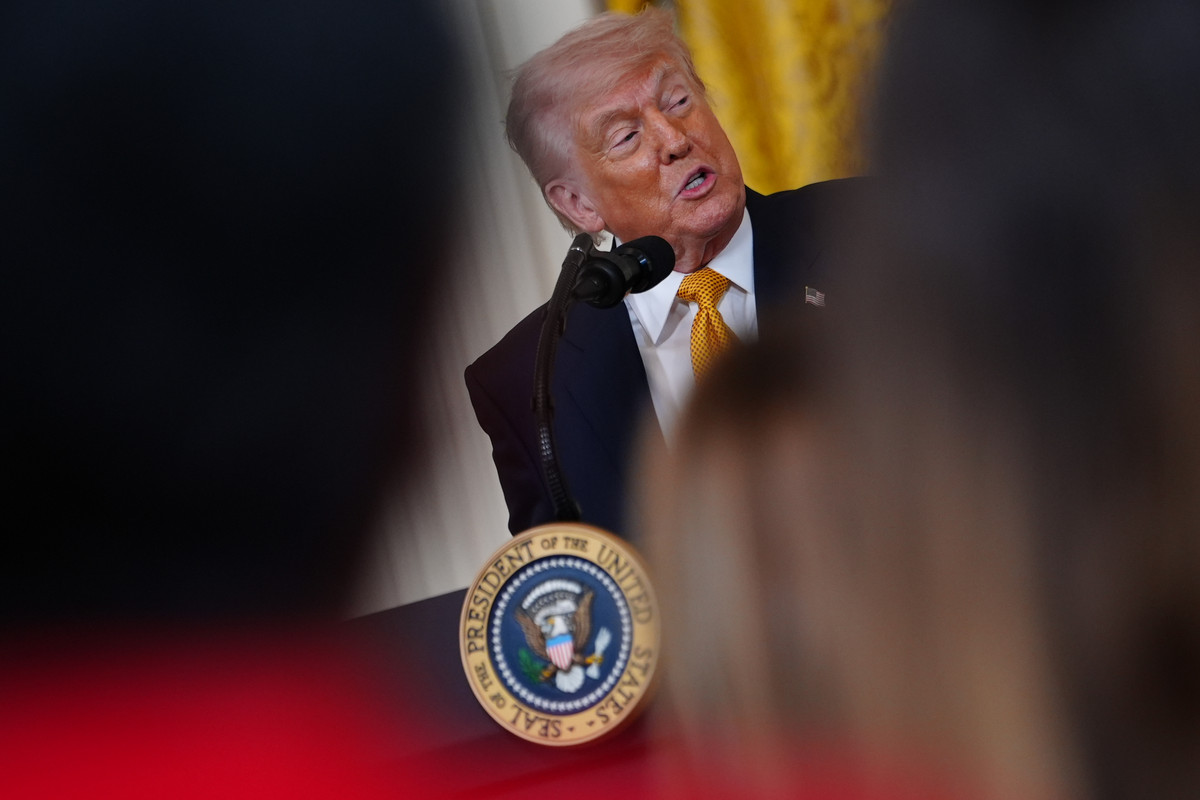
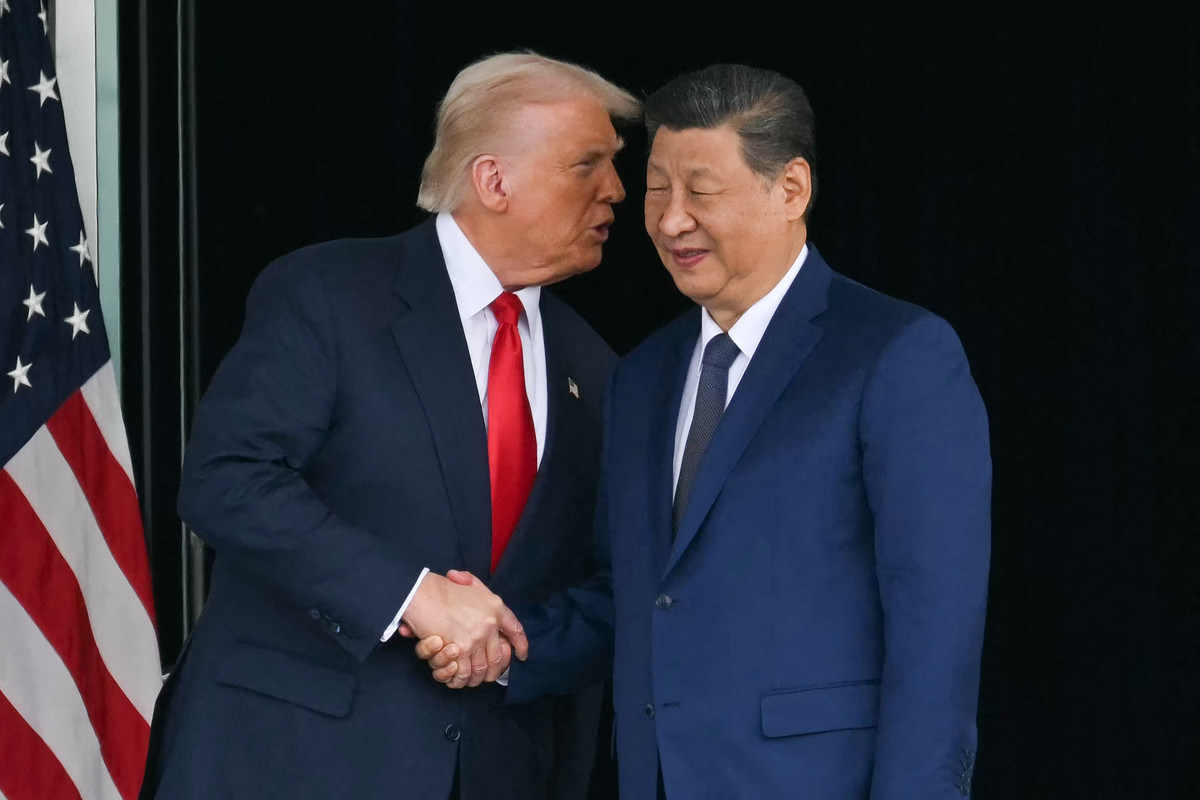
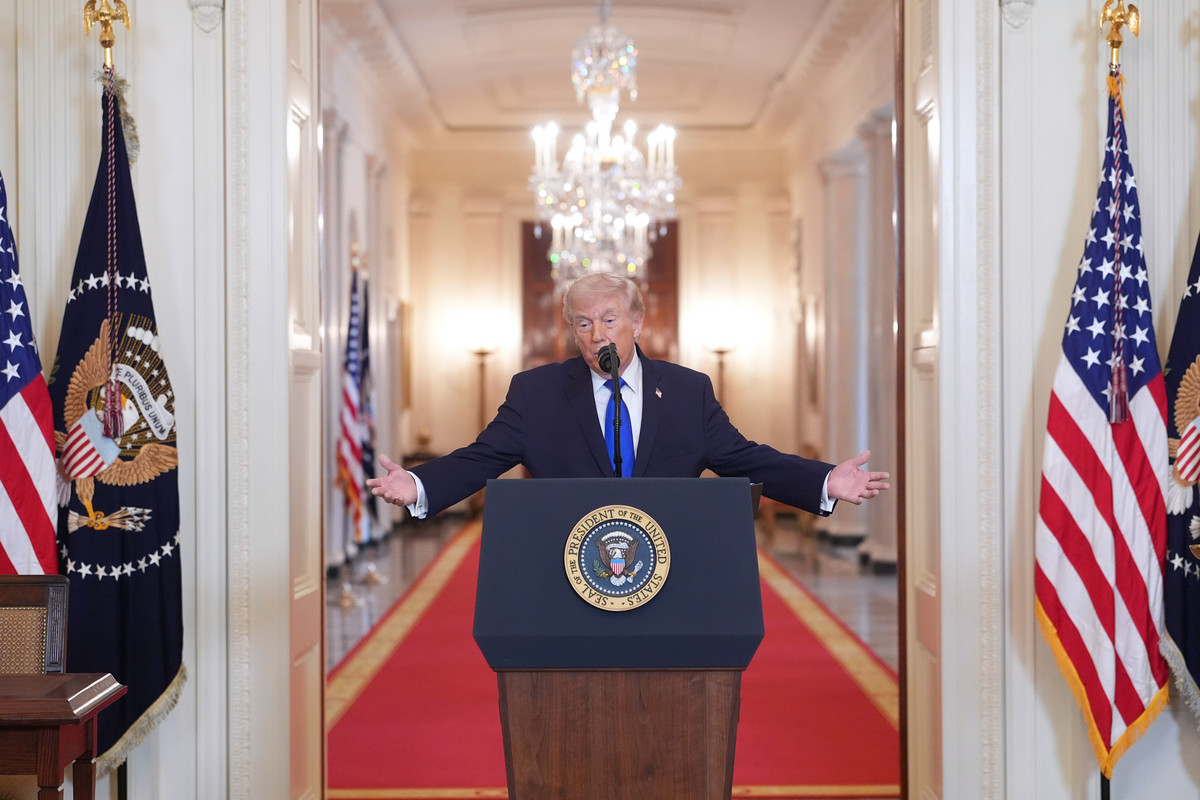
President Trump’s approach has been defined by its opacity. Officials offer contradictory rationales, while the President himself has alternated between bellicose threats and dismissive assurances that he does not want war. This vacuum fuels speculation and anxiety, leaving allies confused and the American public to wonder about the objectives and the endgame of a potential conflict that could cost thousands of lives and trillions of dollars.
The most profound duty of a commander-in-chief is not merely to decide to commit the nation to war, but to explain clearly why that terrible cost is justified. As military assets converge and decision points loom, that essential duty remains conspicuously unfulfilled, breaking a fundamental compact between the presidency and the people it serves.