Federal agencies have pooled more than billion for the Genesis Mission, an Energy Department led initiative designed to harness AI to accelerate research across disciplines.
The funding represents a deliberate shift in how the Trump administration approaches federal science spending, steering dollars toward AI powered projects and individual investigators rather than the universities and large institutions that have historically dominated government backed research. Some of the awardees included researchers at universities, though the program’s emphasis on individual researchers signals a break from traditional funding models.
From a pool of more than 5,000 applications, 278 projects were selected to receive support under the Genesis Mission, Energy Secretary Chris Wright said at the summit where the announcement was made. The scale of the selection process underscores both the demand for AI research funding and the administration’s determination to centralize its approach to emerging technology.
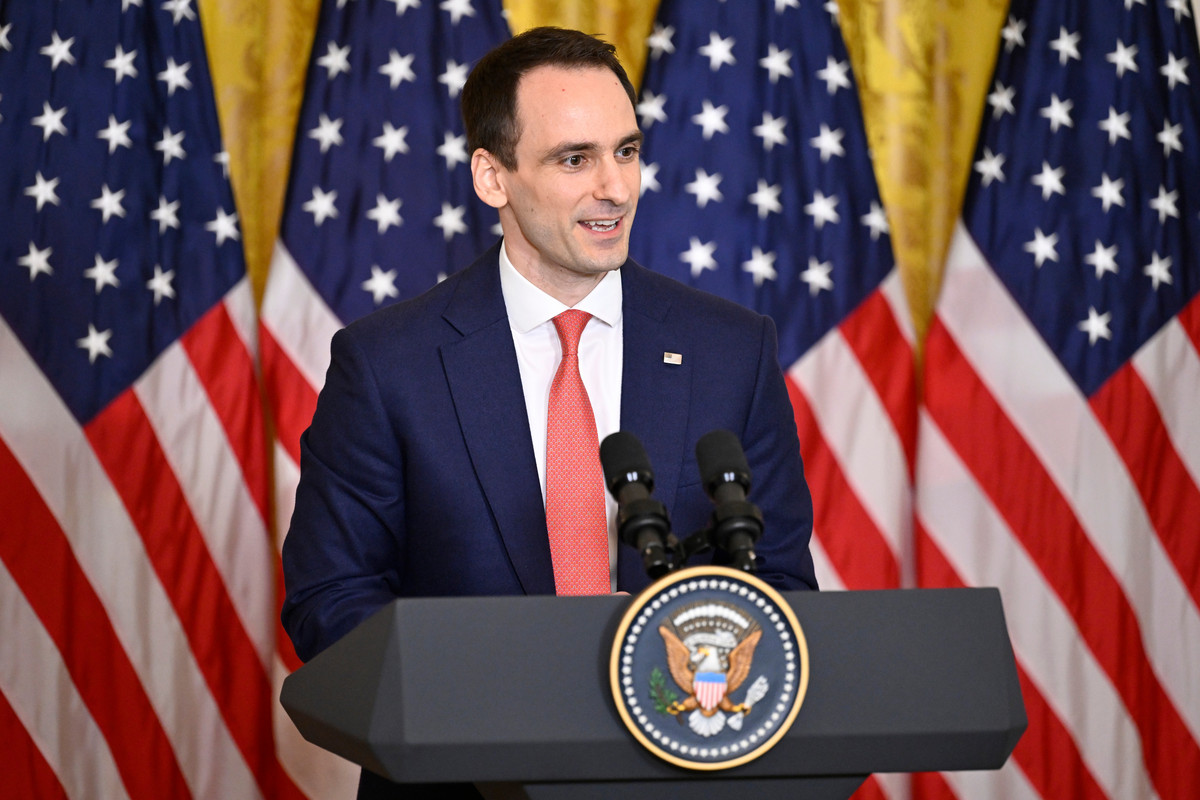
“Through the Genesis Mission, we are bringing together the nation’s leading researchers, institutions, and technology partners to build the next generation of scientific capability,” Under Secretary for Science Darío Gil said in a statement released alongside the announcement. Gil, who oversees the Energy Department’s science programs, will play a central role in directing the initiative’s priorities.
Measuring Success and Shifting Priorities
When asked how he would measure the initiative’s effectiveness, Gil outlined a framework focused on tangible research outcomes rather than institutional benchmarks. The administration has framed the Genesis Mission as a test case for whether AI can accelerate breakthroughs in fields ranging from materials science to climate modeling.
The initiative comes at a time when federal science funding has become a flashpoint in Washington, with some lawmakers questioning whether traditional grant making processes have become too slow and too risk averse. By directing resources toward AI powered methods and individual researchers, the administration is betting that faster, more targeted investments can yield results that conventional peer review processes might overlook.
Researchers who received funding will now begin work on projects that integrate machine learning and other AI techniques into their core scientific inquiries. The Energy Department’s national laboratories, which have long been hubs for high performance computing, are expected to serve as key partners in executing the research agenda.