The message warned that a proposal to power a cluster of artificial intelligence data centers with on-site natural gas turbines could expose nearby communities to elevated levels of nitrogen dioxide, a pollutant linked to childhood asthma and respiratory disease. Instead of pressing for stricter controls, the regulator’s response, according to emails obtained by The Chronicle Page, was to question the severity of the risk.
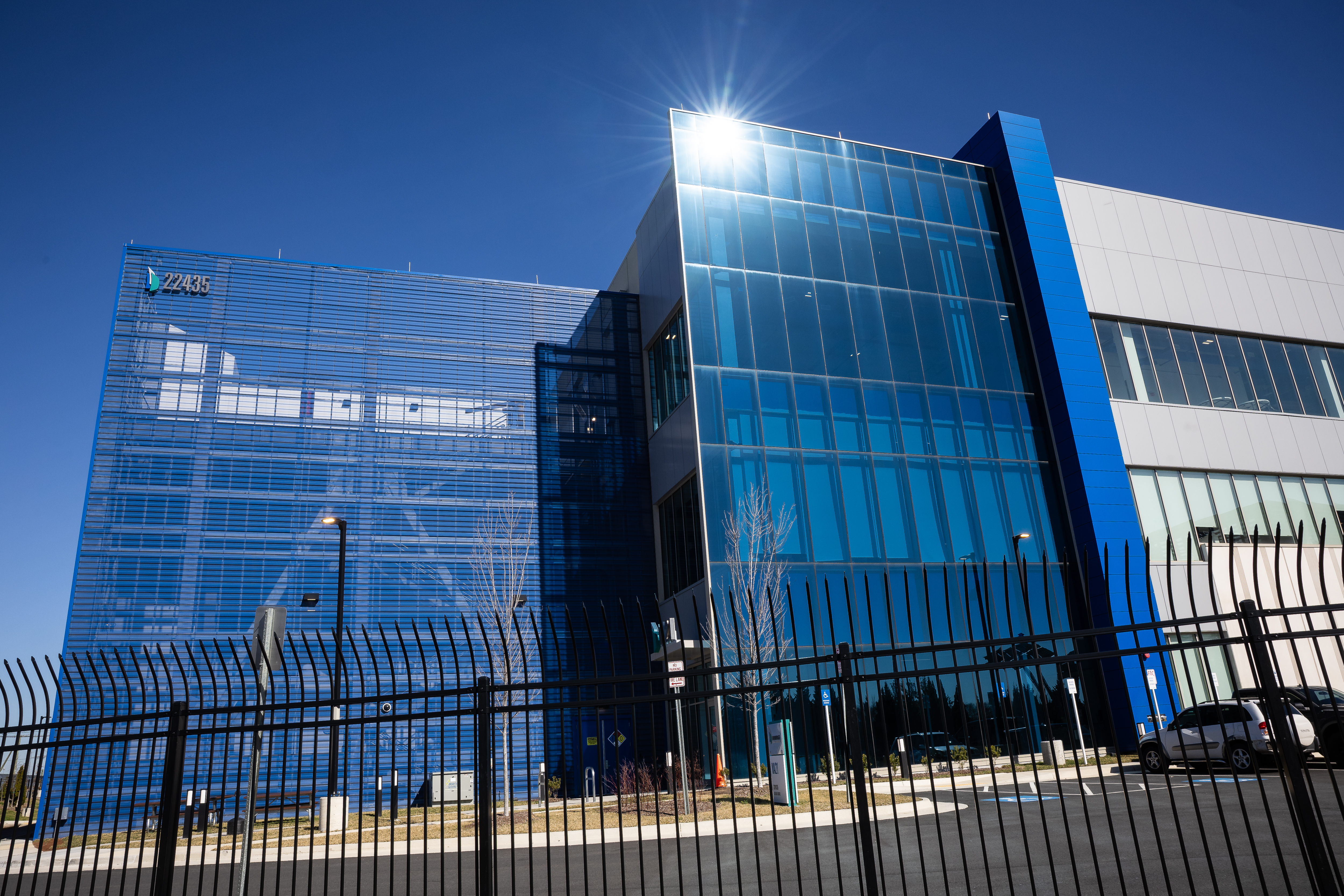
The exchange is part of a trove of internal communications that reveal how Virginia’s environmental agency stepped into a contentious fight over the rapid expansion of AI infrastructure. The state, home to the world’s largest concentration of data centers in Loudoun County, is grappling with soaring electricity demand from the technology sector. To meet that demand without waiting for new transmission lines, developers have proposed installing natural gas turbines directly at data center sites, a move that would bypass traditional grid constraints but raise immediate air quality concerns.
The Virginia Department of Environmental Quality (DEQ) was tasked with evaluating permits for the turbines. But the emails show that agency staff repeatedly minimized health impact assessments, referring to community worries as “overblown” and suggesting that modeling data showing dangerous pollution spikes be revised to reflect “more realistic” scenarios. In one message, a DEQ manager wrote that the agency’s primary goal was to “keep the process moving” for the data center projects, which state officials have touted as critical to Virginia’s economic future.
The documents, which were shared with The Chronicle Page by a clean air advocacy group that filed a public records request, paint a picture of an agency caught between its statutory duty to protect public health and intense pressure from state economic development officials. At least two emails reference calls from the Governor’s office urging DEQ to expedite permits, with one staffer noting that “the timeline is non-negotiable.” The DEQ declined to comment on the specific emails, citing ongoing litigation, but a spokesperson said the agency “follows all applicable federal and state air quality standards.”
Emissions vs. Economic Growth
The conflict in Virginia is being closely watched by other states facing similar pressures from the AI boom. The technology sector’s insatiable appetite for energy has forced utilities and regulators to reconsider the role of fossil fuels in a decarbonizing economy. In Virginia, the proposed turbines would operate only during peak demand periods, but environmental groups argue that even intermittent use could violate the Clean Air Act in a region already struggling with poor air quality.
“The emails show a deliberate effort to downplay the science,” said Dr. Elena Vasquez, a public health professor at George Mason University who reviewed the documents for The Chronicle Page. “When regulators start editing model outputs to make pollution look less dangerous, they are not just making a technical decision. They are making a policy choice about whose health matters.” Vasquez noted that the affected communities in Loudoun County include low-income neighborhoods and communities of color that already bear a disproportionate burden of air pollution from existing data center diesel generators.
The DEQ ultimately approved permits for three of the proposed turbine installations, though the decisions are now being challenged in court by local residents and environmental groups. The case could set a precedent for how states balance the economic allure of AI infrastructure against the long-term health of their residents. As one internal email from a DEQ staffer put it, summarizing the agency’s dilemma: “We can either approve this and deal with the lawsuits, or we can hold it up and deal with the governor.”