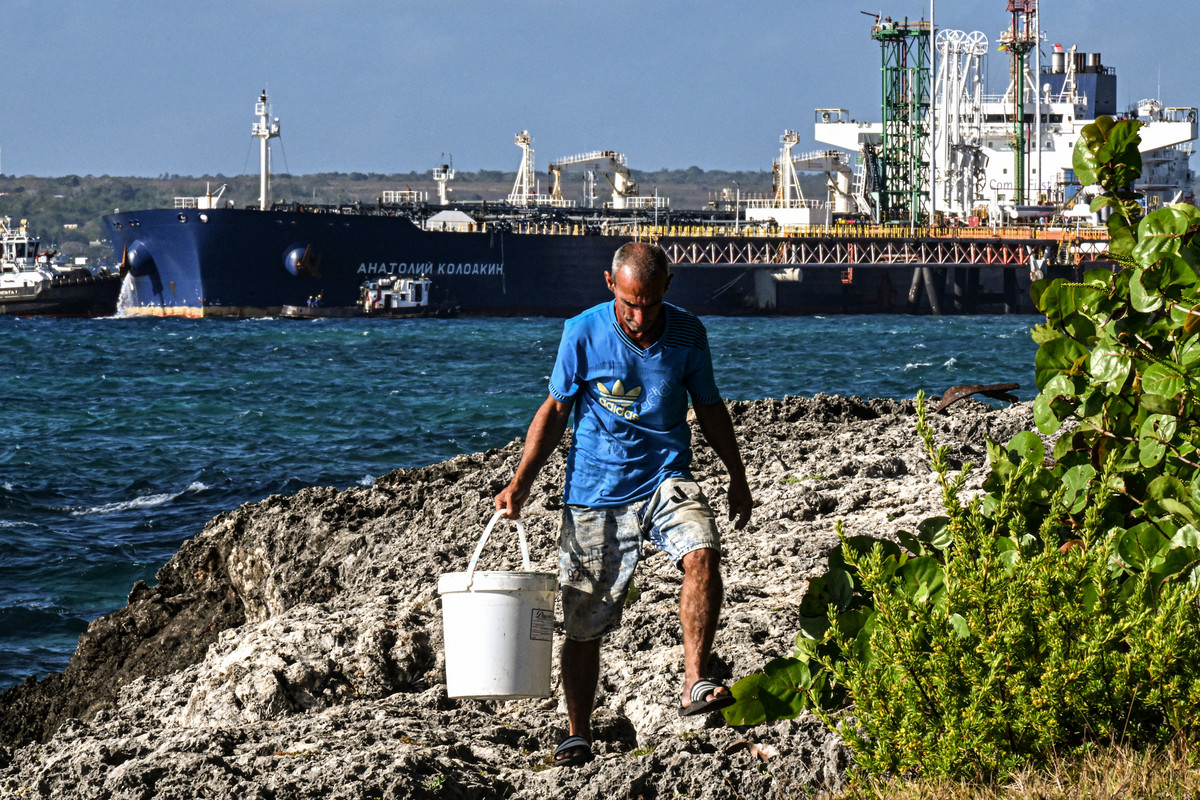
blockade that has crippled Cuba’s economy. The vessel’s passage was quietly permitted by a White House otherwise consumed by a widening war in the Middle East.
The administration of President Donald Trump, which has long made the overthrow of Cuba’s communist government a central foreign policy goal, has now decided to grant Havana a reprieve. According to a person familiar with the internal conversations, the immense resources and attention demanded by the conflict with Iran, coupled with a desire to avoid a direct confrontation with Russia, led to the calculation that Cuba’s regime could be left for later.
This tactical pause, however, does not signal an abandonment of the objective. The administration still intends to change the Cuban political and economic system, the same source confirmed. A second person familiar with deliberations suggested the delay might even serve Trump’s interests by making future actions against the island less predictable.
Central to the immediate decision is an effort to stave off total collapse. U.S. officials appear intent on preventing the severe humanitarian crisis, exacerbated by the oil blockade, from tipping into a full-blown catastrophe that could trigger mass migration. “Using humanitarian suffering as a tool for political change could breed many more problems,” said Jeffrey DeLaurentis, a former senior U.S. diplomat in Havana.
The allowance for Russian oil also reflects Trump’s consistent interest in avoiding friction with Russian President Vladimir Putin, analysts noted. Moscow has signaled it is preparing to send another tanker, though it remains unclear if Washington will permit its docking. The move represents a stark, if temporary, divergence from the maximum-pressure campaign that has severely restricted Cuba’s access to fuel.
A Strategy of Inconsistency
Some former officials caution against interpreting the tanker’s passage as a coherent new strategy. Ricardo Zúñiga, a former State Department official for the Western Hemisphere, noted that while the administration allowed the Russian shipment, it could simultaneously continue squeezing other avenues of support, such as oil from Mexico. The reprieve is selective and could be revoked at any time.
Behind the scenes, channels of communication remain open. A White House official, speaking on condition of anonymity, stated that talks with Cuban leaders are ongoing and that President Trump believes a deal “would be very easily made.” Cuban officials confirmed discussions last month but explicitly rejected negotiating their country’s political system.
The outcome hinges on a White House juggling multiple global crises. For now, the focus required by Iran has provided Cuba with an unexpected, and likely brief, respite from the relentless pressure campaign just 90 miles from U.S. shores.