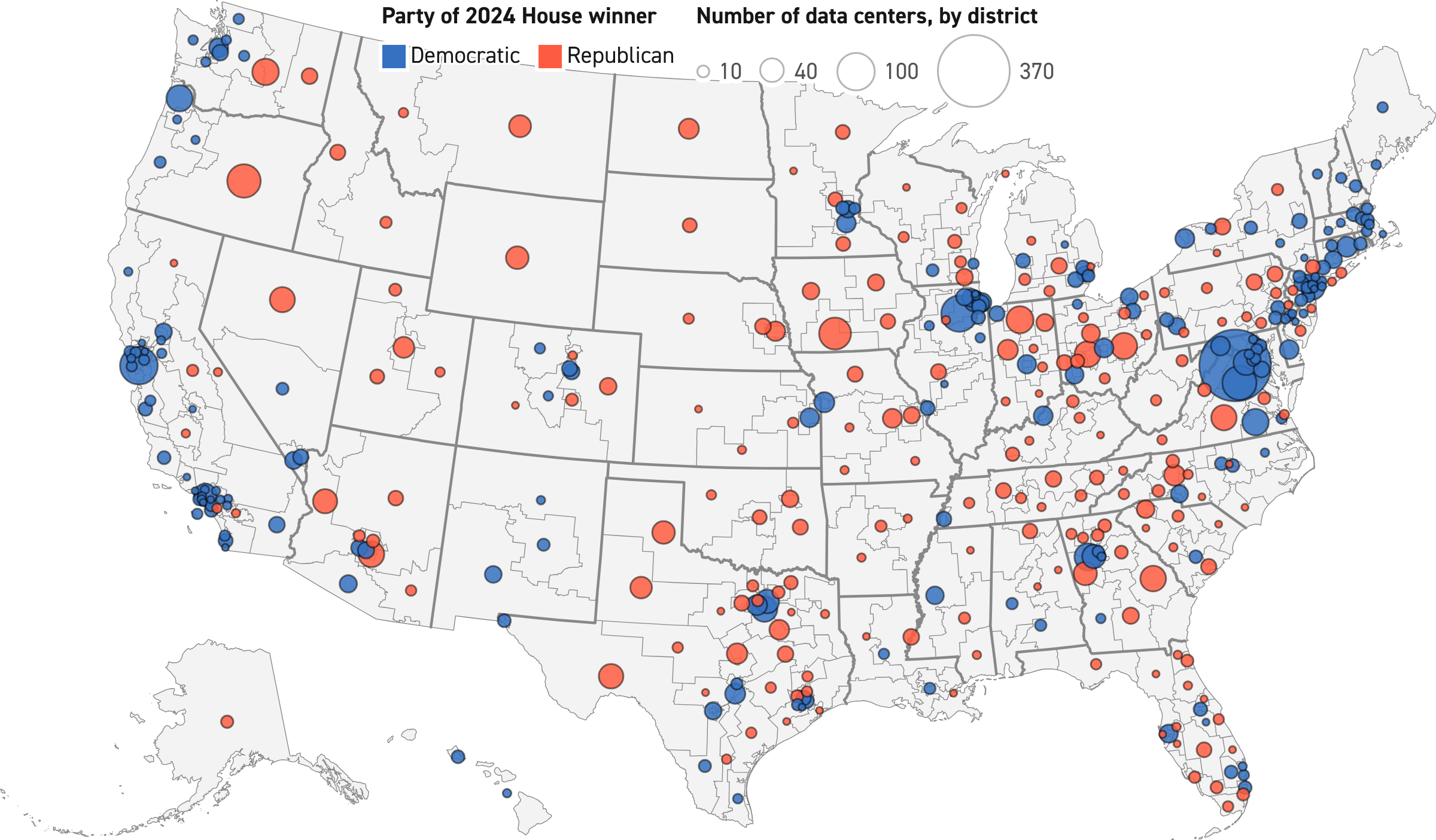
The primary driver of this spike is not found in New Jersey’s own towns, but hundreds of miles away in Northern Virginia, home to the densest cluster of data centers in the nation. The enormous energy demands of these facilities, which power artificial intelligence and cloud computing, are surging across the 13-state regional grid managed by PJM Interconnection, a market in which New Jersey participates. Because the state cannot control this external demand, Governor Mikie Sherrill’s core campaign promise to freeze utility rates and lower costs faces a formidable and immediate test.
Governor Sherrill, a Democrat who took office with affordability as her central platform, now contends with rising energy prices propelled by forces largely beyond a state government’s reach. Brian Lipman, the state’s ratepayer advocate, summarized the dilemma starkly: “Because it’s not a New Jersey problem, it’s not a New Jersey solution.” The tension illustrates how the national AI boom is colliding with state-level politics, forcing governors to weigh the economic benefits of tech investment against the direct hit to household budgets.
The financial mechanism behind the increase is PJM’s annual capacity auction, which secures future power supply for the entire region. Lipman stated the recent price jump was “100 percent linked to data centers,” whose voracious appetite for electricity drives up costs for all customers in the market. According to federal data analyzed by Democratic congressional staff, New Jersey utility bills rose more than those in any other state last year.
Local Impact of a Regional Surge
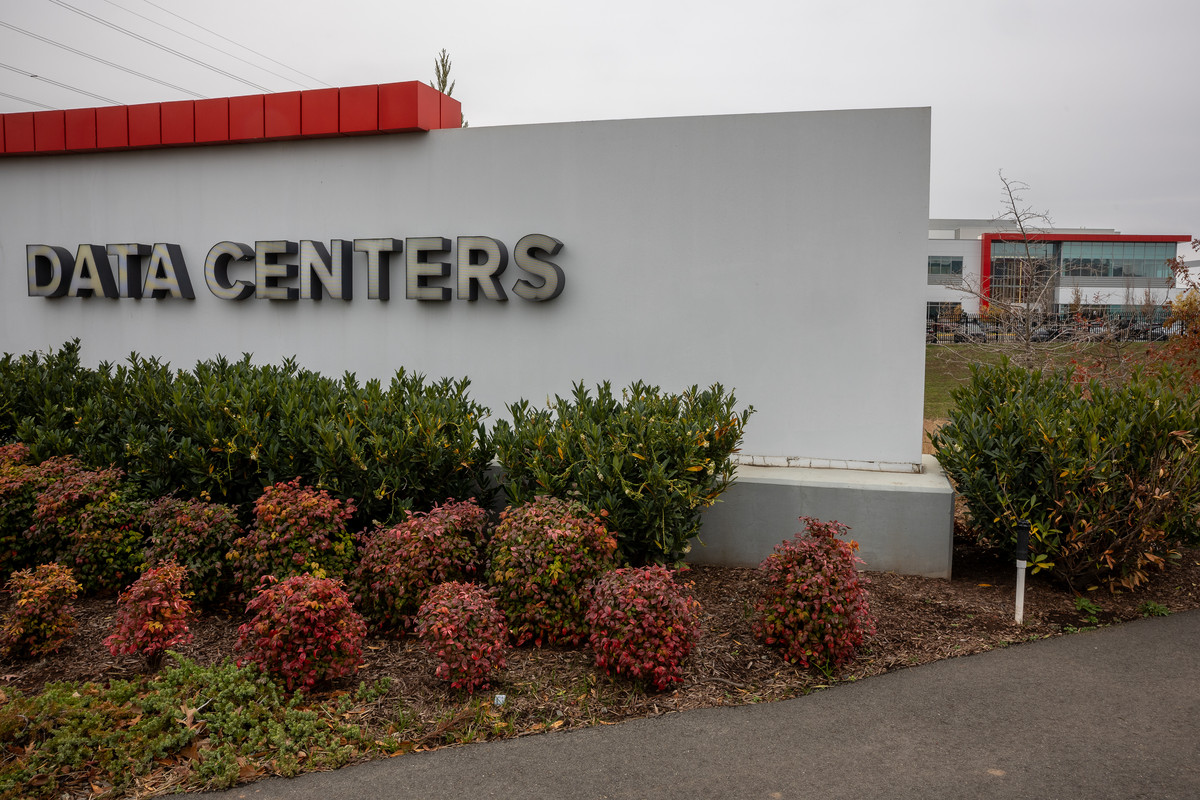
While much of the demand originates out-of-state, New Jersey hosts its own growing footprint. The state is home to 68 data centers currently consuming about 5 percent of its total electricity, a share projected to more than double by 2030. This local growth, combined with high housing costs and a strained state budget, compounds the financial pressure on residents.
The political challenge is not unique to New Jersey. In his State of the Union address, President Donald Trump said companies building data centers should “pay their own way” to shield consumers, while governors in the PJM region have pressed the grid operator for reforms. The debate pits the promise of jobs and tax revenue from data centers against the certainty of higher monthly bills.
Governor Sherrill has not yet commented extensively on the data center issue, leaving her policy response unclear. For now, New Jerseyans are directly funding the infrastructure of the digital age, one heightened electricity bill at a time, as their governor searches for leverage in a market that does not recognize state borders.