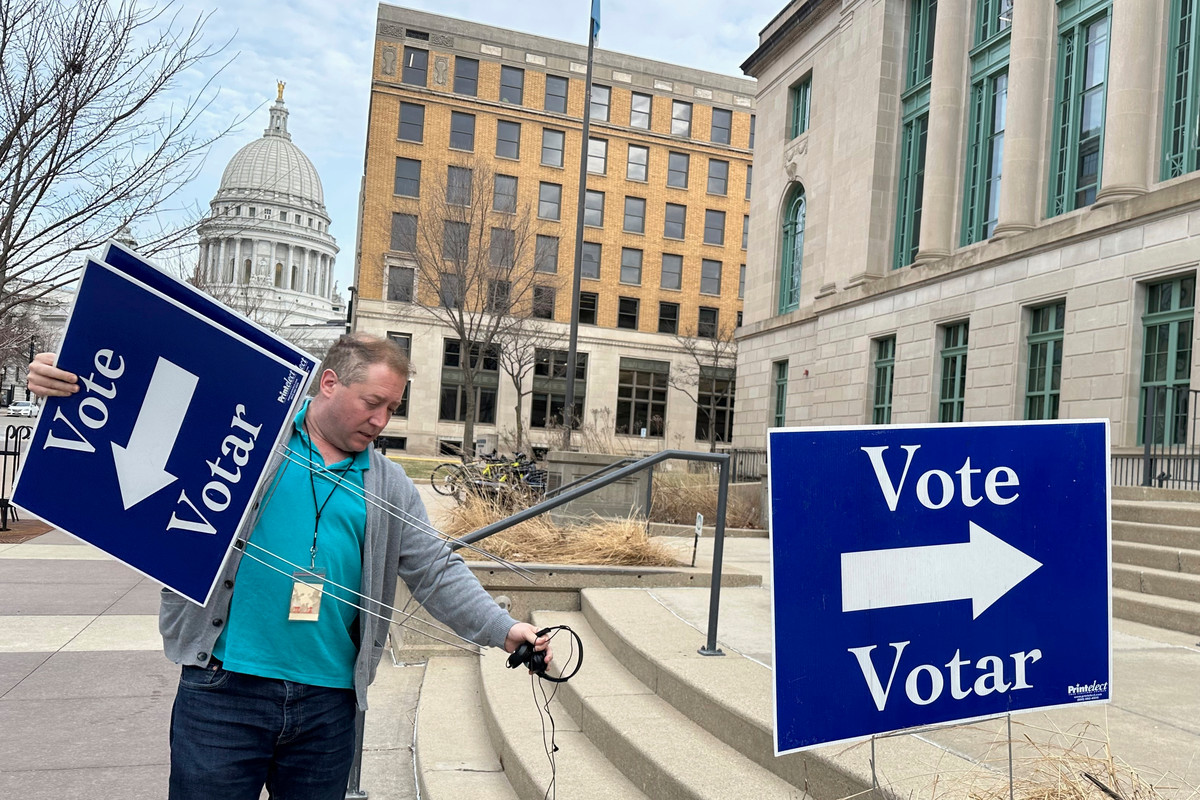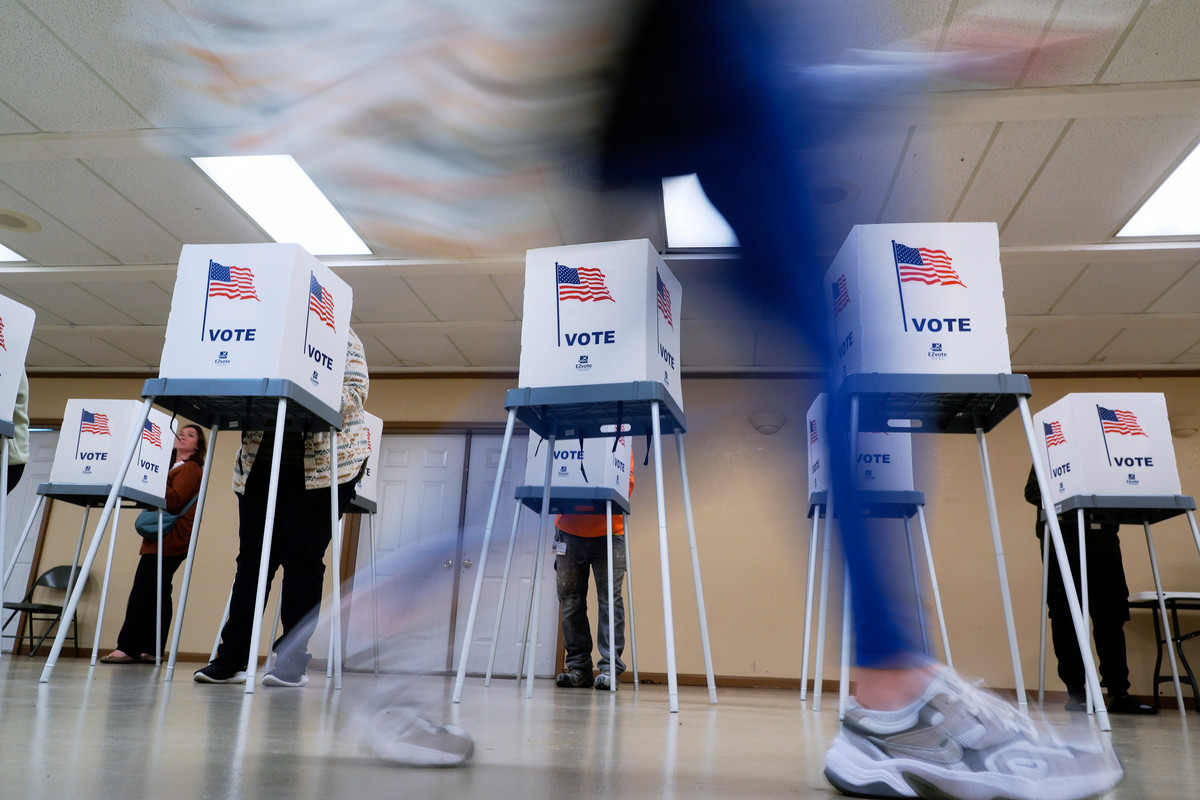
This Tuesday, as voters choose between liberal Chris Taylor and conservative Maria Lazar, the political atmosphere is one of relative quiet.
The stark contrast underscores a significant shift in the state’s political landscape. While statewide elections in Wisconsin are often decided by razor-thin margins, liberal candidates have secured decisive victories in the last three consecutive high court contests, securing a 4-3 majority that has already begun reshaping state law.
“I’m a big college basketball fan, and you couldn’t watch a game a year ago without seeing a Supreme Court ad,” said Alec Zimmerman, a longtime GOP operative. “Watching tournament games right now, it feels like there are significantly fewer. It’s been really quiet.”
Several factors explain the subdued climate. Unlike the 2023 election, which determined ideological control of the court, this race will only decide whether the existing liberal majority expands or remains at a single seat. This lower stakes dynamic, coupled with a packed November election looming, has dampened intensity.
On the right, a sense of donor fatigue and voter disenchantment has set in after repeated losses. Brandon Scholz, the former executive director of the Wisconsin GOP, noted a sense of burnout among conservative donors who have watched their investments fail to translate into victories on the state’s highest bench.
The liberal majority, established three years ago, has moved swiftly to assert its influence. In the past year alone, the court has issued landmark rulings, most notably overturning the state’s near-total abortion ban and throwing out Republican-drawn legislative maps as unconstitutional gerrymanders.
A Foregone Conclusion?
With Democratic-aligned groups still outspending their conservative counterparts, albeit at a fraction of last year’s historic levels, the prevailing expectation in Madison is that the political balance will hold. The outcome is widely seen as tilting in the Democrats’ favor, reinforcing their judicial foothold ahead of the volatile 2026 gubernatorial and Senate elections.
Tuesday’s result will serve as a barometer of political energy in one of the nation’s most closely divided states. For now, however, the race represents a moment of comparative calm, a brief pause in Wisconsin’s perpetual political warfare before the next major battle begins.