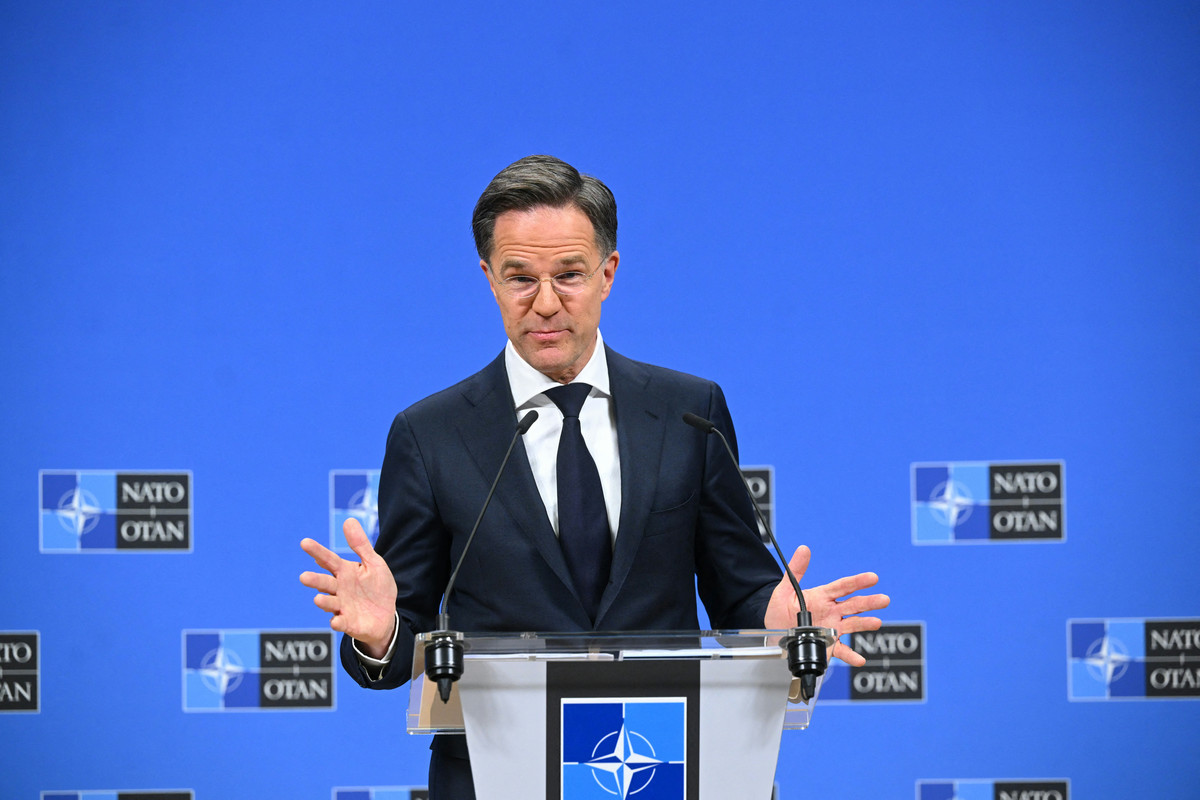
NATO Secretary General Mark Rutte will travel to Washington for a high-stakes meeting with President Donald Trump, his office announced. The encounter, which will also include meetings with Secretary of State Marco Rubio and Defense Secretary Pete Hegseth, comes at a moment of profound crisis for the 77-year-old collective defense pact.
The president's fury has been fueled by the ongoing war in Iran and what he perceives as insufficient support from European allies for the U.S.-Israeli military operation. Trump has grown particularly incensed that other NATO nations have not assisted in securing the Strait of Hormuz, the critical oil transit channel Iran has blocked since the conflict began.
A Pattern of Pressure
Trump's public musings about abandoning NATO have sent shockwaves through capitals across the alliance. The comments represent an escalation of his long-standing complaints that member states do not contribute enough financially, reframing the grievance now around immediate military cooperation in an active conflict zone.
Following the publication of Trump's Telegraph interview, Finnish President Alexander Stubb called the American leader for what was described as a "constructive discussion" about the alliance's future. The move underscored the deep concern among members who rely on the U.S. security guarantee.
In a prime-time address earlier this week, Trump avoided a direct attack on NATO. But in a subsequent interview, he expressed blunt disappointment with the organization. "I don't have any thoughts on NATO. I'm disappointed in them," Trump told POLITICO. "I couldn't care less."
The Rutte-Trump meeting now sets the stage for a pivotal diplomatic confrontation. The NATO chief's mission will be to reaffirm the alliance's value and cohesion, while navigating a relationship with an American president who has repeatedly questioned its very existence.