The threat, posted to Truth Social on Sunday, marks the latest and most vivid escalation in a series of warnings from the president targeting Iran's civilian infrastructure. Trump demanded Tehran "Open the Fuckin' Strait" of Hormuz, a chokepoint for nearly a third of the world's seaborne oil, or face consequences.
This is the second such threat in four days, following a Thursday post in which the president vowed to strike electric plants, oil wells, and Kharg Island, Iran's primary oil export terminal. The rhetoric intensified Saturday when Trump gave Iran a 48-hour deadline to comply.
Legal experts and international law scholars have warned that deliberately attacking civilian infrastructure, such as power grids and bridges, could constitute war crimes. Such acts are generally prohibited under the laws of armed conflict, which aim to protect non-combatants from disproportionate suffering.
When questioned about the president's statements on Monday, White House press secretary Karoline Leavitt offered a terse response, stating only that the United States "will always act within the confines of the law." She did not elaborate on whether the administration considers the threatened targets lawful.
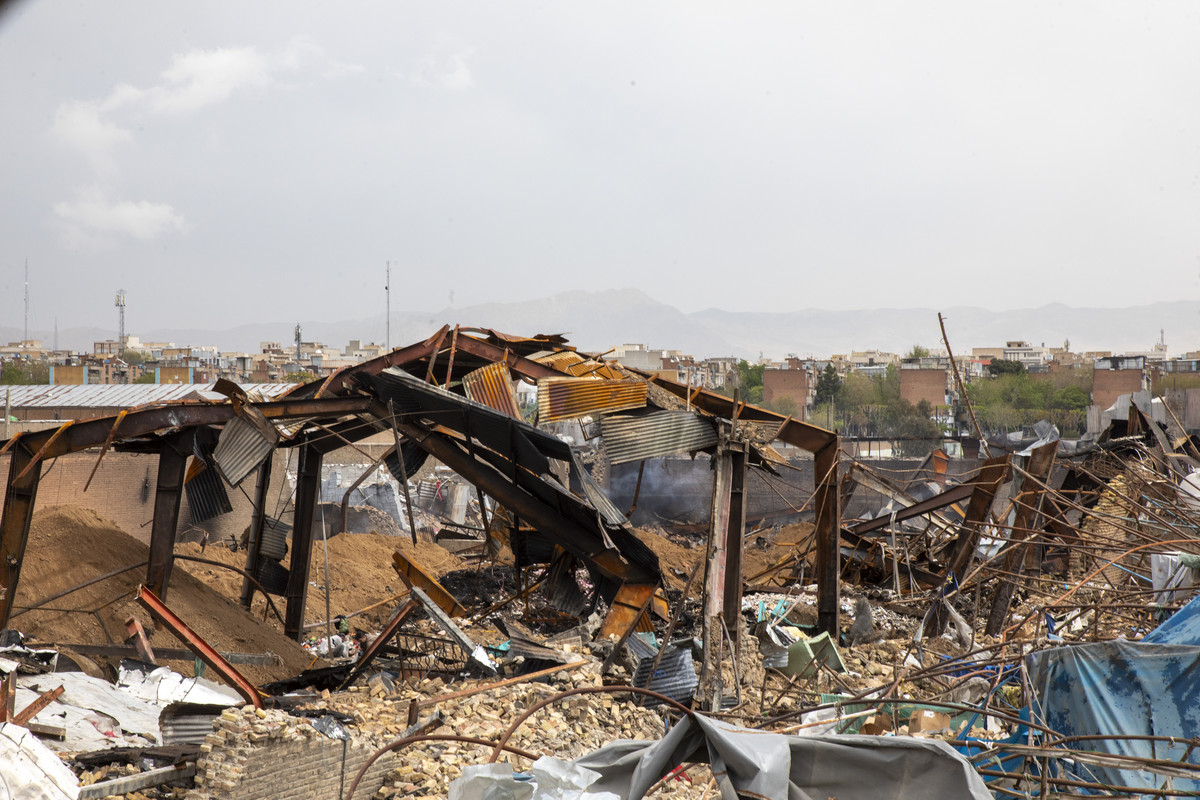
The threats have triggered a sharp response from Iranian officials, who have promised retaliation against U.S. infrastructure in the Middle East if strikes occur. The exchange has dramatically heightened tensions in a region already on edge following U.S.-Israeli airstrikes in southern Tehran this past weekend.
The Strait of Hormuz, a narrow channel between Iran and Oman, is a perennial flashpoint. Iran has periodically threatened to close it during periods of heightened conflict, a move that would severely disrupt global energy supplies and likely trigger a broader military confrontation.
With the president's stated deadline looming, the international community is watching to see whether the threats represent a bargaining tactic or a prelude to a significant escalation that would test the boundaries of international law and regional stability.