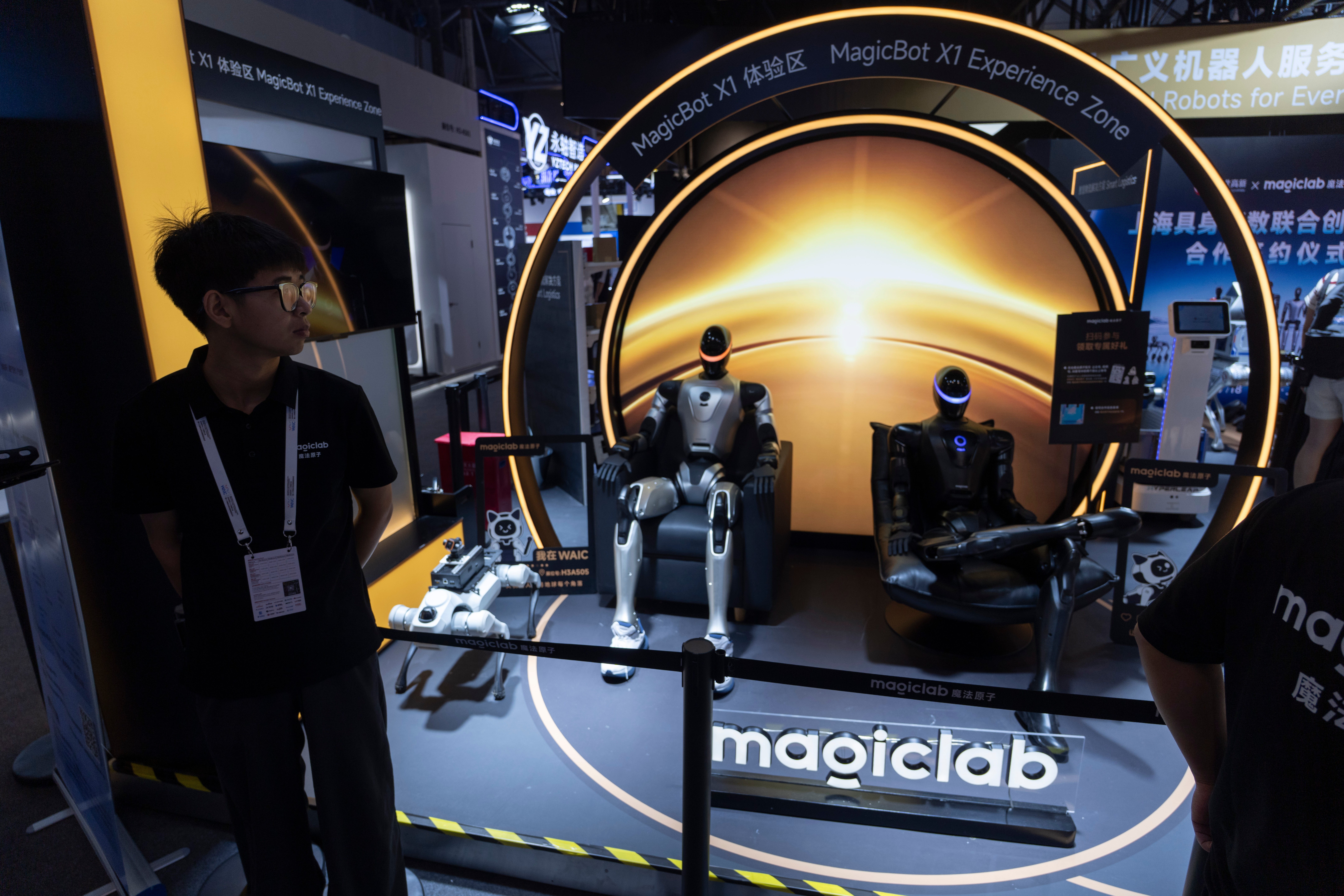
They were among the first pieces of equipment to be affected by a sweeping new federal order that bans the use of foreign-made advanced robots and power inverters across critical American infrastructure.
The Trump administration issued the ban on Wednesday, citing what officials described as an unacceptable risk that such devices could be exploited by foreign adversaries, particularly China. The restrictions apply to a broad category of advanced robotics used in manufacturing and logistics, as well as power inverters that regulate electricity flow in the grid. Officials warned that compromised equipment could lead to cascading blackouts or be used to conduct espionage on American citizens.
The order represents one of the most aggressive moves by the administration to sever technological supply chains linked to Beijing. It applies to any device that includes a microprocessor capable of connecting to the internet or other networks, a definition that captures a wide swath of modern industrial gear. The ban covers both new purchases and the continued operation of existing foreign-made equipment in sensitive sites.
Critics of the policy have already raised concerns about the cost and feasibility of replacing millions of components across the nation's power plants, factories, and data centers. Industry groups warned that the timeline for compliance, set at two years, may be unrealistic given the global shortage of semiconductor chips and the specialized nature of many robotic systems.
U.S. officials countered that the threat is immediate and escalating. Intelligence assessments have identified multiple instances where foreign-made inverters were found to contain hidden code that could allow remote shutdown of power substations. In one case, a fleet of assembly-line robots at a defense contractor was discovered to be transmitting operational data to a server in Shanghai.
Shifting the Industrial Supply Chain
The ban effectively forces American utilities and manufacturers to seek domestic suppliers or allies such as Japan and South Korea for their robotic and power equipment. The Commerce Department will oversee a waiver process for companies that can demonstrate no viable alternative exists, though officials stressed that such exceptions will be rare.
For now, the sealed robots in that Washington-area testing facility serve as a quiet symbol of a larger transformation. The administration has made clear that the era of trusting foreign-made hardware at the heart of America's electric grid and factories is over, regardless of the disruption it may cause to the companies that built their operations around it.