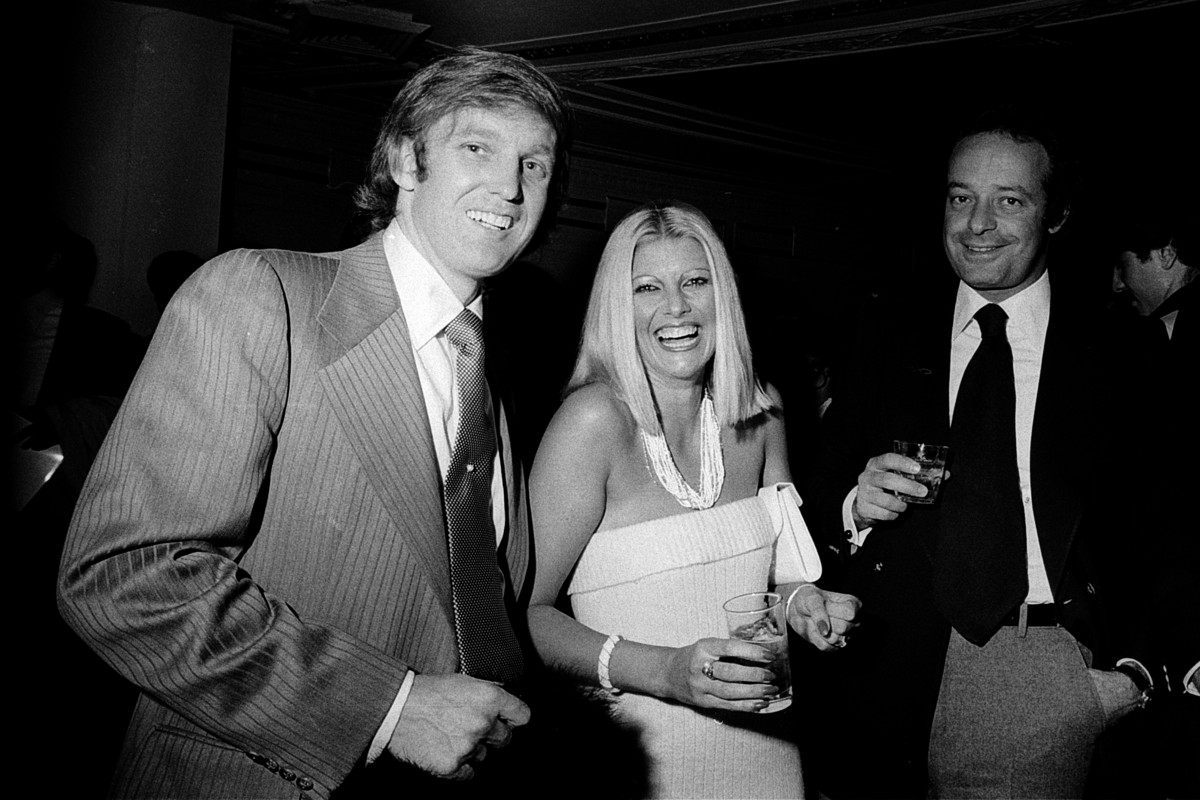
It was the summer of 1977, just months after the club’s grand opening, and the Brazilian soccer star was holding court in a white suit with a blonde woman on his arm. David Hirshey, then a reporter for the Daily News, watched as the man hovered on the periphery of the celebrity scrum, waiting for his moment to join the king of the Cosmos.
The man was Donald Trump, then a 31-year-old real estate developer who had recently taken control of his family’s business and was beginning to make a name for himself in New York’s social scene. His presence that night, as recounted by Hirshey, offers a revealing glimpse into how Trump first encountered the global appeal of soccer long before he would become president and host a World Cup bid. For Trump, the evening was not just a night out but a tutorial in the power of sports celebrity.
Studio 54 was a haven for people so famous they were known by single names: Cher, Mick, Liza, Andy, Pelé, Hirshey recalled. The Cosmos, owned by Warner Communications, were the tip of the spear of a strategy to bring soccer to the United States through the North American Soccer League. After years of struggle, the team was finally succeeding, frequently outdrawing professional sports teams with much longer histories in New York.
The Education of a Developer
Pelé was already one of the most famous people in the world, and he was playing alongside global icons like Franz Beckenbauer, Carlos Alberto and Giorgio Chinaglia. The team’s image was only helped by the fact that Pelé did not mind a night out, and the Cosmos became one of the buzziest tickets in New York. For Trump, watching the scene unfold in the VIP lounge must have been instructive.
New York in 1977 was a city that had flirted with bankruptcy and watched Martin Scorsese offer his paean to the city’s grit and grime. Disco was turning itself into a multi-billion-dollar phenomenon and wealthy real estate developers were starting to smell opportunity. Trump, hovering on the edge of that celebrity scrum, was learning that soccer could be a vehicle for glamour and global reach, a lesson he would carry with him for decades.
The encounter at Studio 54 was not just a social footnote. It was a moment when two futures intersected: one already legendary, the other still being built. Trump’s later embrace of soccer, from hosting World Cup matches to his administration’s successful bid to bring the 2026 tournament to North America, can be traced back to that smoky room where he watched Pelé command the room without saying a word.