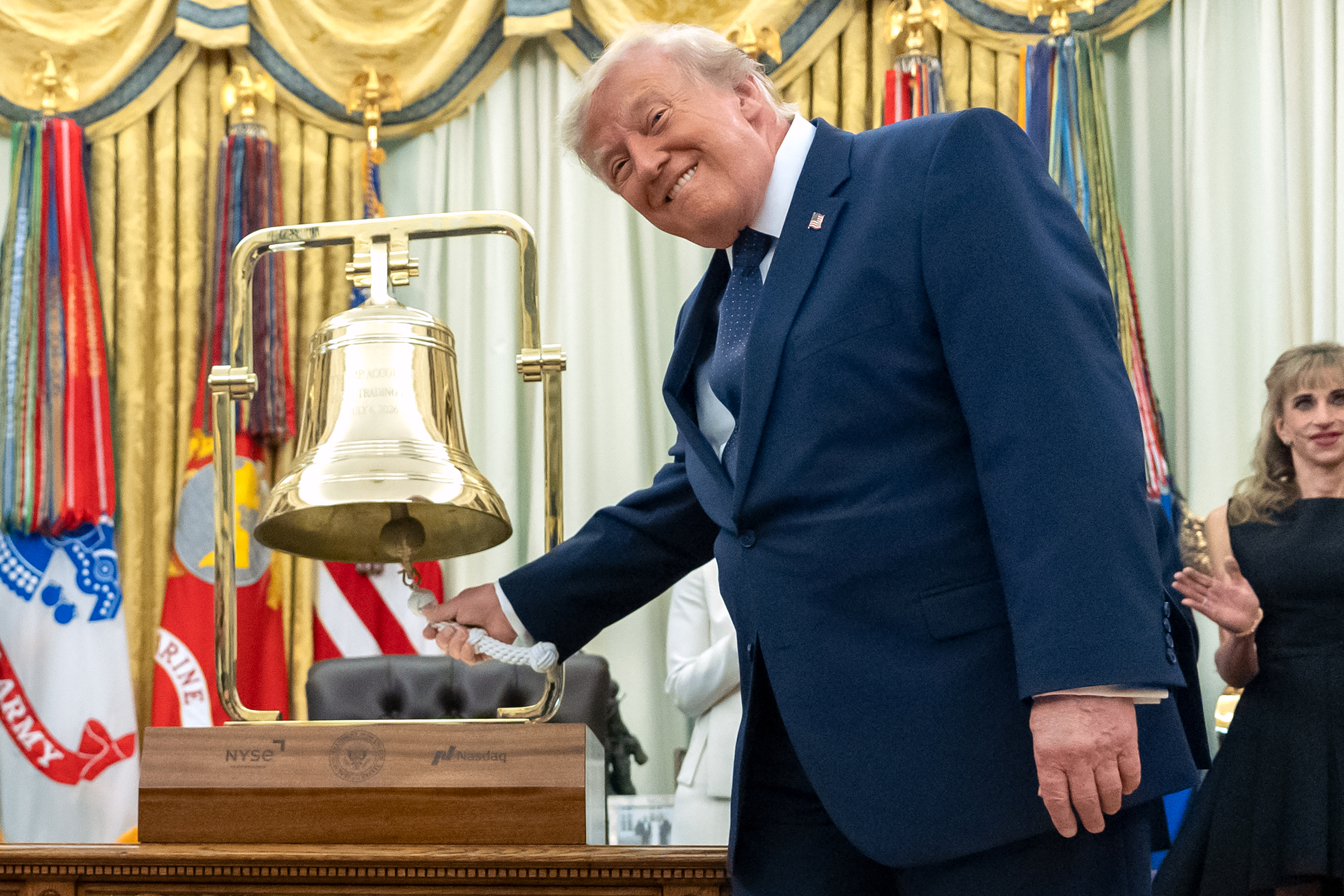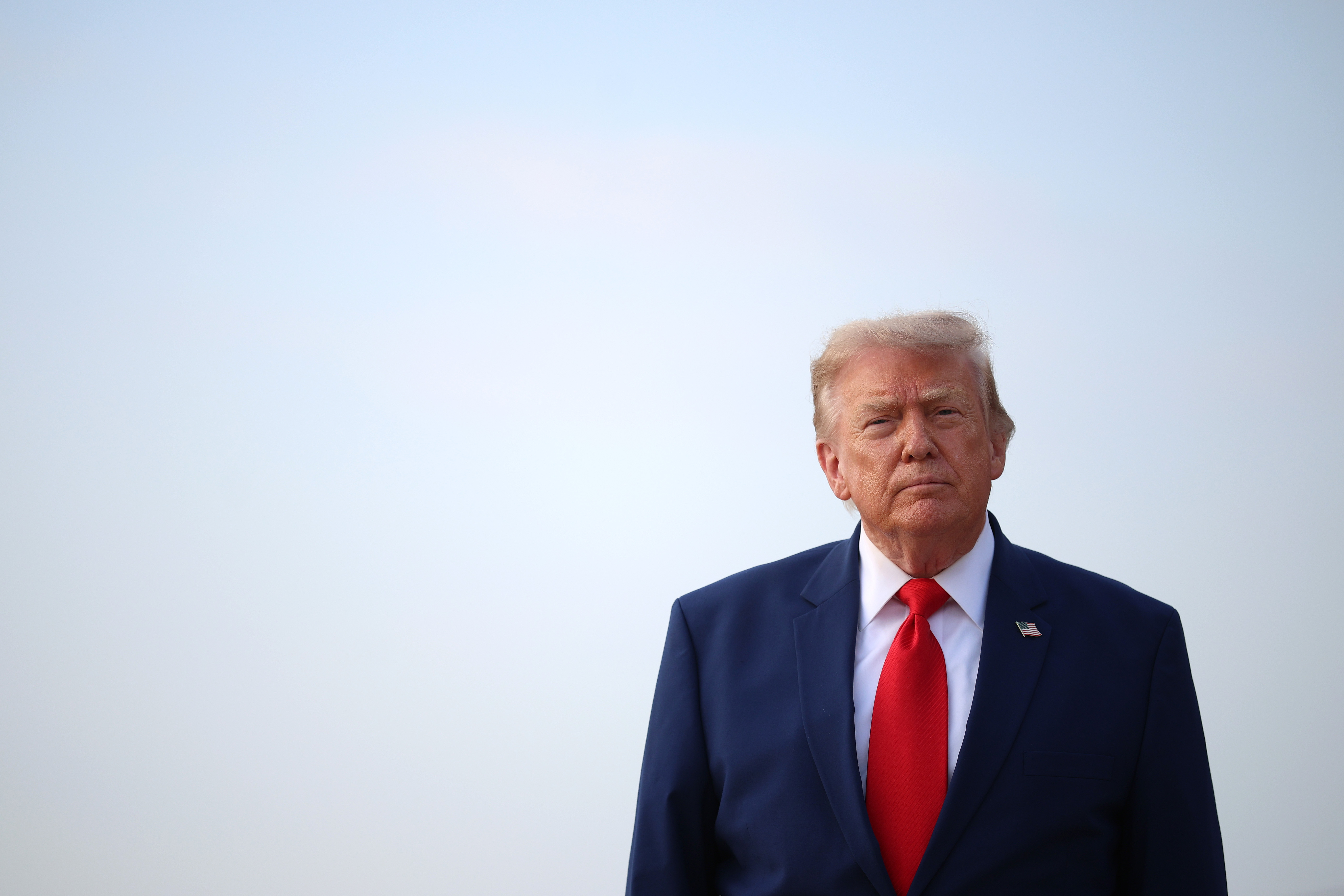
The statement, delivered from the White House, marked a significant escalation in the administration’s posture toward the Islamic Republic, which has long been accused of arming and financing the Houthis.
“Iran will be held fully accountable for the actions of the Houthis,” Trump said, predicting grave consequences for Tehran if the group remained on the offensive. The president did not specify what form those consequences might take, but his language signaled a departure from previous U.S. policy that had largely treated the Houthis as a separate, if Iran-backed, entity.
The warning comes amid a surge in Houthi missile and drone attacks targeting commercial shipping in the Red Sea and, more recently, U.S. naval vessels in the region. Since November, the group has launched dozens of assaults on what it describes as Israeli-linked ships, a campaign it says is aimed at pressuring Israel to end its military operations in Gaza. The attacks have disrupted one of the world’s most critical maritime trade routes.
A Shift in U.S. Strategy
By linking the Houthi offensive directly to Tehran, the Trump administration appears to be adopting a more confrontational approach, one that mirrors its “maximum pressure” campaign against Iran’s nuclear program. The move also follows a series of U.S. airstrikes against Houthi positions in Yemen, which have so far failed to halt the group’s attacks. U.S. defense officials have acknowledged that the Houthis retain a significant portion of their strike capability.
Analysts say the new policy could risk a broader regional conflict. Iran has consistently denied providing direct operational orders to the Houthis, though it has acknowledged ideological and political support. The United Nations and multiple Western intelligence agencies have documented the transfer of advanced weaponry, including drones and ballistic missiles, from Iran to Yemen in violation of a UN arms embargo.
The Houthis, for their part, have shown no signs of backing down. In a statement released shortly after Trump’s remarks, a group spokesman dismissed the threat as “empty rhetoric” and vowed to continue attacks until Israel halts its campaign in Gaza. The group has also expanded its targeting to include U.S. assets, striking an American destroyer in the Red Sea earlier this month, though the missile was intercepted without causing damage.
The warning places Washington and Tehran on a potential collision course, with the Biden administration’s previously cautious approach now replaced by a more aggressive ultimatum. European allies, who have urged restraint, are watching closely as the situation threatens to spiral into a direct U.S.-Iran confrontation. For now, the president’s message is clear: the next Houthi attack will be treated as an Iranian attack, and the response will be swift.