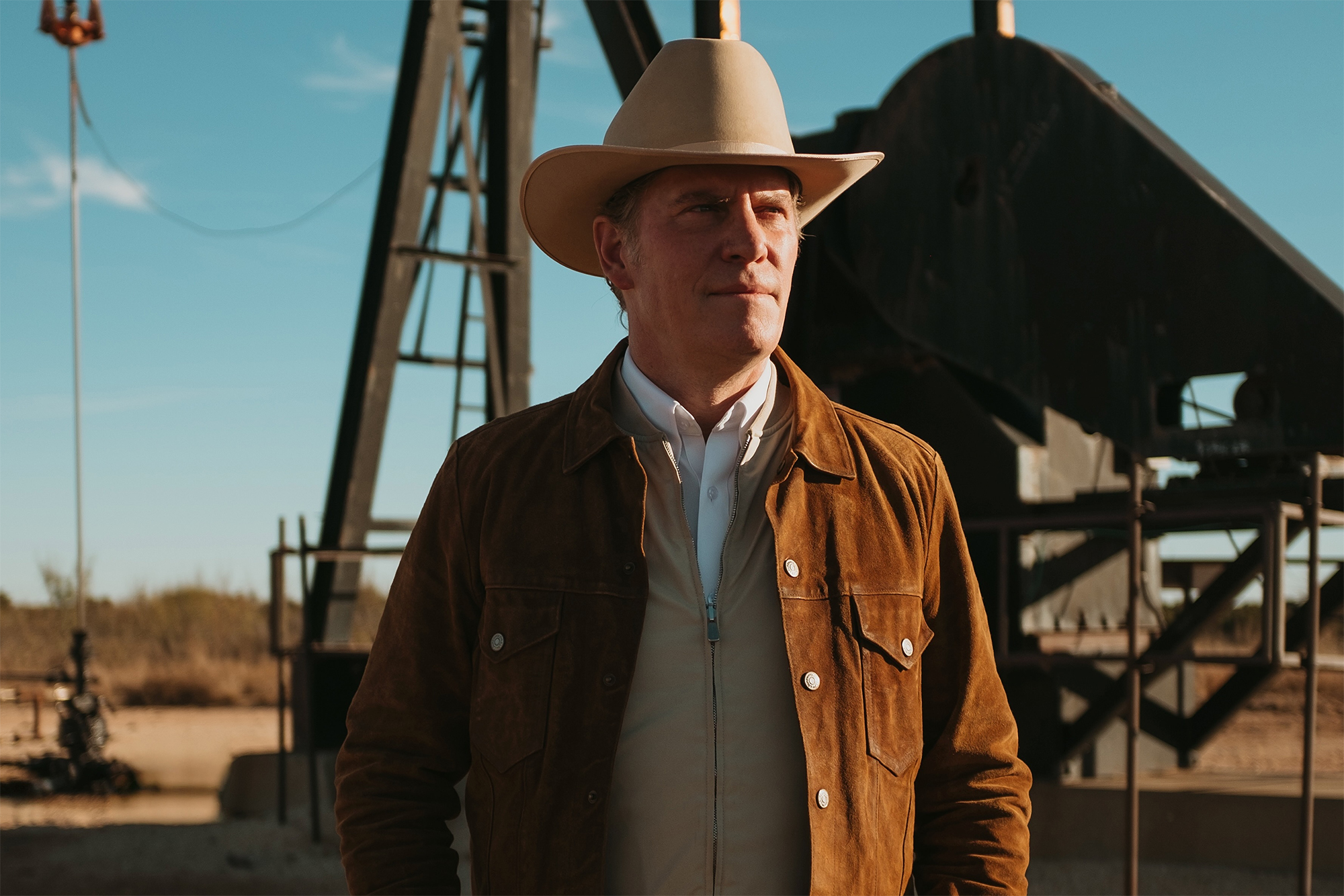
Bo French, who has drawn sharp criticism from top GOP leaders for past comments targeting minority groups, now holds a narrow lead over incumbent Jim Wright in the race for the Railroad Commission of Texas, the agency that oversees the state’s vast petroleum industry.
With nearly all precincts reporting late Tuesday, French led Wright by roughly 3 percentage points, a margin that, if it holds, would send him to a general election in November. The contest has become an unexpected proxy battle within the party, pitting establishment figures against a grassroots faction energized by cultural grievances rather than traditional energy policy debates.
French’s campaign has centered on opposition to what he calls “woke ideology” in classrooms and boardrooms, a message that has resonated with a subset of Republican primary voters. Yet his rise has alarmed party elders, including Governor Greg Abbott and Lieutenant Governor Dan Patrick, who have publicly denounced French for a series of social media posts and public statements that they described as racist and divisive.
The Railroad Commission, despite its name, has no authority over railroads. It regulates oil and gas drilling, pipeline safety, and natural gas utilities across Texas, a state that produces roughly 40 percent of the nation’s crude oil. Critics argue that French’s focus on cultural battles is a distraction from the technical and environmental responsibilities of the office.
“This is not a job for a culture warrior. It is a job for someone who understands the complexities of energy markets and resource management,” said Mark Jones, a political analyst at Rice University. He noted that the runoff’s outcome could signal whether the party’s base prioritizes ideological purity over governance experience.
Wright, a former state representative who was appointed to the commission in 2023, has sought to frame the race as a choice between competence and chaos. He has highlighted his work on permitting reform and pipeline safety, while avoiding direct engagement with French’s provocations. But his low-key approach has struggled to gain traction against French’s aggressive social media presence and grassroots organizing.
If French secures the nomination, he will face a Democratic opponent in November in a state where Republicans have not lost a statewide election in three decades. Still, the intraparty battle has exposed deep fissures, with some party insiders warning that a French victory could alienate moderate voters and corporate donors who view the commission as a steward of the state’s economic engine.
The final vote count is expected in the coming days, but the race has already reshaped the conversation around one of Texas’s least visible but most consequential elected offices. For now, the question is whether the party’s establishment can hold the line or whether the cultural currents that have reshaped Republican politics nationally will now remake the state’s energy regulator.