7, 2023. The remark, captured on a recording obtained by POLITICO, stood in stark contrast to the Kennedy scion’s public posture on the war, where he has branded himself the most pro-Palestinian voice in a crowded Democratic primary for New York’s 12th Congressional District.
Schlossberg, the grandson of former Attorney General Robert F. Kennedy, is vying to succeed retiring Representative Jerry Nadler in a district that includes some of the largest Jewish communities in the country. On Instagram and in campaign materials, he has declared support for “no weapons to Israel” and cast himself as “the only candidate” seeking to block “bombs and bulldozers” from reaching the country. He has also attacked two of his opponents for what he described as an unconditional approach to military aid.
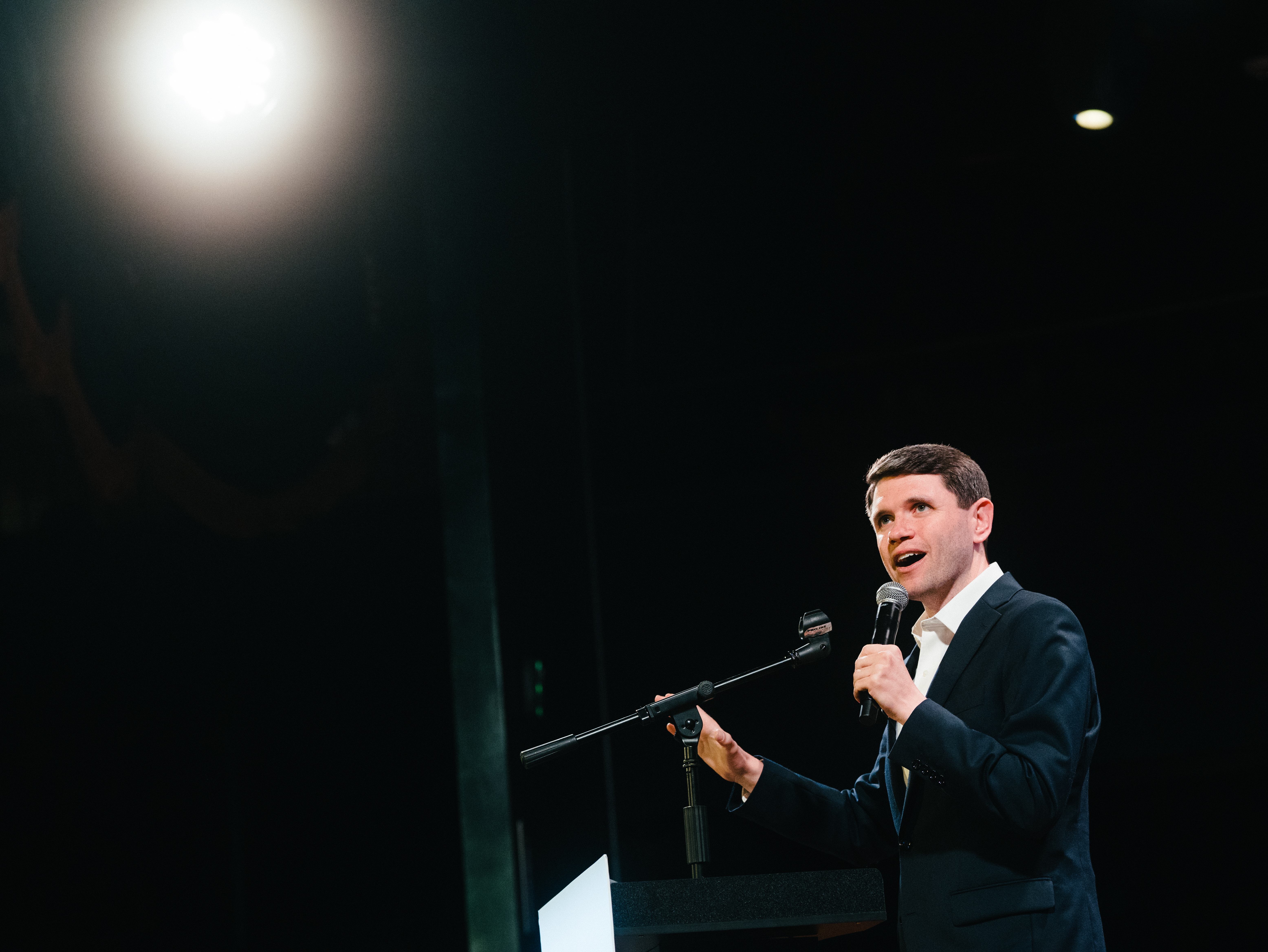
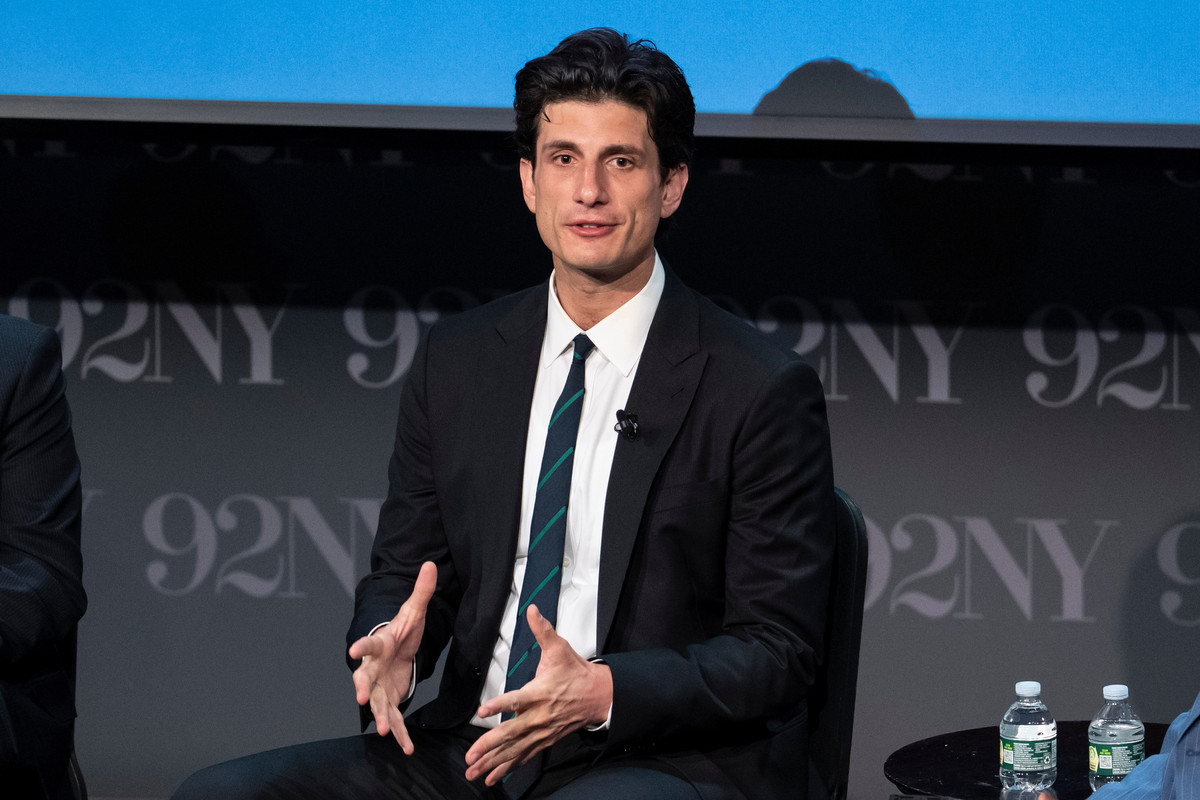
But at the May 11 “meet and greet” hosted by the Harmonie Club, a private social club where membership is by invitation only, Schlossberg’s tone shifted markedly. “I probably would have continued funding Israel’s offensive weaponry within the years following October 7th,” he told the assembled members, according to the recording. He added that he had become “a stronger supporter of Israel than I ever thought I would be standing here today with you, because of educating myself on the issue.”
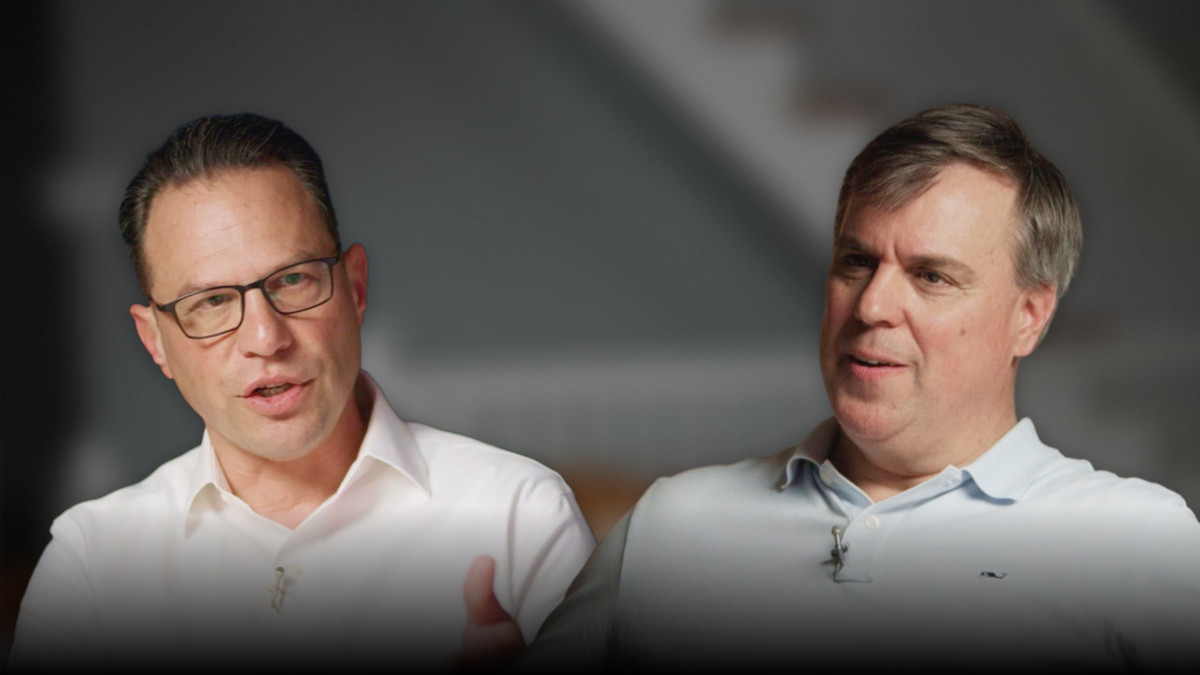
The private remarks threaten to undermine the central pillar of Schlossberg’s campaign in the June 23 Democratic primary. His team has worked aggressively to distinguish him from opponents including state Assemblymembers Alex Bores and Micah Lasher, anti-Trump commentator George Conway, and public health expert Nina Schwalbe, largely on the basis of his willingness to condition or halt military assistance to Israel.
“That is ultimately I think a sign of leadership and what a congressperson should do,” Schlossberg said at the club, defending his evolving position as a product of deeper study. The Harmonie Club, founded in 1852 and described by The New York Times as the second-oldest private social club in New York City, sits steps from Central Park and has long been a gathering place for the city’s Jewish elite.
The divergence between Schlossberg’s public and private messaging reflects the delicate political calculus facing candidates in a district where pro-Israel sentiment runs deep but progressive activism has grown louder since the war in Gaza began. Schlossberg’s campaign did not respond to a request for comment about the discrepancy between his social media posts and his remarks at the club.
For now, the recording places Schlossberg in a bind familiar to politicians navigating the Israel debate: saying one thing to energize the left flank of the party while offering a different assurance to voters with deep personal and historical ties to the Jewish state. Whether the contradiction will cost him support among either constituency remains an open question as primary day approaches.