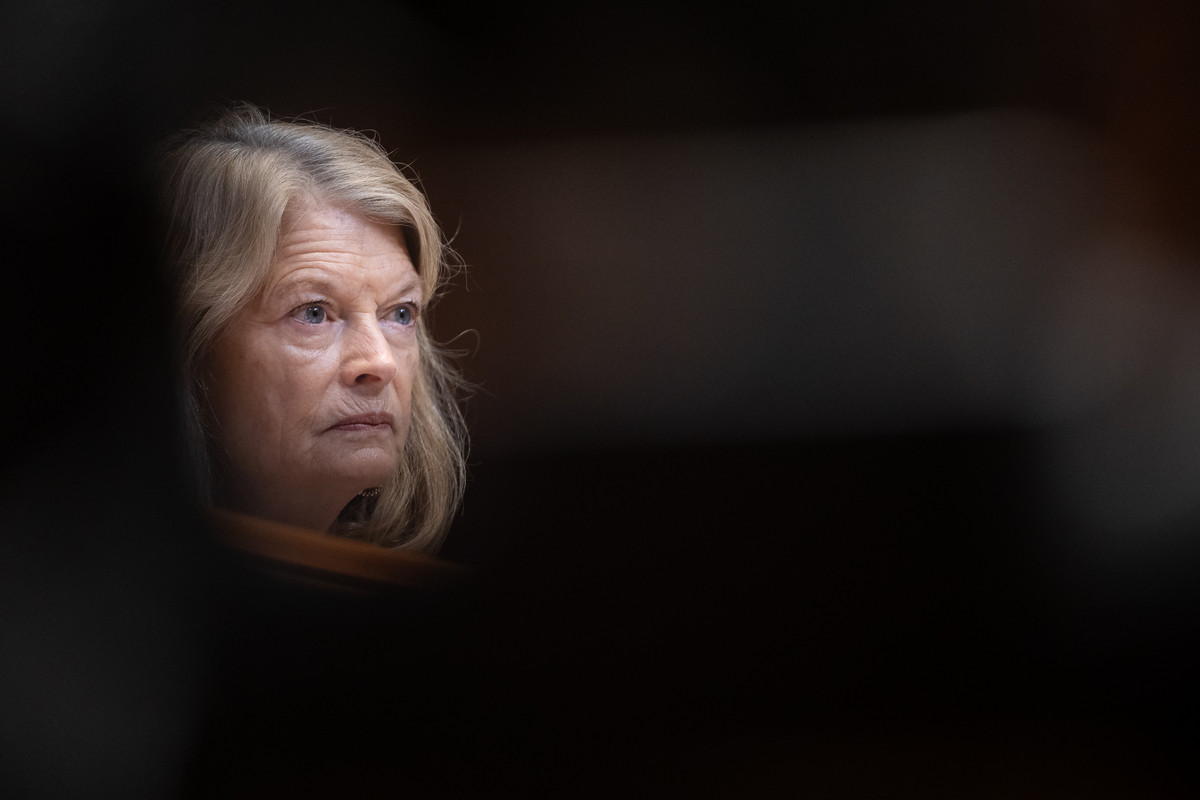
She survived a Trump-backed primary challenger in 2022, but with the president now emboldened by a string of victories against Republican incumbents he deemed insufficiently loyal, the question hanging over her party is whether the retribution will ever stop.
Trump's late decision to endorse against Texas Senator John Cornyn, who lost his renomination bid Tuesday night to state Attorney General Ken Paxton, sent a chill through the Senate Republican conference. Cornyn had endorsed Trump in January 2024 and worked aggressively to win the president's favor after initially keeping his distance from Trump's comeback bid. The outcome made clear that past efforts at reconciliation offer no protection.
The president has already targeted two House Republicans for perceived slights, and the White House has floated a longer list of potential primary opponents over the past year. Now senior GOP senators are watching the 2028 cycle with unease, aware that Trump's revenge tour may extend well beyond the 2026 midterms into the final stretch of his presidency.
Senator Thom Tillis of North Carolina, who is leaving office at the end of this year, said in an interview that he "could see" some of his colleagues retiring rather than risk a Trump-fueled primary challenge. "But I also think," Tillis added, "he's not going to carry the same weight in the 2028 election cycle, particularly if we've lost one." The calculus may shift dramatically depending on how Republicans perform in the November midterms.
Several senators up for reelection in 2028 have previously broken with the president, including Murkowski, Kentucky's Rand Paul and Indiana's Todd Young. One Republican senator, granted anonymity to speak candidly about colleagues, posed a blunt question: "Look at all of them that are up in 2028. Do they think about retiring?"
Murkowski, who has long resisted pressure to fall in line, offered a stoic assessment of her standing. "I don't get caught up in, 'Does the president love me today or hate me today?'" she said. Her survival in 2022, when she won reelection as a write-in candidate after losing the Republican primary, demonstrated that defying Trump is not necessarily fatal. But the political landscape has shifted since then, and Trump's grip on the party base has only tightened.
Some Republicans caution that it is too early to predict a wave of retirements. If Trump's efforts to purge establishment-minded lawmakers backfire and cost the party seats in the 2026 midterms, his influence over primary voters could wane. But for now, the message from Texas is unmistakable: loyalty to Trump is measured in actions, not words, and the price of perceived disloyalty keeps rising.