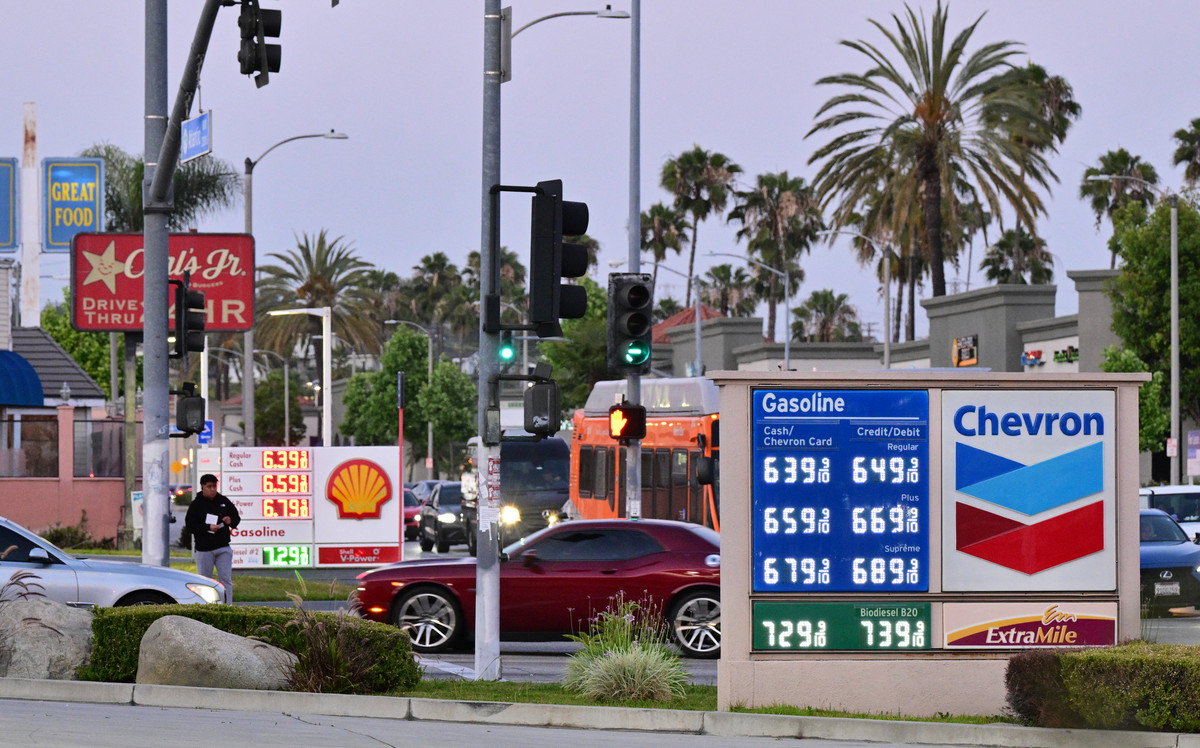
A full tank now costs her instead of , and the 44-year-old certified nursing assistant has started staying home more often. She is not alone. Across the country, Americans are confronting a sudden and severe spike in gasoline prices just as the Memorial Day weekend ushers in the busiest travel season of the year.
The national average price for a gallon of regular gasoline hit $4.56 on Wednesday, the highest mark of the year, according to American Automobile Association data. Every state has now ticked above $4 a gallon, and several Western states are approaching or have already shattered previous records. Washington set an all-time high at $5.79, while Alaska reached $5.27 on Thursday. The primary cause, energy analysts say, is Iran’s closure of the Strait of Hormuz, a chokepoint for global oil shipments that shows no sign of reopening.
The political fallout is landing squarely on the Republican Party, which controls the White House and faces a difficult midterm landscape. President Donald Trump has acknowledged the pain at the pump, calling the current prices “peanuts” on Tuesday and asking Americans to bear with the disruption. “It won’t be much longer,” he said, adding that preventing Iran from obtaining a nuclear weapon was the larger strategic priority. But the price of crude oil continues to flirt with $100 a barrel as U.S. inventories sink lower, and Trump has warned that active fighting in Iran could resume in the days ahead.
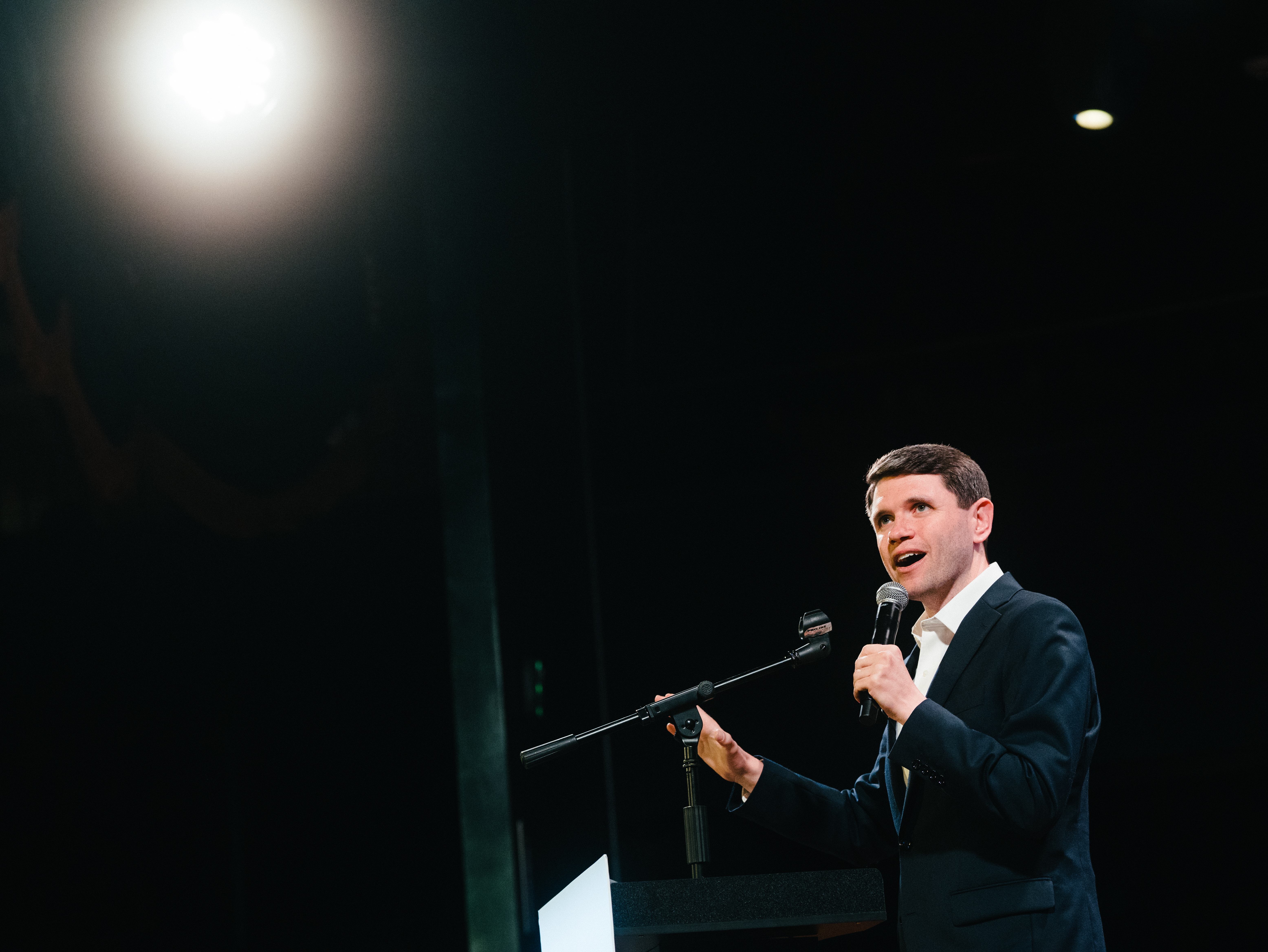
In North Carolina, former Democratic Governor Roy Cooper is making the gas spike a centerpiece of his Senate campaign. Stumping at a Winston-Salem restaurant on Thursday, he framed the issue as part of a broader affordability crisis on what he calls his “Make Stuff Cost Less” tour. “I think there are a lot of potential solutions to rising costs,” Cooper said. “But I think that the war in Iran is affecting us most of all.”
For Republican incumbents in competitive districts, the crisis presents an acute challenge. Representative Mariannette Miller-Meeks of Iowa, who is facing a difficult reelection campaign, said people in her district are “hurting.” Senator Lisa Murkowski of Alaska told reporters on Tuesday that the price of gas has become the dominant topic of conversation in her state. “With everything going on in the world, everything going on in the country, there is only one thing that Alaskans are talking about, and that is the prices that they are seeing in their communities as a consequence of higher fuel prices,” Murkowski said.
The pain is especially acute in rural Alaska, where communities are receiving their first fuel barges of the year. Those shipments lock in elevated prices for months ahead, Murkowski noted, adding, “It’s a tough time for us right now.” The national average has already surpassed the $5.02 per-gallon peak reached under the Biden administration in 2022, when Russia’s invasion of Ukraine disrupted global energy supplies. In many states, the current prices are nearing or have already eclipsed that level.
For travelers like Stephens, the math is simple and grim. She is cutting back on errands and skipping trips to see family. The summer driving season, traditionally a time of freedom and mobility, has become a daily reminder of a war thousands of miles away and a political problem that has no easy solution at the pump.