The proposed contact between the two leaders, which Trump described as routine, threatens to upend decades of diplomatic convention that have governed unofficial relations between Washington and Taipei since 1979.
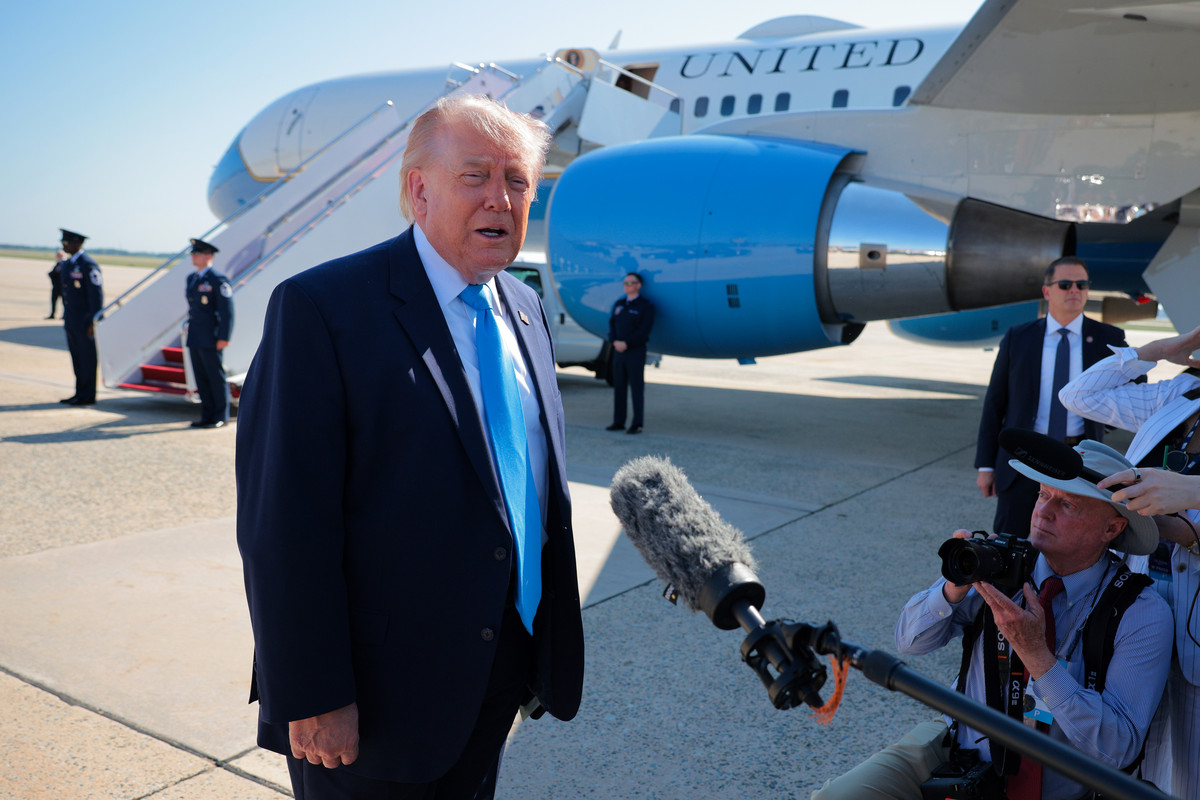
“I’ll speak to him. I speak to everybody. We have that situation very well in hand,” Trump said when asked aboard Air Force One whether he planned to contact Lai before ruling on the weapons package. The president added that “we’ll work on that, the Taiwan problem,” without offering further detail. His remarks came just days after he told reporters last week that he intended to speak with the person “that’s running Taiwan.”
Direct leader to leader communications between the United States and Taiwan have been virtually nonexistent since Washington shifted diplomatic recognition from Taipei to Beijing in 1979. Any move by Trump to speak with Lai is certain to infuriate Beijing, which claims Taiwan as Chinese territory and has long warned against official U.S. engagement with the island’s government.
Trump has tested this norm before. He took a congratulatory call from Taiwan’s then President Tsai Ing-wen after winning the 2016 presidential election, a break with protocol that drew sharp rebukes from China. U.S. Taiwan ties are otherwise considered non-official and are conducted through outposts in Washington and Taipei that lack formal diplomatic status.
The president’s latest comments may strain the relationship between the White House and Beijing, which Trump worked to strengthen during a visit to China last week. Chinese leader Xi Jinping made Taiwan a central issue during his two day summit with Trump in Beijing, stressing that the Taiwan question is the most important issue in China U.S. relations.
Neither the Chinese Embassy nor Taiwan’s diplomatic outpost in Washington immediately responded to requests for comment. The proposed arms sale, valued at roughly $14 billion, would represent one of the largest U.S. weapons transfers to Taiwan in years if approved.