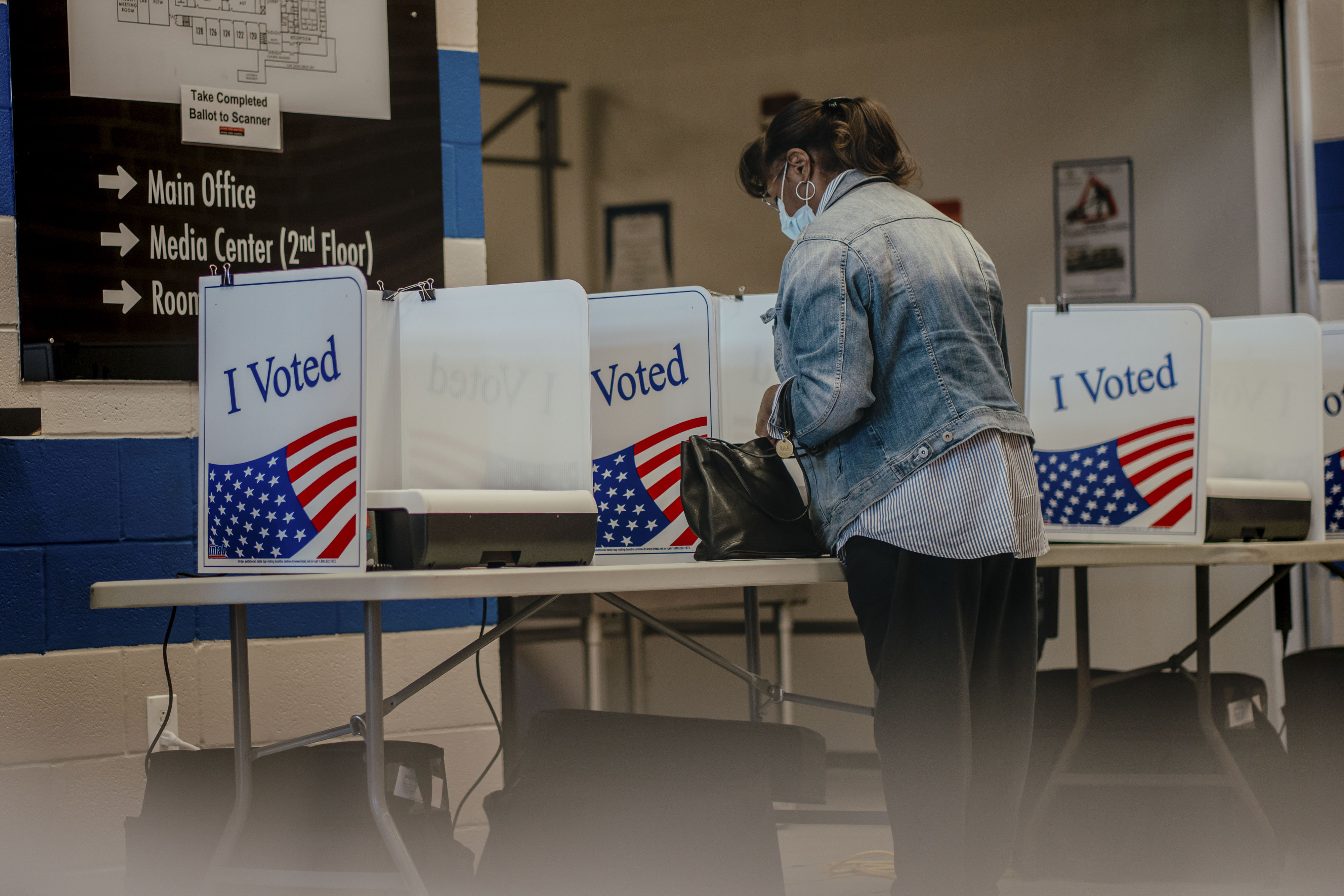
The party’s decision to move South Carolina to the front of the nominating line was hailed as a victory for racial equity, but a growing number of strategists and civil rights leaders now warn that the change could inadvertently reduce Black voters’ leverage in the general election.
The logic behind the shift was straightforward. By placing a state with a substantial Black Democratic electorate first, party leaders hoped to ensure that African American preferences shaped the nomination process from the outset, rather than being an afterthought in overwhelmingly white early states like Iowa and New Hampshire. Yet the mechanics of delegate allocation and the compressed primary calendar threaten to undermine that goal.
Under the new schedule, South Carolina’s primary will be followed almost immediately by a slew of contests in states with smaller Black populations and more moderate electorates. The result, according to several party insiders, could be a nominee who wins the early, diverse state but then faces pressure to pivot away from the issues most important to Black voters in order to compete in the subsequent, whiter contests. “The calendar giveth, and the calendar taketh away,” said one Democratic strategist who requested anonymity to discuss internal party concerns.
The risk is particularly acute for candidates who rely on strong African American support to build momentum. A victory in South Carolina might force a candidate to immediately moderate their message on criminal justice reform, voting rights, or economic equity to appeal to voters in states like New Hampshire, which now votes just days later. That dynamic, critics argue, could leave Black voters with a nominee who owes them a victory but not a platform.
Unintended Consequences of Reform
Party officials who championed the change have defended it as a necessary correction to decades of racial imbalance in the nominating process. They point to the 2020 cycle, when Joe Biden’s resounding win in South Carolina, powered by Black voters, revived his campaign and set him on a path to the White House. But that success, they acknowledge, came in a calendar where South Carolina was the fourth contest, not the first, allowing Biden to build a broader coalition before the primary season accelerated.
Now, with South Carolina leading off, the compressed timeline leaves little room for candidates to consolidate support across racial and regional lines before the race becomes a national sprint. “The idea was to center Black voices, but the execution may end up marginalizing them in a different way,” said a veteran Democratic operative familiar with the calendar negotiations. The operative noted that the change was made without a corresponding adjustment to the delegate selection rules, which still reward candidates who can win in a wide array of states.
For Black voters in South Carolina, the concern is less about the primary itself and more about what follows. If the nominee emerges from the early states with a mandate that is both indebted to African Americans and beholden to moderate white voters, the tension could define the general election campaign. “We are not a launching pad. We are a constituency,” one Orangeburg pastor said, speaking after the clergy meeting. The pastor added that the party’s reform, however well intentioned, had placed Black voters in a position of symbolic power without the structural guarantees to ensure their policy priorities survived the primary season.