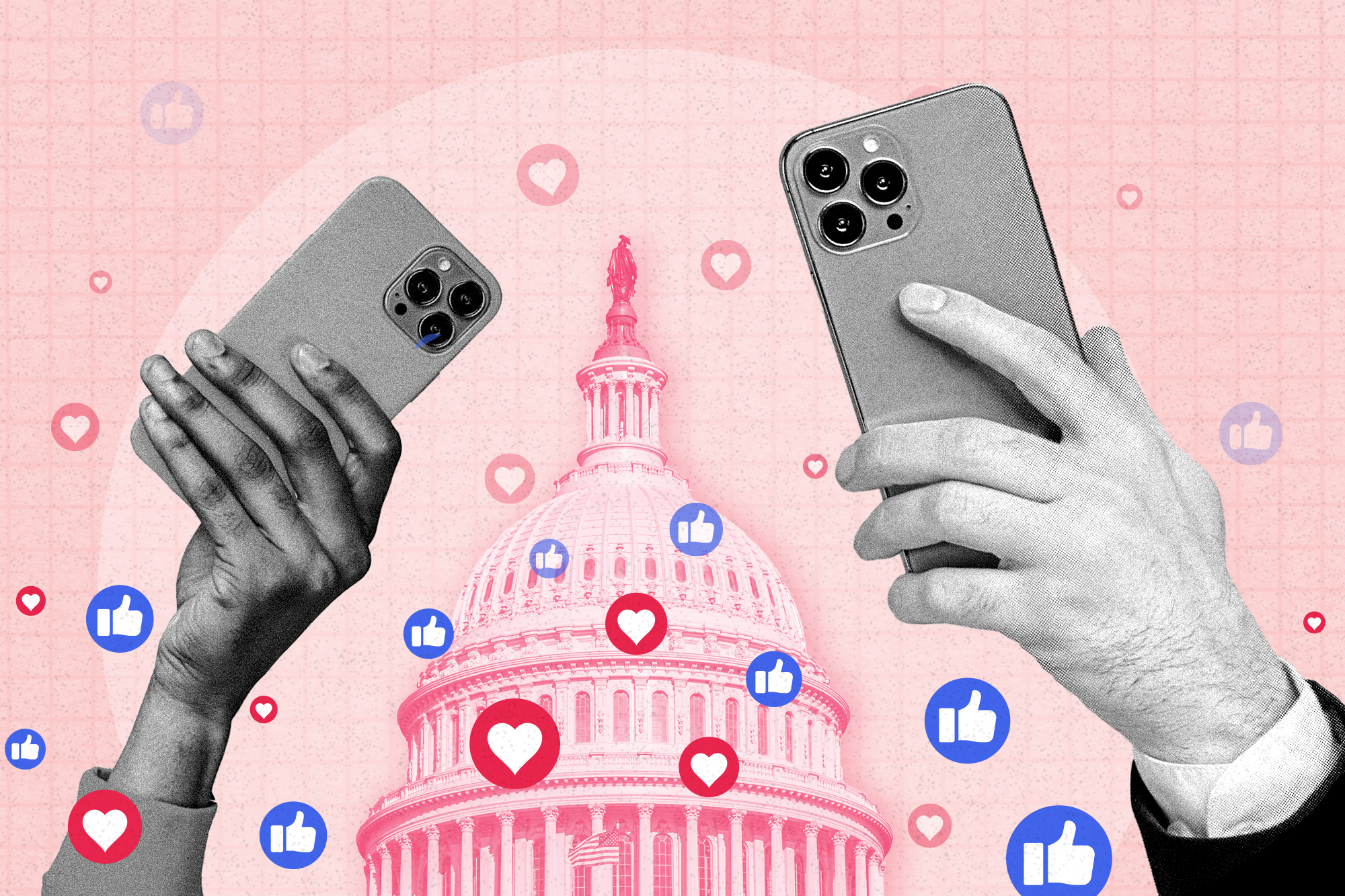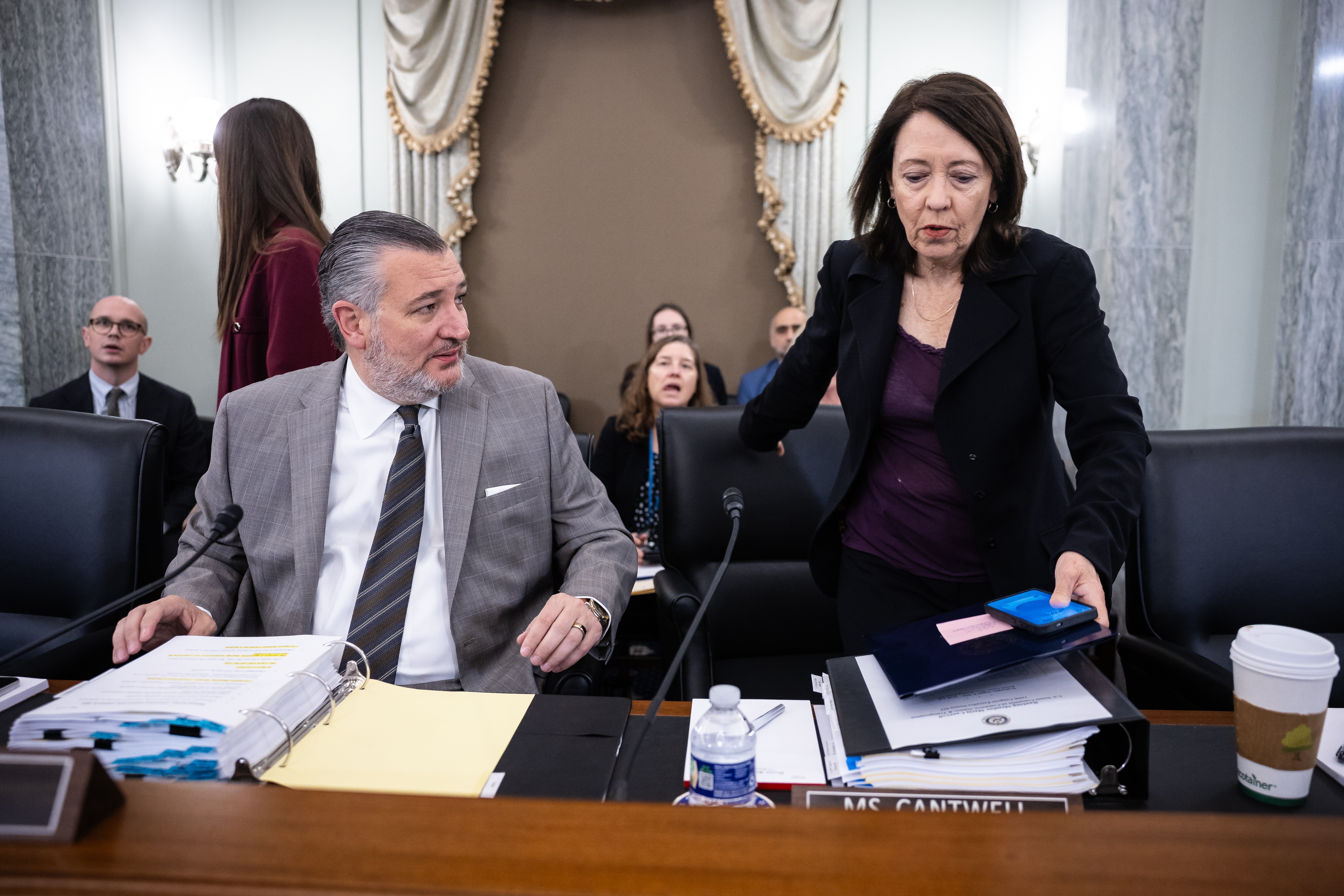
The bipartisan vote, which saw the panel approve the Kids Online Safety Act alongside a separate data privacy bill, marks the strongest congressional signal yet that lawmakers are willing to impose new legal duties on platforms like TikTok, Instagram, and YouTube.
The legislation would require tech companies to take reasonable measures to prevent harm to minors, including curbing addictive design features and limiting data collection from young users. It also mandates independent audits of platform risks and gives regulators new tools to enforce compliance. Supporters argue the measures are long overdue responses to a youth mental health crisis linked to social media use, citing internal industry research and testimony from former employees.
Yet the vote also lays bare a widening rift with the House, where a competing, less sweeping approach has stalled. House Energy and Commerce Committee leaders have signaled reluctance to embrace the Senate’s broad liability framework, favoring a narrower bill focused on data transparency and parental controls. That divergence leaves the future of any final law uncertain, even as the Senate panel’s action provides fresh momentum for advocacy groups and families who have lobbied for years.
A Divide Over Legal Exposure
At the heart of the disagreement is the question of how much legal exposure platforms should face. The Senate bill would create a new “duty of care” standard, allowing state attorneys general and the Federal Trade Commission to sue companies that fail to mitigate foreseeable harms to minors. Industry groups and some House Republicans argue that such language is overly broad, potentially leading to a patchwork of state enforcement and stifling innovation for smaller startups.
House leaders have instead floated a version that would preempt state laws, a provision the Senate package notably omits. That preemption clause is a red line for many Democrats and child safety advocates, who say it would weaken existing state-level protections. The standoff has effectively frozen progress in the lower chamber, despite public statements from Speaker Mike Johnson that protecting children online remains a priority.
Thursday’s committee vote was not without drama. Several amendments were debated, including one that would have weakened the duty of care standard, which failed along party lines. The final tally reflected a rare moment of unity on a tech issue, with Democrats and a majority of Republicans backing the measure, though a handful of GOP members dissented over concerns about federal overreach.
For the bill’s primary sponsors, Senators Marsha Blackburn and Richard Blumenthal, the vote is a vindication of a multiyear campaign that has weathered legal challenges from the tech industry and shifting political winds. They now face the harder task of convincing House counterparts to adopt a tougher stance, a prospect made more difficult by the chamber’s slim Republican majority and the approaching election cycle.
If the House fails to act, the Senate’s move may serve primarily as a symbolic rebuke, a statement of intent that could resonate in future court battles and state capitols. Several states, including California and Utah, have already enacted their own children’s online safety laws, creating a fragmented regulatory landscape that tech companies have long sought to avoid. The Senate’s vote, however, raises the stakes for those firms, signaling that federal intervention is no longer a hypothetical.