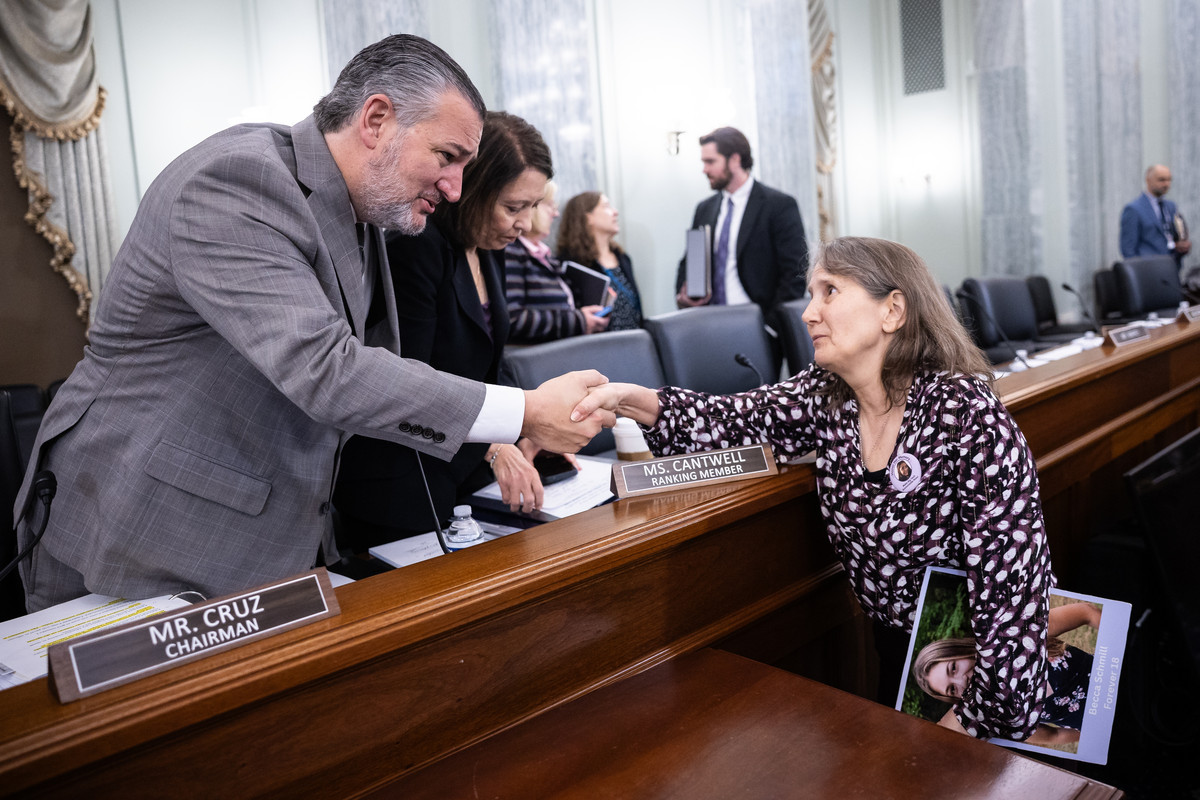
The bipartisan vote moves the measure, known as KOSA, closer to its first full Senate vote in years. The bill would require platforms to take reasonable steps to prevent and mitigate harms to children, including content promoting self-harm, eating disorders, and substance abuse, and would mandate that companies provide minors with options to protect their personal data.
Supporters argue the legislation is a necessary response to a youth mental health crisis linked to social media use, pointing to internal industry research and testimony from former employees that have documented the addictive design of popular apps. They cast the vote as a rare moment of congressional action on a technology sector that has largely escaped federal regulation.
The bill’s path forward, however, remains uncertain. Senate Majority Leader Chuck Schumer has not yet scheduled a floor vote, and a coalition of civil liberties groups and technology trade associations have mounted a vigorous opposition campaign, warning that the measure could lead to invasive age verification requirements and be weaponized to censor content related to LGBTQ issues or reproductive health.
Amendments and Alliances
In an effort to address those concerns, the bill’s sponsors, Senators Marsha Blackburn and Richard Blumenthal, introduced a revised version that narrows the definition of covered platforms and strengthens protections for minors’ access to information. The amendments were enough to secure the committee’s approval, but critics remain skeptical that the changes go far enough to prevent misuse.
The vote represents a significant victory for the bill’s bipartisan alliance, which has spent months negotiating with holdouts and industry lobbyists. It also signals a shift in the political winds, as lawmakers from both parties have grown increasingly willing to confront the tech industry over issues ranging from privacy to antitrust.
With the committee stage complete, attention now turns to the Senate floor, where the bill faces an uncertain future. A handful of senators have expressed concerns about the legislation’s potential unintended consequences, and any single holdout could delay a vote indefinitely in a chamber where unanimous consent is often required for expedited consideration.
If passed, the bill would represent the most significant federal action on child safety in the digital age, establishing a baseline of responsibility for platforms that have long operated with little oversight. For now, it remains a test of whether Congress can translate bipartisan frustration with Big Tech into enforceable law.