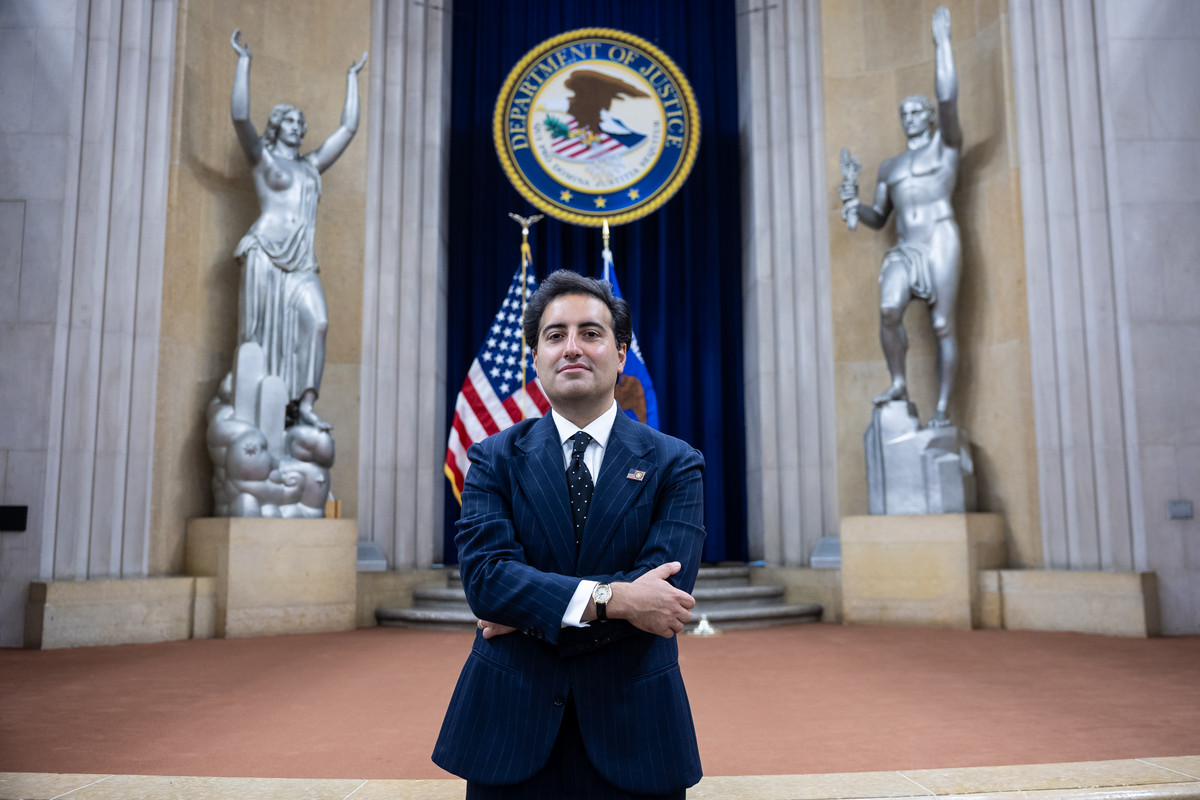
In an exit interview conducted just after his last day at the department late last month, Assefi pushed back against critics who say the Trump administration went soft on corporate consolidation, arguing instead that the division simply chose speed over spectacle.
Assefi, a longtime career prosecutor who twice served as acting chief of the division, oversaw some of the administration’s most consequential antitrust decisions. They included clearing the merger of Paramount and Warner Bros. Discovery, continuing litigation against Google, and negotiating a settlement with Live Nation. Now leaving for the private sector after the birth of his first child, he rejected the notion that those outcomes signaled a retreat from aggressive enforcement.
Under the Trump administration, Assefi said, the department prioritized what he called “instant relief” for consumers. That meant settling cases and approving deals with conditions rather than spending years litigating uncertain courtroom battles aimed at reshaping antitrust law, which he characterized as the approach of the prior administration. “The goal was to stop anticompetitive conduct quickly rather than punish companies for punishment’s sake,” he said.
Critics have pointed to the Paramount-Warner Bros. merger as evidence that the administration abandoned its campaign promises of tougher scrutiny. Assefi defended the decision, noting that the deal underwent more than eight months of vigorous review. “The Trump administration’s view is to give mergers a very, very rigorous review, but I think the goal is not just to block mergers for the sake of blocking them,” he said.
Assefi also forcefully dismissed a report that political leadership overruled career staff during the Paramount merger review. A former career prosecutor himself, he said he knows what it looks like when staff push back against leadership and insisted that never happened. “Just not accurate,” he said of the allegation.
Trump’s Role and Influence
Amid persistent questions about whether President Trump personally shaped high-profile antitrust decisions, Assefi said he never saw the president direct the outcome of a case. Instead, he said, Trump’s influence was felt only in pressing the department to move faster to reach final decisions. Assefi described that pressure as a push for efficiency rather than a thumb on the scale for any particular party.
Assefi’s departure marks the end of a turbulent period for the Antitrust Division, which has been caught between the administration’s stated hostility to corporate power and the practical realities of deal making. Whether his successor will maintain the same philosophy of prioritizing settlements over litigation remains an open question as the division continues to navigate high-stakes cases against the country’s largest technology and media companies.