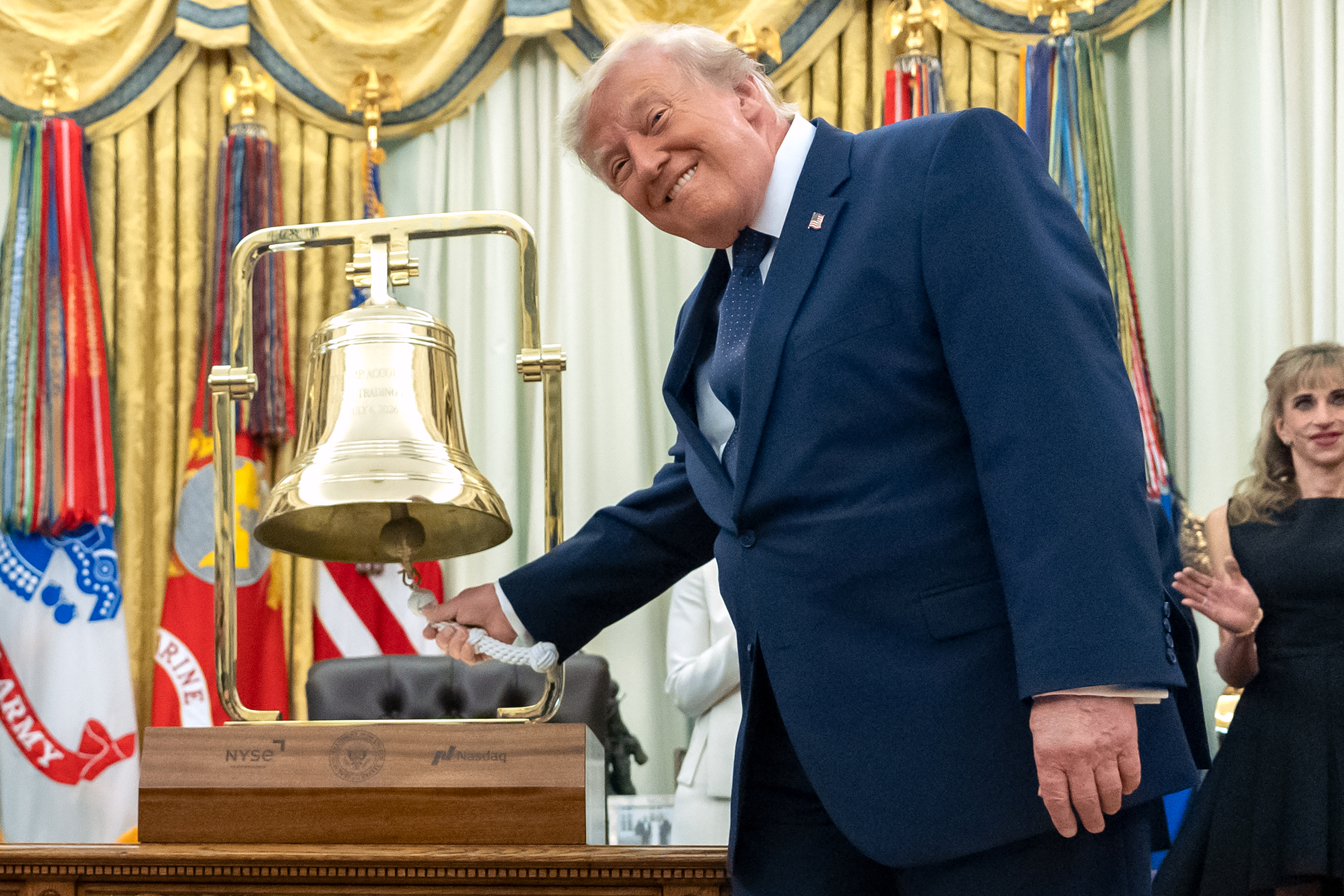
The moment crystallized a truth that many American investors had been slow to grasp: the political drama unfolding 3,000 miles away in Westminster was no longer a distant curiosity but a direct threat to their own portfolios.
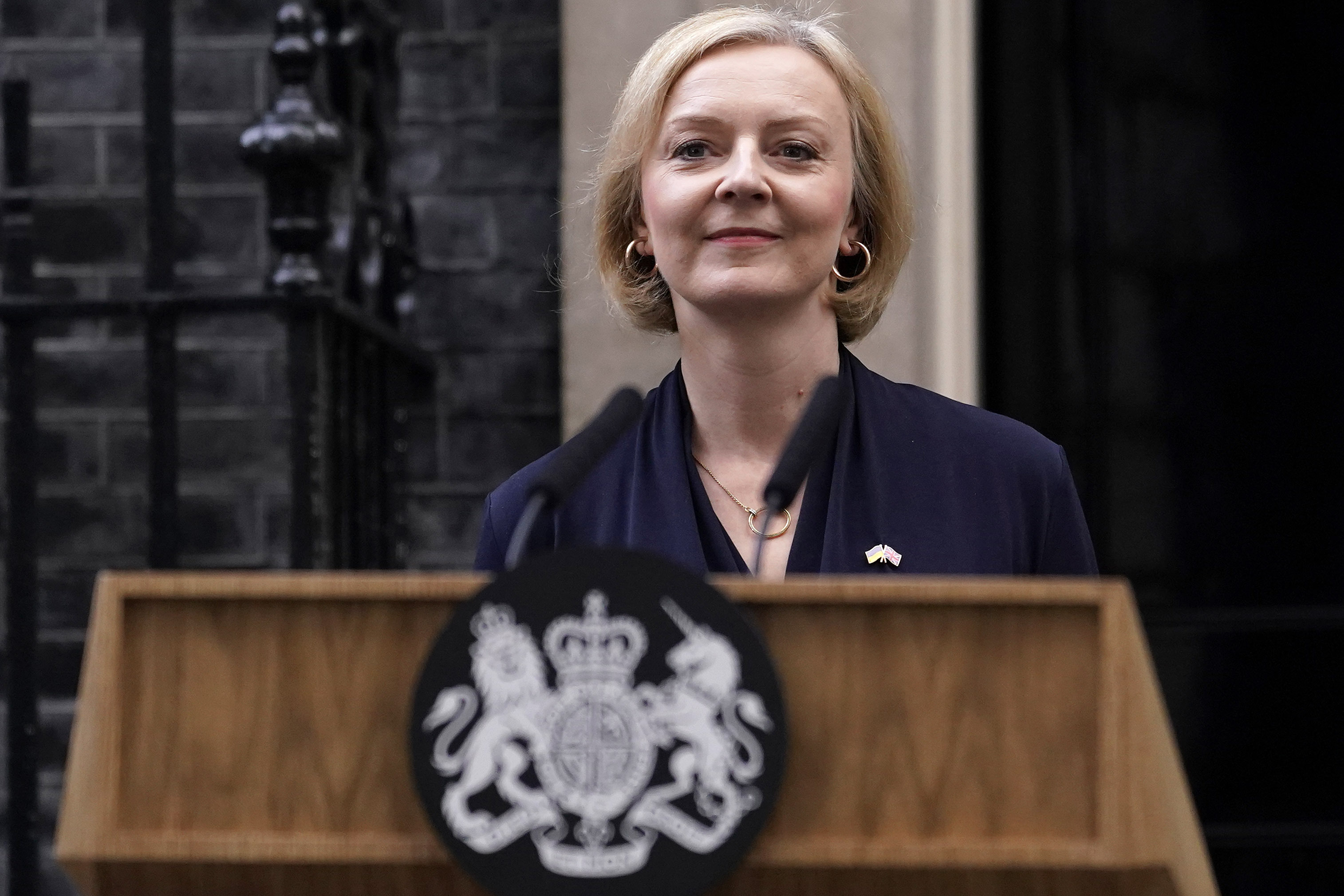
The chaos unleashed by former British Prime Minister Liz Truss and her chancellor’s mini-budget last September did not stay contained in the United Kingdom. The resulting spike in British gilt yields triggered a cascade of margin calls that forced pension funds to dump assets, including U.S. Treasury bonds. That sell-off pushed American borrowing costs higher at a moment when the Federal Reserve was already struggling to tame inflation, creating a transatlantic feedback loop of financial instability.
For American households, the most immediate consequence has been a subtle but measurable tightening of credit conditions. Mortgage rates in the United States, which had already been climbing, received an additional jolt from the British turmoil. Lenders in cities from New York to Los Angeles began repricing risk more aggressively, adding hundreds of dollars to monthly payments for prospective homebuyers who had nothing to do with the political crisis in London.
The episode has also reshaped the political calculus in Washington. Lawmakers on both sides of the aisle have watched the Truss debacle as a cautionary tale about the dangers of unfunded tax cuts pursued in a high-inflation environment. Republican fiscal hawks, who had been quietly preparing their own supply-side proposals, have pulled back, wary of being branded with the same brush as the failed British experiment. Democratic leaders, meanwhile, have used the crisis to argue for fiscal restraint, pointing to the swift punishment meted out by bond markets.
Beyond the immediate market tremors, the Truss era has permanently altered the relationship between the U.S. dollar and the pound. The dollar has strengthened considerably against its British counterpart, making American exports more expensive and giving a competitive edge to European and Asian goods. For American manufacturers and farmers, this currency shift has eroded profit margins and reduced demand from overseas buyers who now find U.S. products priced out of reach.
The broader lesson for American policymakers is that in a deeply interconnected global financial system, no nation’s economic misstep occurs in isolation. The Truss government’s 49-day tenure may have been the shortest in British history, but its aftershocks continue to reverberate through American bond markets, mortgage rates, and political discourse. The question now is whether Washington has absorbed the warning or is destined to repeat it.