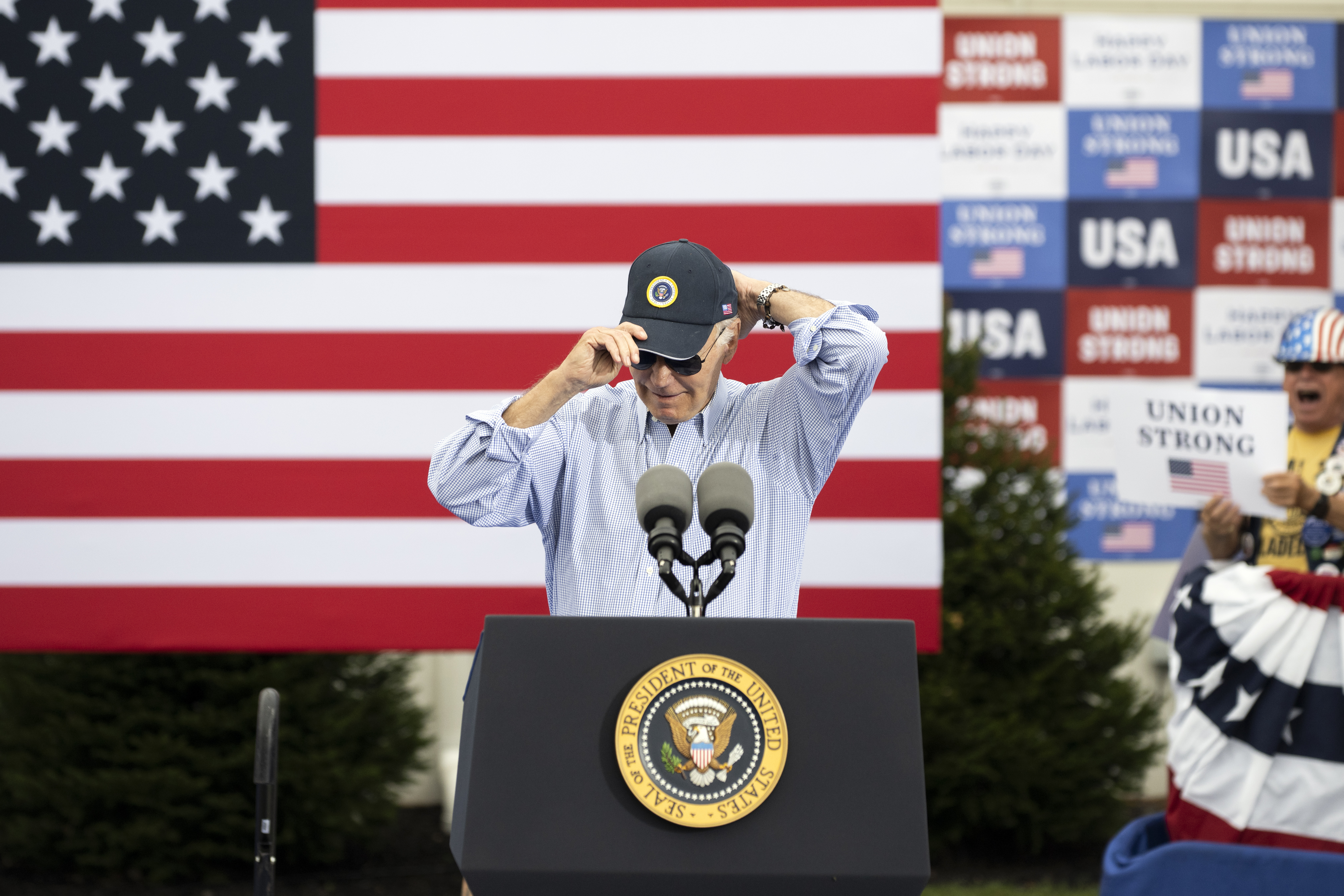
The sun beat down on the fairgrounds as he shook hands and smiled, projecting the confidence of a leader convinced the numbers are on his side.
Yet a fresh poll released the same day tells a starkly different story. The survey, conducted by a major national outlet, found that a majority of Americans still disapprove of the president’s handling of the economy, a persistent disconnect between the administration’s upbeat messaging and the lived experience of many households. The findings underscore a central challenge for Mr. Biden as he enters the final stretch of his reelection campaign.
The president’s Labor Day appearance was carefully staged to highlight what his team calls “Bidenomics,” a term meant to rebrand a suite of policies including the CHIPS and Science Act and the Inflation Reduction Act. Administration officials argue that these laws have spurred billions in private investment and created hundreds of thousands of construction and manufacturing jobs, particularly in battleground states like Pennsylvania.
But the poll indicates that voters remain skeptical. When asked about the national economy, respondents cited persistent inflation, elevated interest rates, and the high cost of everyday goods as reasons for their dissatisfaction. Even as the Consumer Price Index has cooled from its 2022 peak, prices for groceries, rent, and gasoline remain well above pre-pandemic levels, eroding the purchasing power of many middle and working class families.
Wage Growth vs. Sticker Shock
While the administration points to wage gains that have outpaced inflation over the past year, the poll suggests that voters are not yet feeling that relief in their wallets. Economic analysts note that it often takes months for such trends to register in consumer sentiment, and that the psychological impact of two years of high prices can linger long after the data improves.
The disconnect poses a tactical problem for the Biden campaign. In Philadelphia, the president sought to frame the choice for voters as one between a government that invests in the middle class and a Republican opposition that, he argued, would cut taxes for the wealthy and slash social programs. He did not directly address the poll numbers, instead repeating his mantra that “the American people are the greatest workers in the world.”
For now, the data suggests that message has not broken through. The poll found that approval of Mr. Biden’s economic stewardship remains stuck in the low 40s, a figure that has barely budged despite months of positive job reports and a stock market near record highs. With the election less than 14 months away, the president’s team is searching for a way to turn statistical progress into political trust.