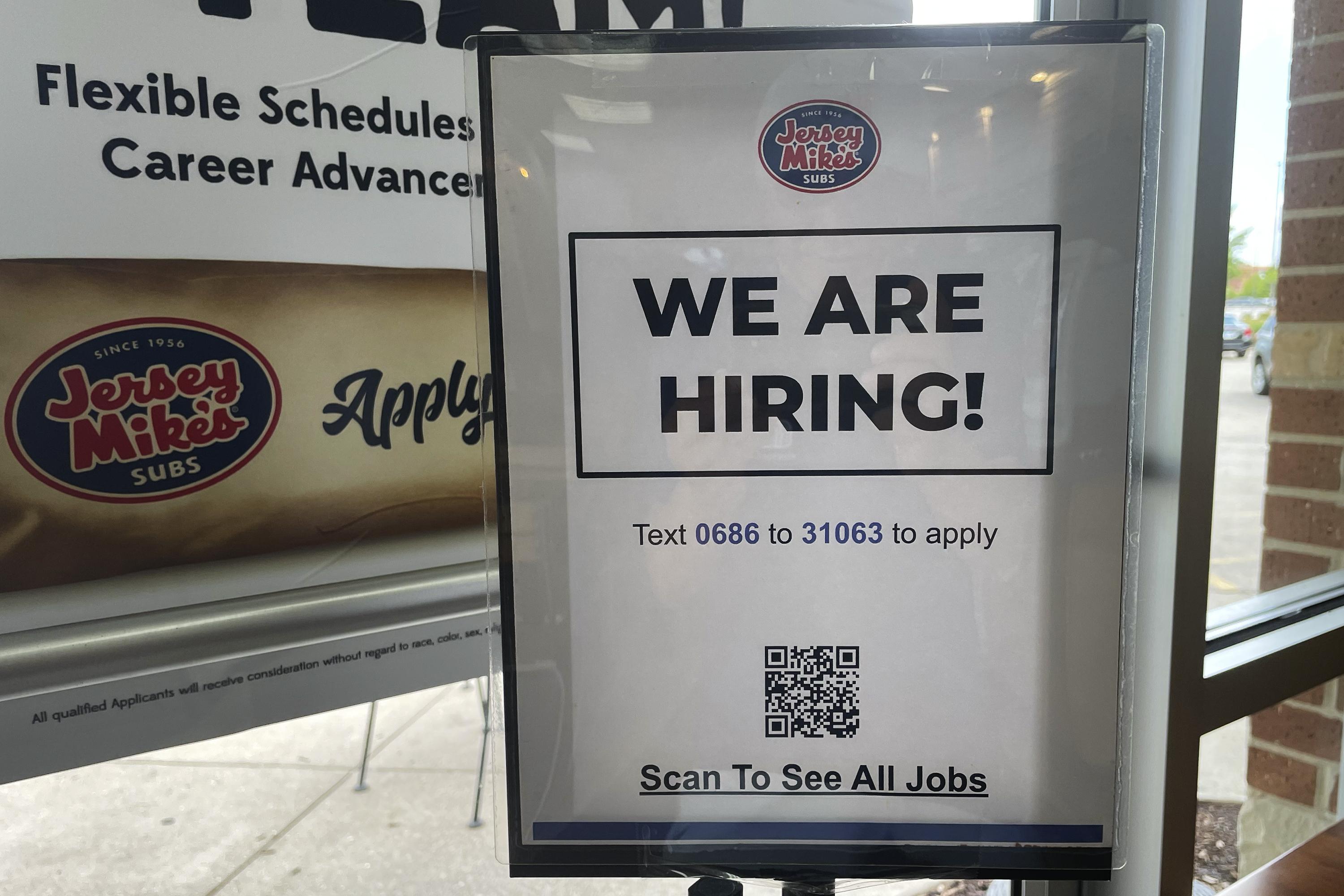
The latest figures from the Bureau of Labor Statistics, released Friday, showed the jobless rate rising from 3.5 percent to 3.8 percent, the highest since February 2022, though still low by historical standards.
The August payroll increase, while robust, marks a modest slowdown from the average monthly gains of the past year. Economists had been watching closely for signs that the Federal Reserve’s campaign of interest rate hikes was beginning to cool hiring more sharply. Instead, the data suggested a labor market that is gradually softening rather than collapsing, with employers in sectors such as health care and hospitality continuing to add workers.
Health care led the gains, adding roughly 71,000 jobs, while leisure and hospitality contributed about 40,000 new positions. Construction and social assistance also posted solid increases. However, the transportation and warehousing sector shed jobs, reflecting a post-pandemic normalization in shipping and logistics activity.
The rise in the unemployment rate was driven partly by an influx of new job seekers, a dynamic that can indicate growing confidence in the labor market. The labor force participation rate ticked up to 62.8 percent, its highest level since the early months of the COVID-19 pandemic. More Americans either found work or began looking for it, a trend that could help ease wage pressures over time.
Average hourly earnings rose 0.2 percent from July and were up 4.3 percent from a year earlier, a pace that remains above the Fed’s comfort zone but is gradually decelerating. The central bank has raised its benchmark interest rate 11 times since March 2022 in an effort to tame inflation, and policymakers have signaled that further increases may depend on incoming economic data.
Mixed Signals for the Fed
The August jobs report arrives at a critical juncture for the Federal Reserve, which must balance the risk of persistent inflation against the risk of tipping the economy into recession. While the headline job gain was solid, the uptick in unemployment and the cooling of wage growth could provide cover for the central bank to hold rates steady at its next meeting in September. Some economists cautioned, however, that the labor market remains tighter than before the pandemic, and that the Fed may need to see more definitive signs of a slowdown before declaring victory over inflation.
For American workers, the data painted a picture of a job market that remains favorable but is losing some of its edge. The number of people working part-time for economic reasons rose, and the average workweek edged down slightly, both indicators that employers are pulling back on hours. Still, layoffs remain low by historical standards, and the ratio of job openings to unemployed workers continues to favor job seekers.