The moment, described by two people familiar with the exchange, captured a growing frustration among the party’s rank and file. Democrats broadly support the substance of President Biden’s economic agenda, but they are increasingly anxious that the White House is losing the battle for public perception.
The tension comes as voters continue to give the economy negative marks despite a historically low unemployment rate, cooling inflation and steady wage gains. Internal party surveys and public polling alike show that many Americans remain pessimistic about their financial prospects, a disconnect that Democrats worry could cost them at the ballot box. One Democratic strategist involved in messaging discussions described the situation as “a good economy with a bad story.”
In private conversations with administration officials, lawmakers and party operatives have urged a more aggressive and simpler pitch. They want the White House to stop relying on complex statistics and instead frame the recovery around tangible benefits like lower prescription drug costs, new manufacturing jobs and investments in infrastructure. “People need to feel it in their wallets, not just read about it in a press release,” said a House Democratic aide who requested anonymity to discuss internal strategy.
Frustration Over a Muddled Message
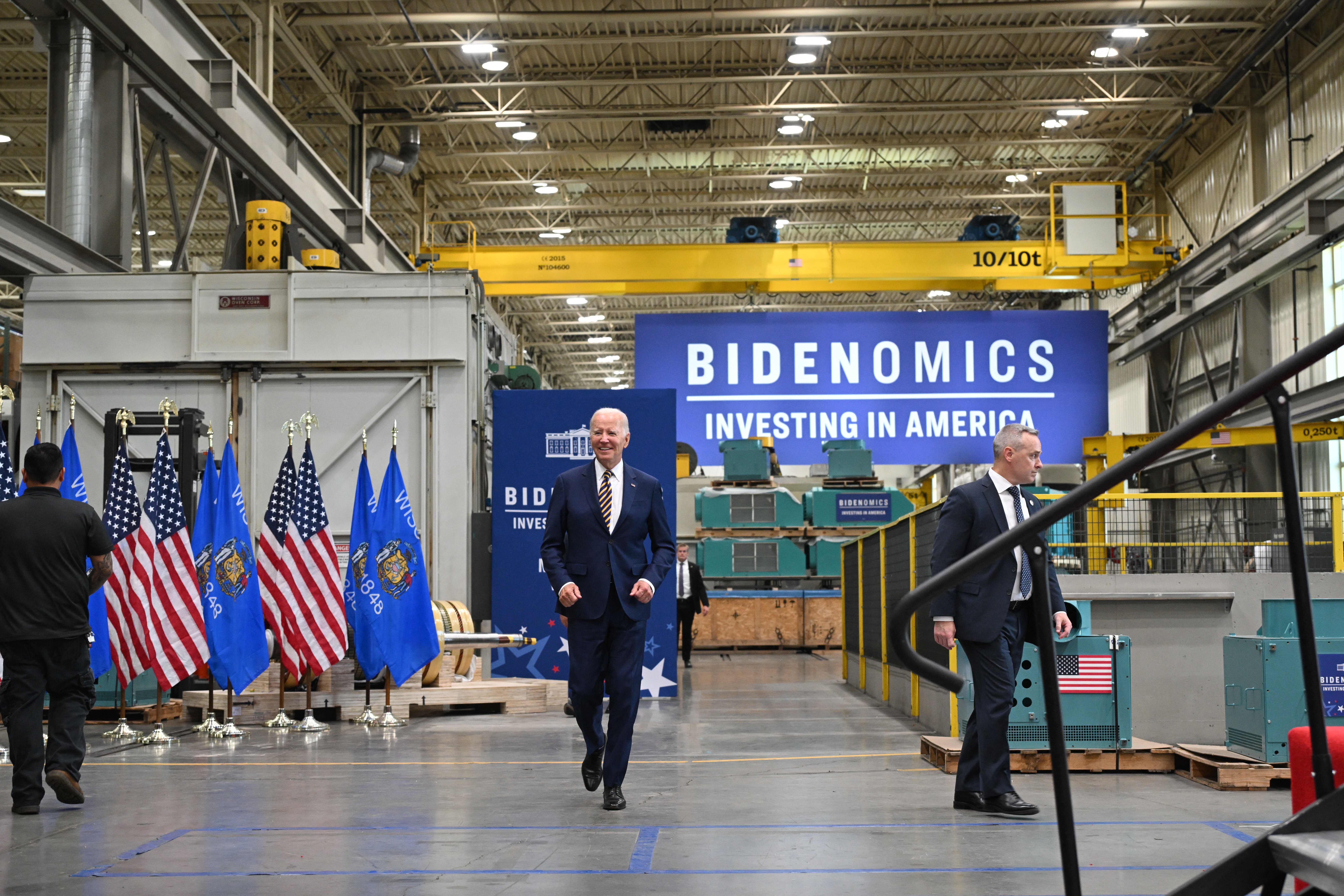
Some Democrats have pointed to what they see as a muddled communications strategy that too often cedes the narrative to Republican attacks. The White House has frequently touted “Bidenomics” as a branding effort, but the term has failed to gain traction with voters and has even been used derisively by critics. One Democratic pollster noted that focus groups often show voters associating the word with higher prices rather than job creation.
Administration officials acknowledge the challenge but have pushed back against the idea that the message is fundamentally flawed. They argue that economic sentiment is slow to shift and that the president’s policies are only now beginning to deliver results that will become more visible over time. Press Secretary Karine Jean-Pierre has repeatedly pointed to falling gas prices and rising consumer confidence as signs the message is working.
Yet the pressure is mounting as the 2024 election cycle intensifies. Several Democratic senators have begun delivering their own economic speeches, effectively bypassing the White House to craft localized versions of the recovery story. In battleground states, party committees are testing new ad campaigns that emphasize kitchen-table issues like childcare costs and student debt relief rather than macroeconomic indicators.
The underlying dynamic is a familiar one for the Biden administration: strong policy outcomes that fail to translate into political rewards. For now, Democrats are hoping that a sharper, more disciplined economic message can close that gap before voters head to the polls. As one veteran party strategist put it, “The numbers are on our side. The question is whether we can make people believe them.”