The shift in political winds has prompted a quiet but urgent recalibration among Washington’s most powerful fossil fuel advocates, who are bracing for a wave of subpoenas and investigative hearings.
The preparations reflect a broader recognition that Democratic chairmen, if they reclaim their gavels, intend to pursue an aggressive oversight agenda targeting the sector’s pricing practices, climate pledges and federal leasing operations. Lobbyists told colleagues in recent strategy sessions that they expect inquiries into allegations of price collusion and the gap between industry promises on emissions reductions and actual corporate behavior.
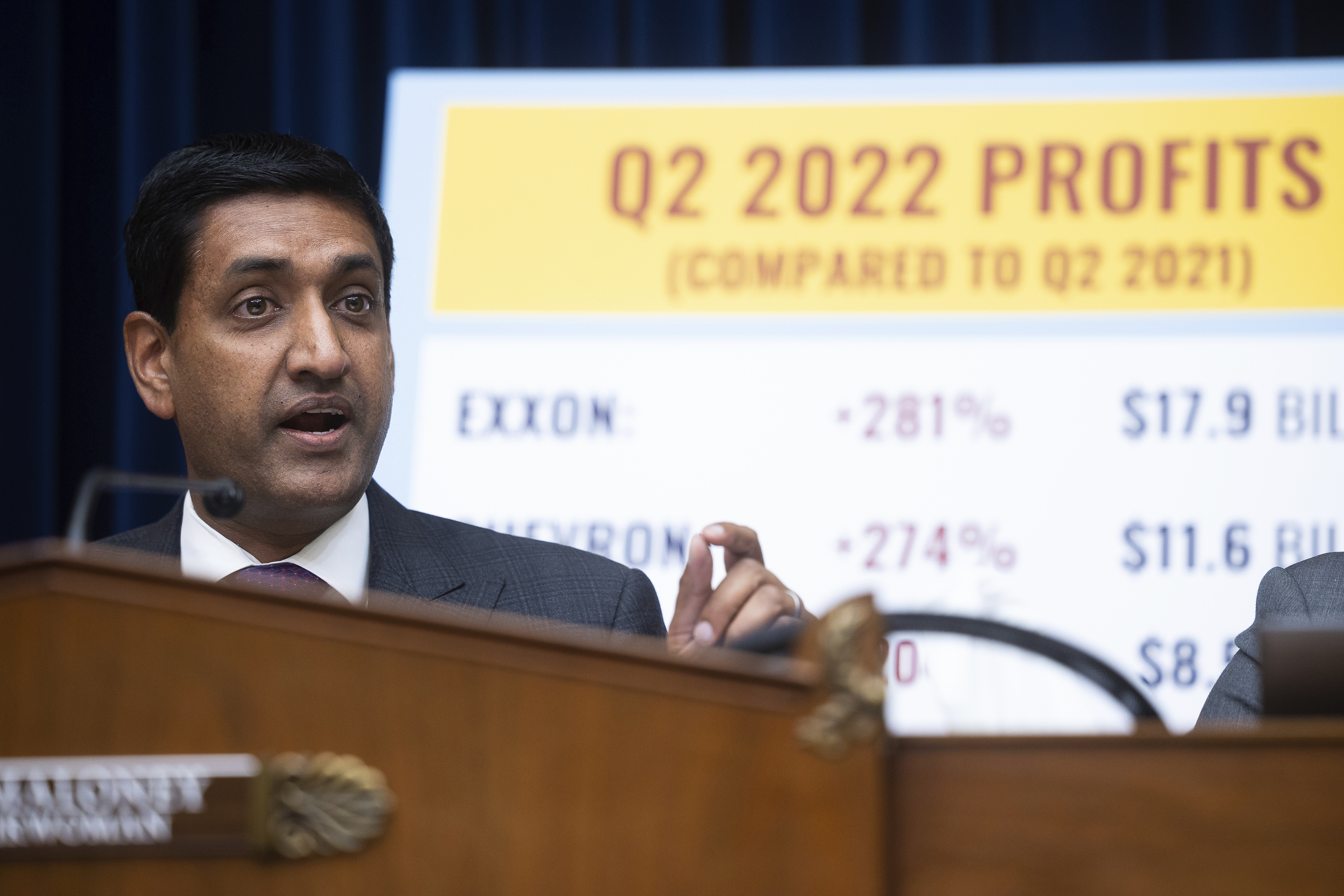
House Energy and Commerce Committee Democrats have signaled they would revive investigations into whether oil executives misled the public about climate science, a line of inquiry that stalled under Republican leadership. House Natural Resources Committee Democrats are also expected to scrutinize the pace and terms of oil and gas drilling on public lands, potentially calling executives to testify about unpaid royalties and environmental compliance.
Industry representatives have begun reviewing internal communications and compliance records to ensure they can respond quickly to document requests. “The playbook is being rewritten,” one energy lobbyist said, speaking on condition of anonymity to discuss internal preparations. “We are preparing for a very different kind of relationship with the majority.”
The lobbying push comes as Democrats have also proposed legislation to repeal certain tax breaks for major oil companies and to impose new fees on methane emissions. While such bills face long odds in a divided Senate, the oversight hearings themselves could generate damaging headlines and shift public opinion against the industry ahead of the 2026 midterm elections.
Crossing the Aisle for Cover
Some firms are quietly reaching out to moderate Democrats to build bipartisan defenses, hoping to blunt the most aggressive investigative tactics. Others are expanding their government affairs teams with former Democratic staffers who understand the committee dynamics and can navigate the coming interrogations. The cost of such preparations is already running into the millions, according to people familiar with the matter.
Environmental groups, meanwhile, are pressing Democratic leaders to move quickly once committees are organized, arguing that years of Republican oversight have allowed the industry to operate with minimal accountability. “The window for action is narrow, but the evidence is already on the table,” one senior Democratic aide said. For now, K Street is watching the election returns as closely as any political operative, knowing that a single shift in the majority could transform its clients from policy influencers into investigation targets.