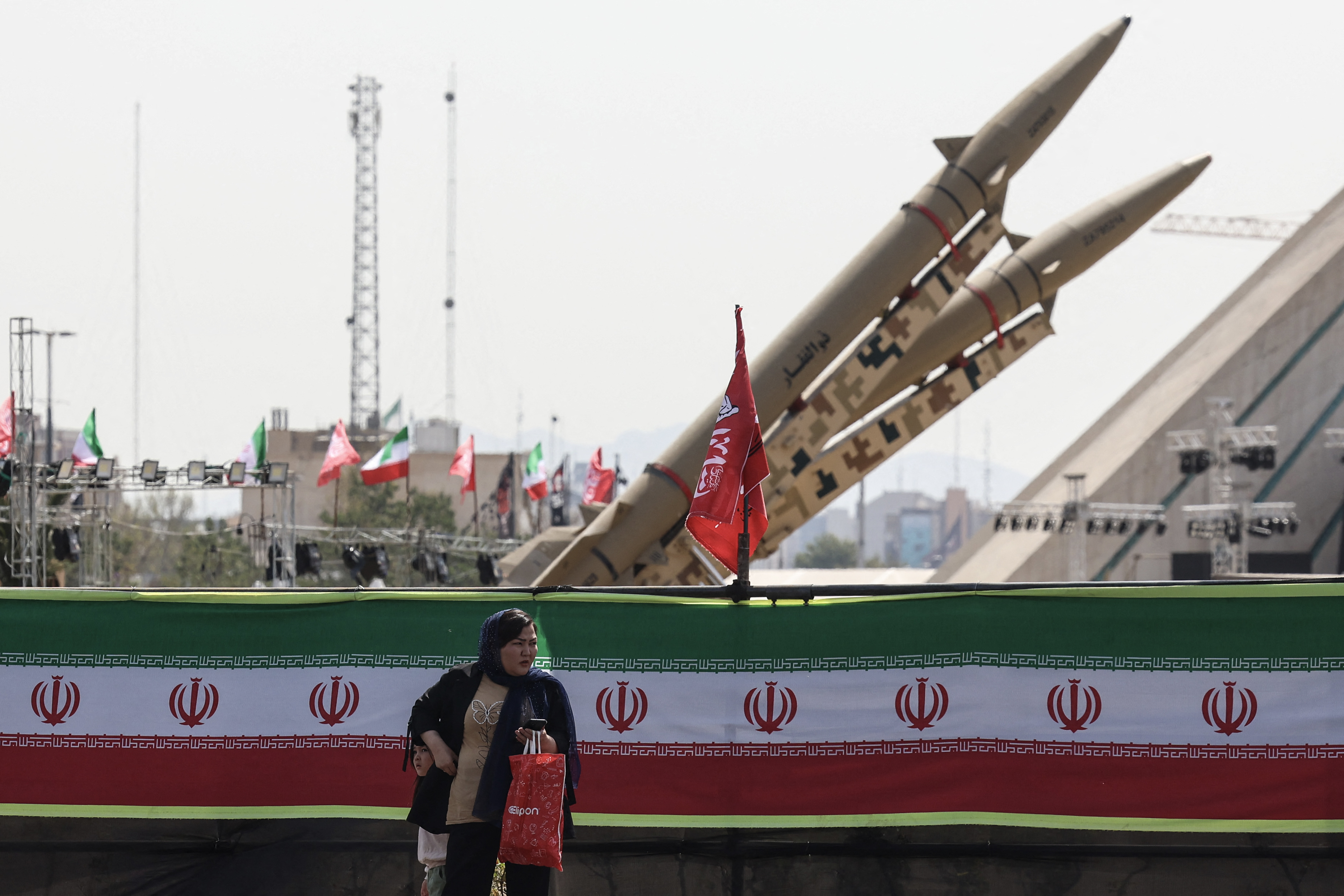
The attack, which U.S. Central Command described as an “attempted surprise attack,” was ultimately repelled by a combination of Patriot batteries and electronic warfare countermeasures, with no American casualties reported.
The strike represents a significant escalation in a region already teetering on the edge of broader conflict. For weeks, Washington and Tehran had operated under a fragile understanding brokered through Omani intermediaries, an arrangement that had effectively frozen hostilities since late last year. That framework, however, fell apart in early March when Iranian-backed militias resumed harassing U.S. convoys in Iraq and Syria, prompting a series of retaliatory airstrikes by the Pentagon.
“This was not a symbolic show of force. This was a deliberate attempt to inflict mass casualties on American personnel,” a senior defense official told The Chronicle Page, speaking on condition of anonymity to discuss operational details. The official noted that the attack involved a coordinated salvo of Shahed-136 loitering munitions and medium-range ballistic missiles, a combination Tehran has previously reserved for strategic targets in Saudi Arabia and Israel.
The timing of the assault appears calculated to exploit a perceived moment of American vulnerability. U.S. intelligence agencies had warned in recent days that Iran might seek to test the Biden administration’s resolve while Washington remains preoccupied with the ongoing crisis in Ukraine and the escalating humanitarian disaster in Gaza. CENTCOM confirmed that the attack originated from launch sites inside Iranian territory, a detail that distinguishes this incident from the proxy strikes the U.S. has faced for years.
Collapse of the Backchannel
Diplomatic sources familiar with the now-defunct framework say the deal’s unraveling was hastened by Tehran’s insistence on linking any renewed truce to concrete progress on nuclear negotiations, a condition the White House was unwilling to meet. The backchannel, which had been kept deliberately vague to allow both sides political cover, required Iran to rein in its militia proxies in exchange for a partial easing of sanctions on Iraqi energy imports. When Iraq’s government failed to deliver on its end of the arrangement, Tehran blamed Washington directly.
“The Iranians viewed the peace not as a permanent arrangement but as a tactical pause to regroup and rearm,” said Dr. Laleh Khalili, a professor of Middle East politics at the University of Exeter. “They have now concluded that the United States is overextended and that a direct strike, even if unsuccessful, reshapes the psychological landscape of the conflict.” Khalili noted that the failed attack may paradoxically embolden hardliners in Tehran who argue that only overwhelming force can secure Iranian interests in the region.
The Pentagon has already begun repositioning additional naval assets to the Persian Gulf, including the deployment of the USS Dwight D. Eisenhower carrier strike group, which was originally scheduled to rotate out of the region next week. Meanwhile, the State Department issued a travel advisory warning American citizens in Iraq, Kuwait, and the United Arab Emirates to maintain a low profile and avoid large gatherings. No further diplomatic channels are currently open between the two capitals, raising the specter of a sustained cycle of retaliation that could draw in other regional powers.