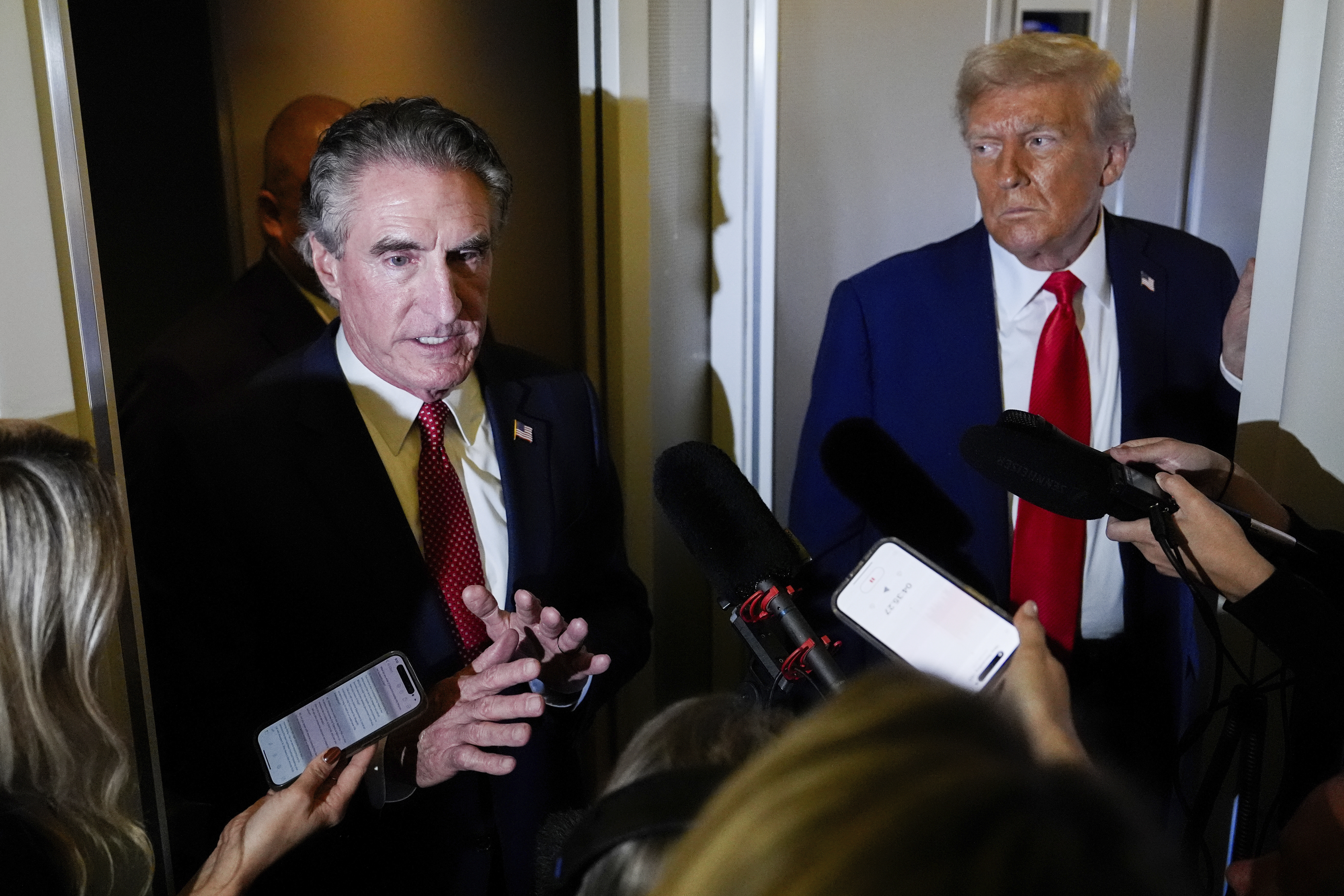
For many career staffers watching from their cubicles, the tirade was less a shock than a validation, the first public echo of a private frustration they had nursed for months.
Pirro’s broadside, delivered with the blunt force of a courtroom summation, accused Burgum of failing to deliver on the administration’s energy agenda. Yet inside the Department of the Interior, the discontent runs deeper and older than any single policy dispute. Employees have privately voiced anger over what they describe as a chaotic decision-making process, a lack of clear communication from the top, and a sense that the secretary has prioritized political optics over the agency’s core conservation and land-management missions.
The friction has been building since Burgum took the helm, according to multiple current and former staffers who have shared their grievances in internal channels. Morale has suffered under a leadership style that some describe as abrupt and dismissive of institutional knowledge. The secretary’s push to dramatically expand oil and gas leasing on federal lands, while popular with the White House, has collided with the career staff’s traditional role as stewards of those same acres, creating a persistent and unresolved tension.
An Agency at Odds With Its Leader
At the heart of the staff anger is a perception that Burgum has sidelined the department’s scientific and environmental expertise in favor of a streamlined, industry-friendly approach. Career officials have complained that their recommendations on environmental reviews and wildlife protections are routinely ignored or overridden. The result, they say, is a workplace where expertise is devalued and dissent is quietly punished, leading to a steady trickle of experienced personnel heading for the exits.
The public confrontation with Pirro, a prominent television personality and former district attorney, has now forced the simmering conflict into the open. Her criticism, focused on the administration’s failure to lower energy prices, landed at a delicate moment for Burgum, who has been tasked with selling an aggressive domestic drilling narrative. Staffers noted the irony that an outside commentator voiced what they had been saying internally for months, albeit from a different political angle, and that the secretary appeared to absorb the attack without a robust public defense of his own record.
For Burgum, the episode has become a test of his ability to manage both his political mandate and a restless federal workforce. The White House has so far offered no public signal of concern, and the secretary has continued his public schedule, touting lease sales and permitting reforms. But the disconnect between the administration’s messaging and the reality on the ground at Interior’s main building remains a fault line that shows no sign of healing.
The anger is not merely about policy direction; it is also about respect. Staffers have described a leadership team that rarely engages with the rank and file, skipping town halls and relying on a tight circle of political appointees. This has fostered a climate of uncertainty, where longtime employees feel their careers are hostage to a political cycle they do not control. The Pirro segment, viewed by many as a humiliating public dressing-down of their boss, has paradoxically become a moment of solidarity for a workforce that feels unheard.
As the Interior Department barrels toward another quarter of aggressive leasing targets, the question of whether Burgum can repair the breach with his own staff remains open. The secretary’s allies argue that his approach is necessary to fulfill a clear electoral mandate, and that resistance from the bureaucracy is an obstacle to be managed, not a grievance to be healed. But for the employees who have spent months stewing in silence, the only change Pirro’s outburst has brought is a rare, public confirmation that their frustration is not misplaced.