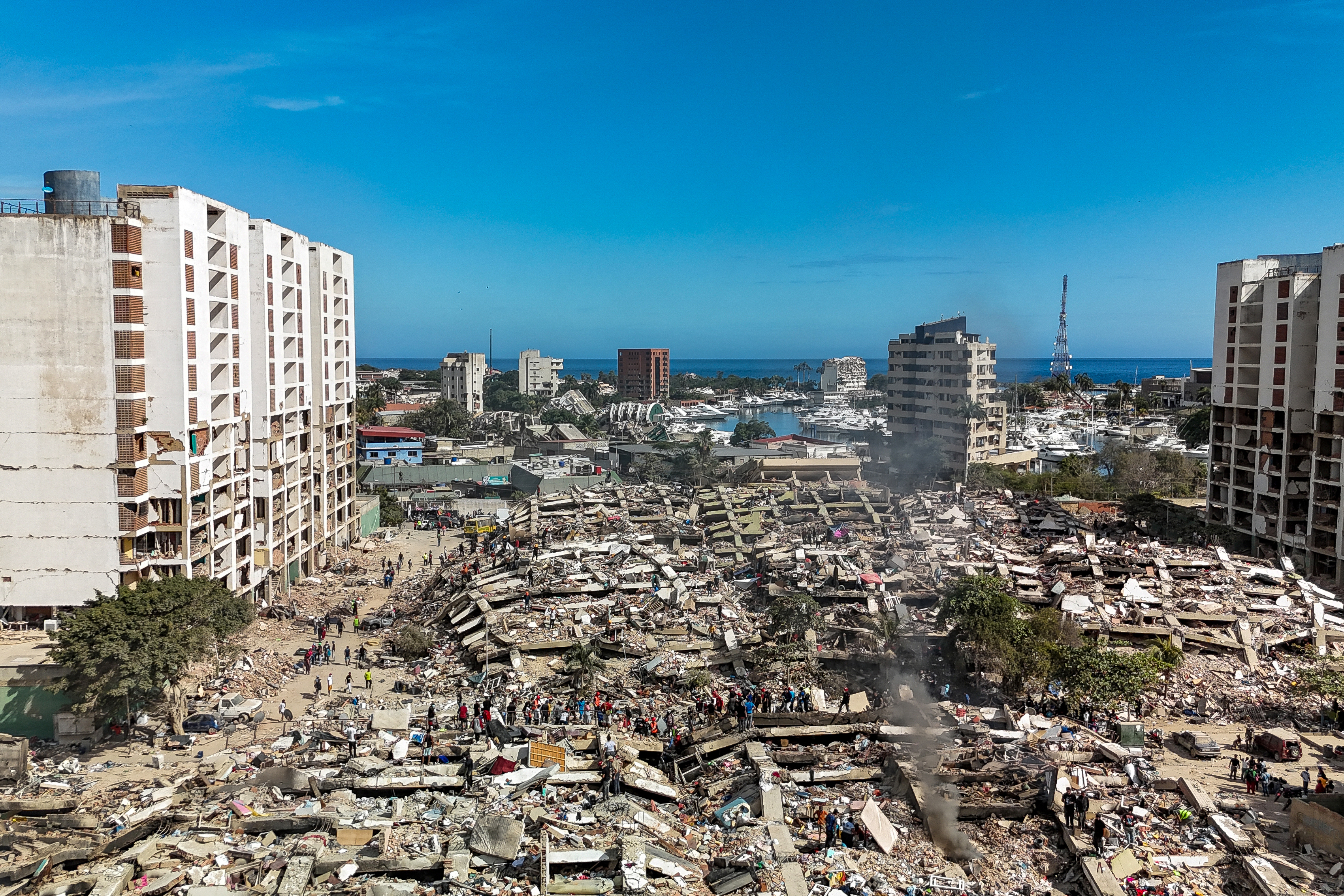
Four weeks after the 6.8 magnitude earthquake tore through this coastal region, the bodies of the missing remain entombed beneath the debris, and the relatives who survived are still digging with their bare hands, their shovels bent and broken against the rebar.
Their desperation stands in stark contrast to the promises made in the immediate aftermath of the disaster. Within days, Washington had announced a package of humanitarian aid and emergency response teams, a swift show of support intended to signal a new era of engagement with the crisis-stricken nation. Yet on the ground, the operation has failed to materialize at the scale or speed that was advertised, leaving a credibility gap that is becoming harder to ignore.
The initial U.S. response was, by all accounts, a diplomatic victory. It was a rare moment of cooperation in a fractured relationship, with officials on both sides welcoming the assistance as a sign of pragmatic de-escalation. But the logistical reality has since soured that narrative. The heavy machinery needed to lift the concrete and the cadaver dogs required to locate the dead were never deployed in sufficient numbers, and what did arrive was delayed by bureaucratic hurdles and a lack of pre-positioned infrastructure.
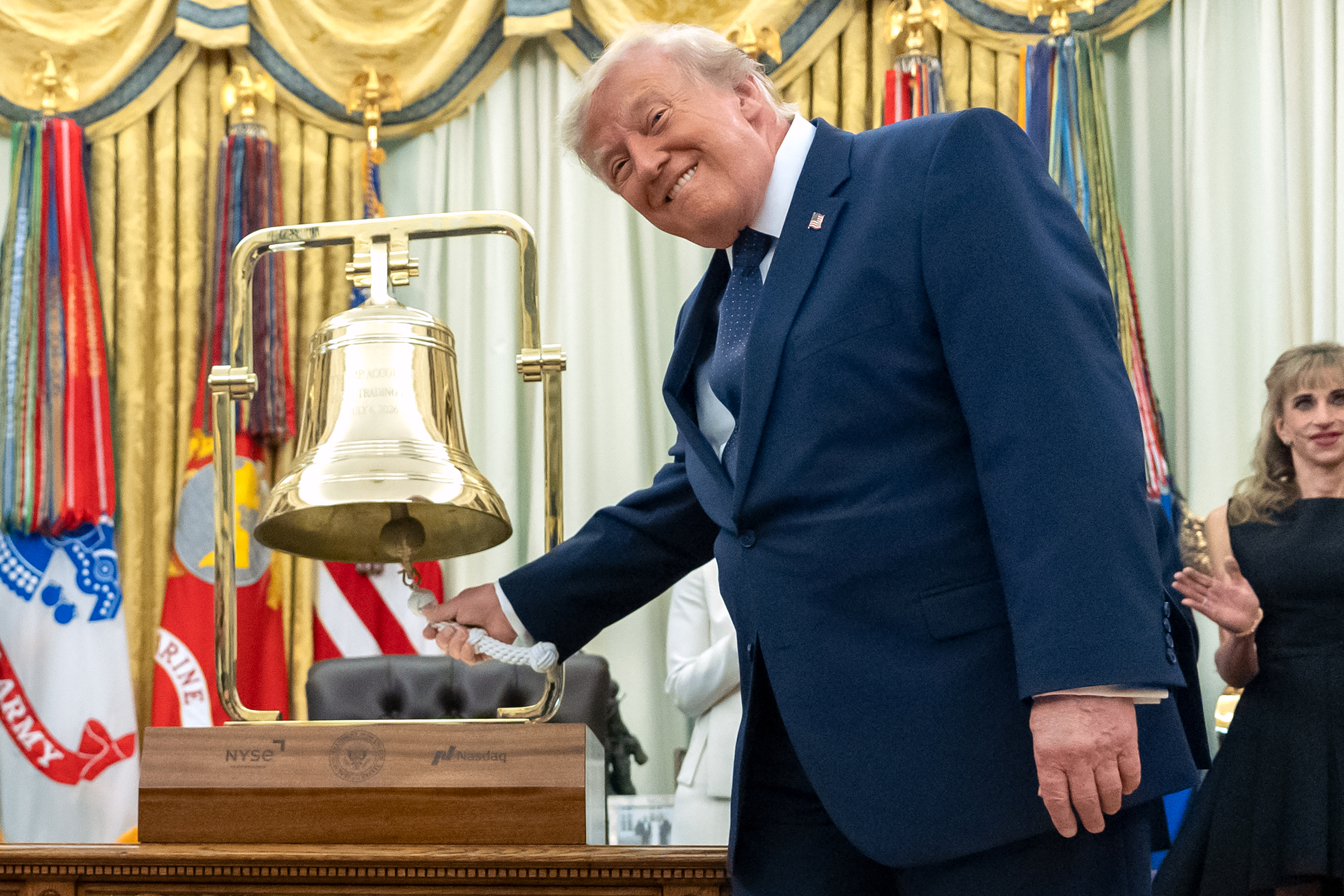
“It wasn’t part of Trump’s plans,” one aid coordinator on the ground said, speaking on condition of anonymity to describe the friction between the White House’s geopolitical objectives and the operational needs of a disaster zone. The comment reflects a growing sentiment among international responders that the mission was conceived as a photo opportunity rather than a sustained relief effort, prioritizing the optics of goodwill over the grim, unglamorous work of recovery.
Digging for the Missing
As the weeks have dragged on, the focus has shifted from rescue to retrieval, a transition that has only widened the gap between expectation and reality. In the absence of official support, local volunteers have formed bucket brigades, passing rubble hand-to-hand in a desperate attempt to reach the estimated dozens still missing. The lack of heavy lifting equipment has turned the search into a slow, agonizing process, with each shift of debris raising hopes that are often dashed by the discovery of another body.
The failure to deliver on the initial promise has not gone unnoticed in Caracas, where officials have begun to frame the U.S. presence as performative. While they have not formally revoked the aid agreement, the tone has shifted from gratitude to quiet reproach, with state media highlighting the contrast between the American fanfare and the empty streets where the cranes were supposed to be. This narrative is gaining traction among a population that has learned to be skeptical of foreign intervention.
For the families sifting through the ruins, the geopolitics are an abstraction. They are not asking for grand gestures or strategic partnerships; they are asking for a backhoe. The U.S. credibility, so carefully cultivated in the first 48 hours of the crisis, is now being measured in the only currency that matters here: the speed with which the dead are given a proper burial and the living are given a chance to rebuild.
The window for a meaningful intervention is closing. As the search shifts definitively from rescue to recovery, the equipment that could have saved lives is now only useful for clearing lots. The United States came to Venezuela with a promise of competence and care, but it is leaving behind a legacy of half-measures, a cautionary tale of how quickly a humanitarian triumph can dissolve into a public relations failure when the cameras leave and the work remains.