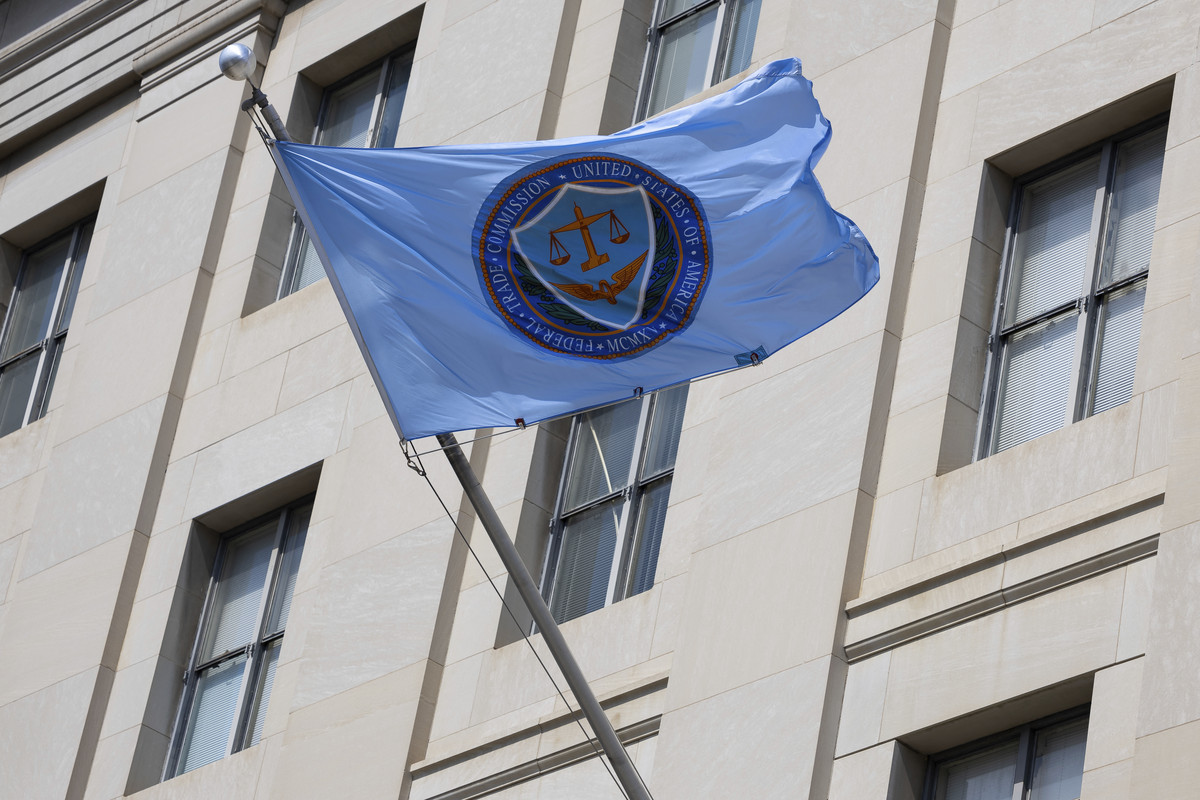
The Republican-led inquiry, dispatched under the letterhead of Committee Chair Brett Guthrie of Kentucky, marks the opening salvo in a legislative effort to reimagine the 111-year-old antitrust and consumer protection watchdog. The committee is seeking input on reforms that would ensure the commission's "authorities and structures are fit for purpose in today's changed landscape," according to the document.
The request arrives after a landmark ruling in June that dramatically expanded presidential control over the commission, upending decades of precedent regarding its independence. That decision, combined with a series of court losses challenging the FTC's rulemaking authority, has created what committee leaders describe as a fundamentally altered legal environment for the agency.
During the Biden administration, the FTC pursued an aggressive regulatory and enforcement agenda that drew sharp criticism from Republican lawmakers and business groups. Industry advocates have long argued that the commission overstepped its statutory bounds, particularly in its approach to merger oversight and consumer protection rules.
The committee's questions probe the foundational structure of the agency, including whether its five-member bipartisan commission model remains workable. Lawmakers are also examining how the FTC's dual mission of antitrust enforcement and consumer protection should be balanced, and whether its administrative law judge system requires congressional intervention.
Scope of Review
The information request covers a broad spectrum of potential changes, from internal governance procedures to the extent of the commission's rulemaking latitude. The committee is soliciting views on what specific statutory updates might be necessary to align the agency with the judiciary's recent interpretations of its powers.
Observers note that the timing of the request positions the committee to draft legislation in the coming months, potentially setting up a major confrontation over the future of federal consumer protection. The FTC's defenders warn that any restructuring effort could weaken safeguards for consumers, while proponents argue that the agency must be brought back within constitutional bounds.
The committee's move reflects a broader conservative legal project to constrain independent federal agencies, a campaign that has found increasing favor in the courts. Responses to the request for information are expected to inform what could become the most significant statutory overhaul of the FTC since its creation in 1914.