The last-minute decision by Defense Secretary Pete Hegseth to cancel the deployment of 4,000 troops to the country has left Pentagon staff and European allies scrambling for answers, marking the latest abrupt personnel move to rattle relations across the Atlantic.
It was not immediately clear why Hegseth issued the halt order, according to three defense officials familiar with the matter. The decision comes as President Donald Trump has repeatedly expressed frustration with European allies over their refusal to support the U.S. military campaign in Iran, even as he has singled out Poland as a “model ally” for its relatively high defense spending.
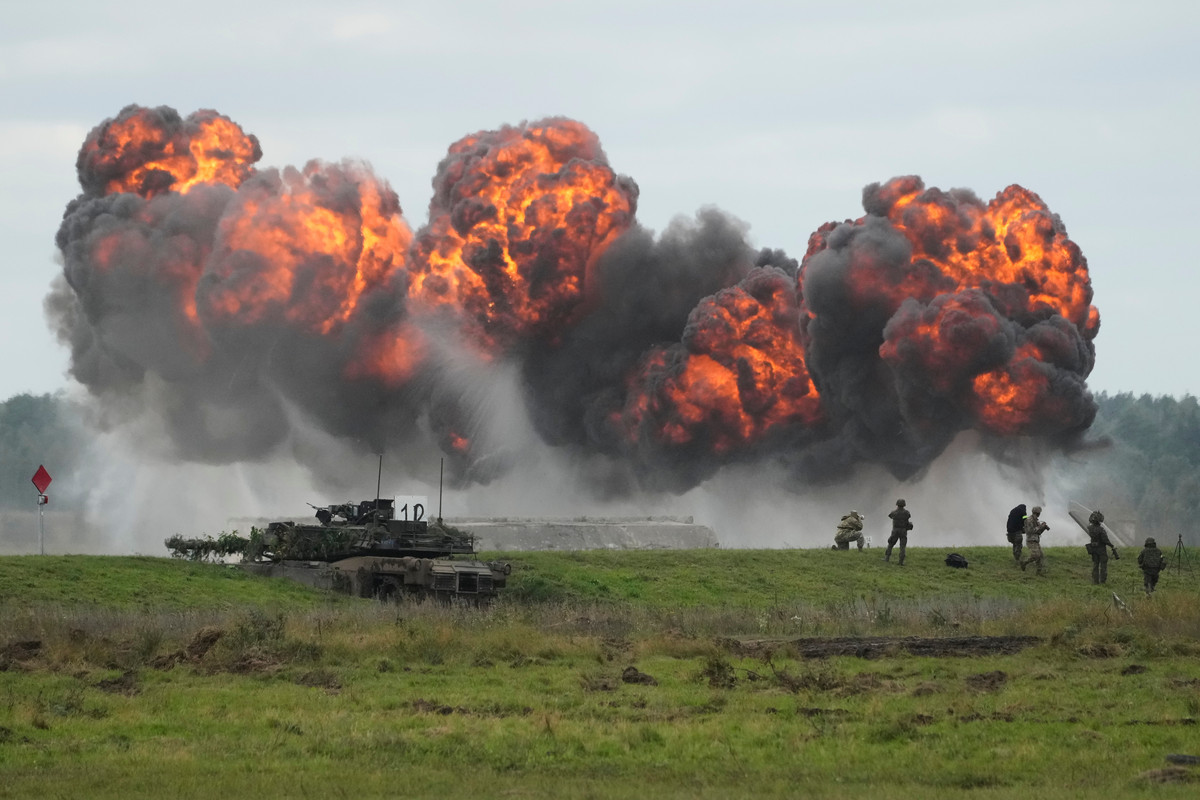
The cancellation was especially jarring because the troops, based in Texas, were preparing for a long-planned nine-month rotation that included training with NATO allies. “We had no idea this was coming,” one U.S. official said, adding that European and American officials have spent the last 24 hours on the phone trying to understand the rationale and assess whether further surprises are in store.
The move sent fresh waves of anxiety through European capitals and inside the Pentagon on Thursday, raising fears that such decisions could embolden Russia and leave allies questioning the reliability of American commitments. American troops stationed on the continent have long served as a key deterrent to Russian aggression, and the cancellation of a routine mission is highly unusual.
This is not the first such disruption. Earlier this month, Hegseth announced the Pentagon would withdraw 5,000 troops from bases in Germany, a decision that followed through on a threat Trump made after German Chancellor Friedrich Merz said the United States was “humiliating” itself with the conflict in Iran. That withdrawal remains in the planning stages, according to two of the officials, who like others spoke on condition of anonymity to discuss internal deliberations.
Deterrence in Doubt
The broader strategy behind the troop movements remains unclear. Trump has insisted that Europe will have to fend for itself, even as he has railed against allies’ opposition to the Iran war. The latest order suggests the president is serious about reducing the American military footprint on the continent. “The Army’s role in Europe is all about deterring the Russians, protecting America’s strategic interests and assuring allies,” said Lt. Gen. Ben Hodges, the former commander of the U.S. Army in Europe. “And now a very important asset that was coming to be part of that deterrence is gone.”