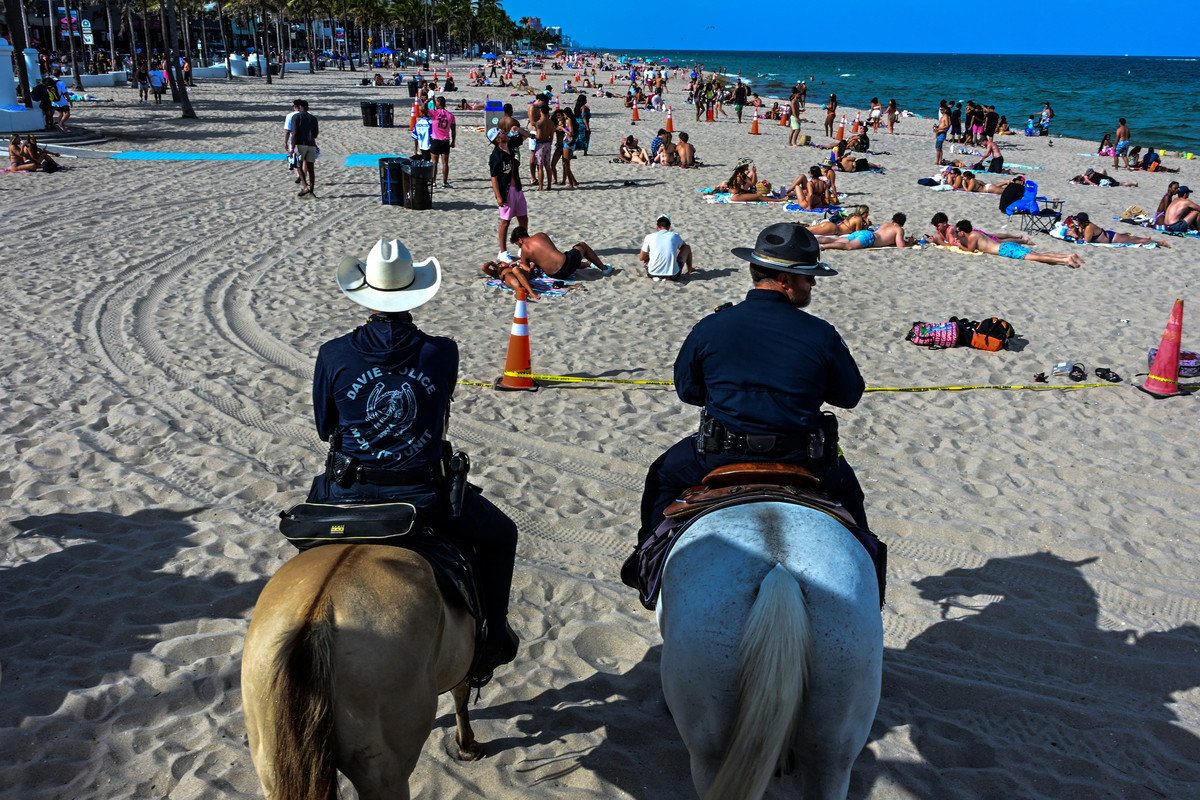
curfew for anyone under 21 and announce restricted access points. The scene is a quiet but deliberate front line in a statewide campaign.
Across Florida, iconic beach destinations are aggressively distancing themselves from the very spring break revelry they once courted. Rather than tolerate the seasonal surge of parties and crime, municipalities from the Panhandle to Fort Lauderdale are implementing strict bans and curfews. Their goal is to shed a rowdy reputation that risks scaring off the state’s growing base of year-round, higher-spending visitors.
“Spring break is not something we wanted,” said Panama City Beach Police Chief J.R. Talamantez. “It’s something that we just have to endure.” His city’s new rules, which also prohibit vacation rentals to anyone under 21, represent one of the most comprehensive crackdowns. The shift is a calculated economic gamble, trading a volatile, weeks-long boom for the promise of sustained stability.
The strategy follows a powerful proof of concept in Fort Lauderdale. After the city pioneered strict enforcement decades ago, it saw swanky beachfront hotels replace budget motels, attracting a different clientele. Other localities watched as that model delivered steady returns without the annual chaos, a lesson now being applied statewide as tourism numbers fully rebound.
Florida’s visitor count hit 143.3 million in 2025, nearly double the pandemic-era low. This resurgence, coupled with shifting travel trends, has solidified the state as a year-round destination. Hoteliers and local leaders, who once faced barren properties after March, now see more consistent occupancy, reducing the temptation to rely on disruptive seasonal crowds for a financial jolt.
A Delicate Balance for a Tourism Economy
The crackdowns are a delicate operation for an economy where tourism is the engine. State and local officials are feverishly working to maintain Florida’s fun, sun-and-sand image while avoiding the viral videos of brawls and overcrowding that threaten it. The aim is to market relaxation, not ragers, to a broader demographic.
This weekend will serve as a key test, particularly in Panama City Beach, where peak spring break crowds will encounter the new ordinances for the first time. Law enforcement agencies are on high alert, prepared to enforce the curfews and rental bans rigorously.
The long-term calculation is clear. By prioritizing control and quality over sheer volume, Florida’s coastal communities are betting that protecting their locale’s brand is the surest path to lasting economic health. The success of this statewide image recalibration will be measured not just in quiet beaches this March, but in hotel ledgers throughout the coming fall and winter.