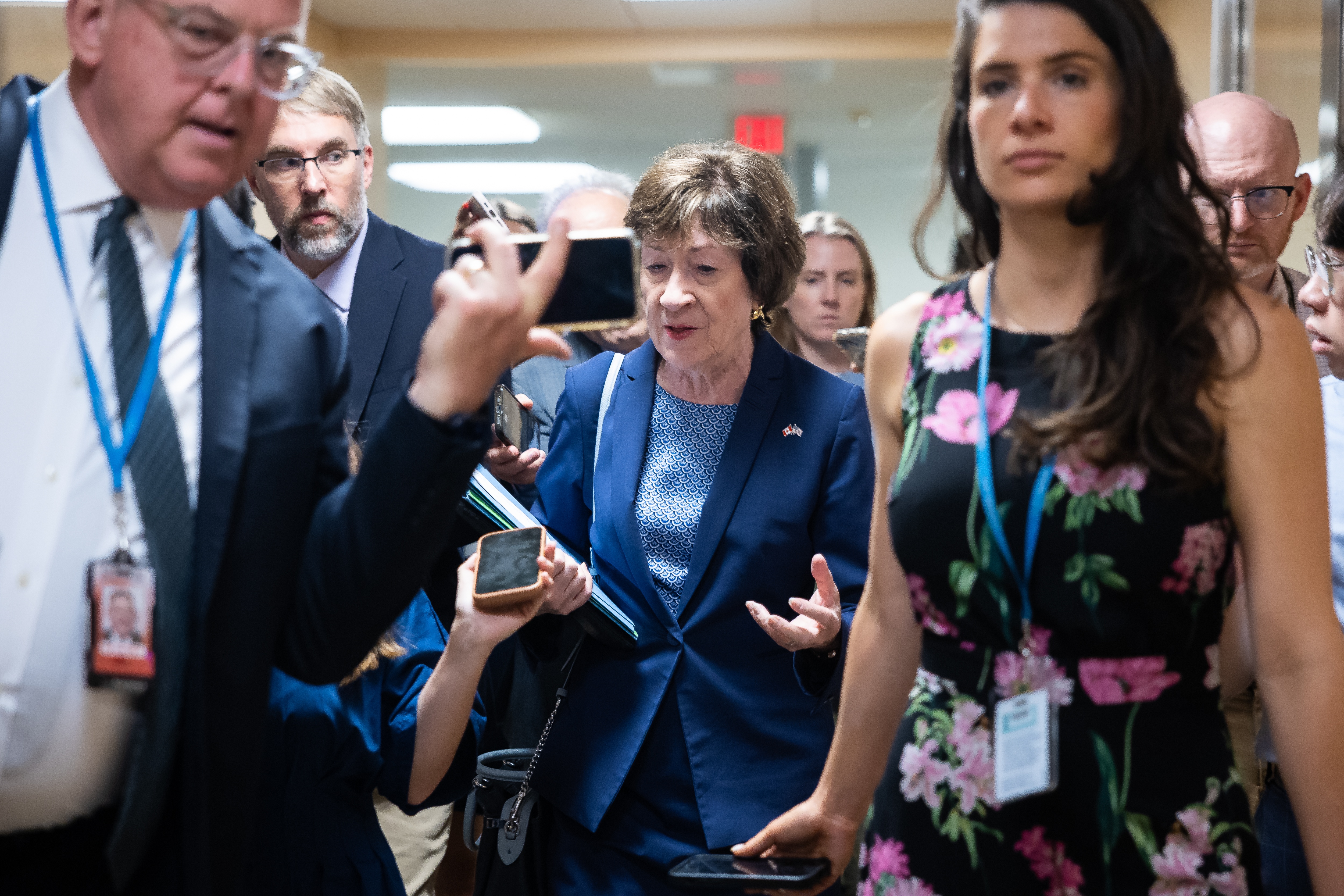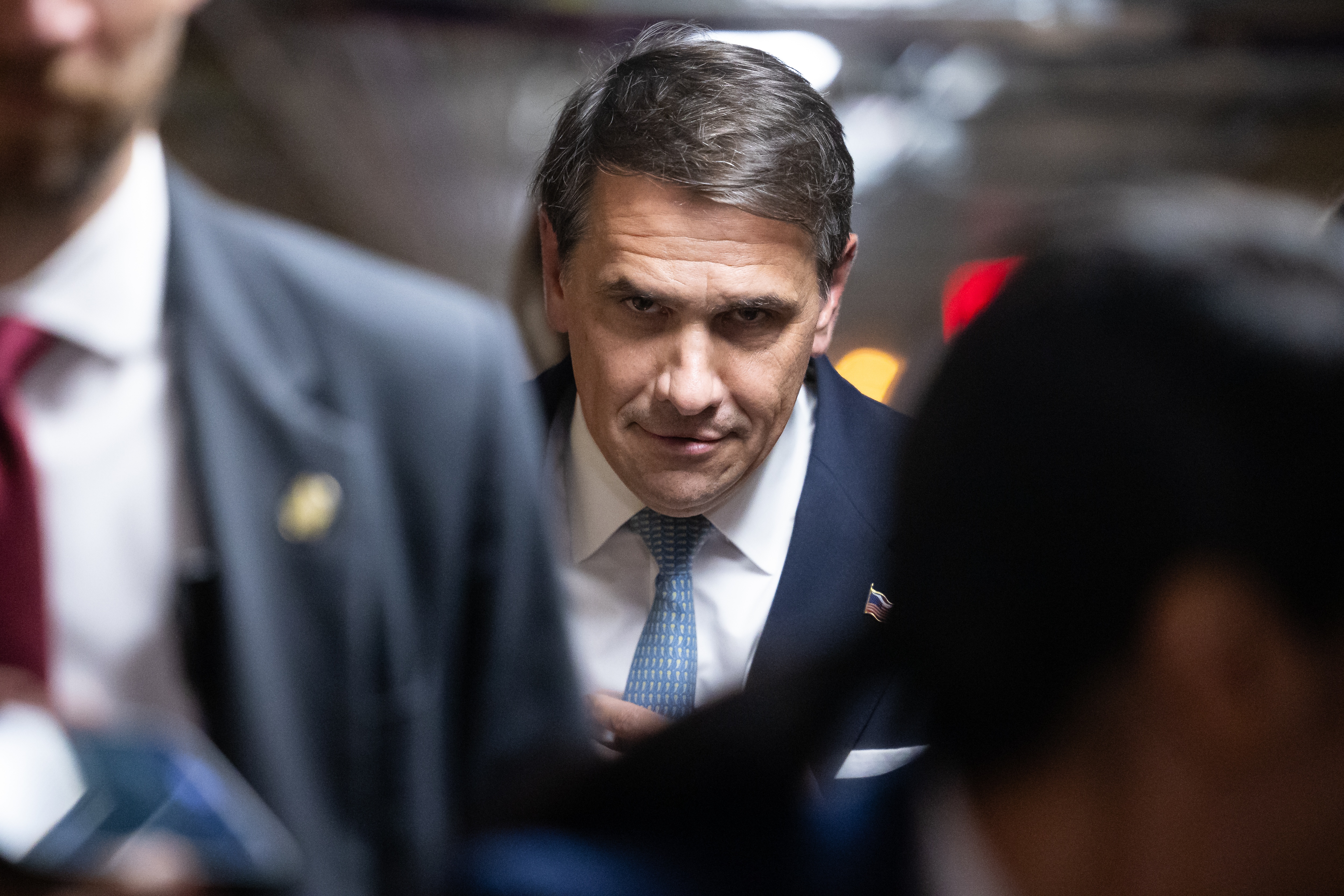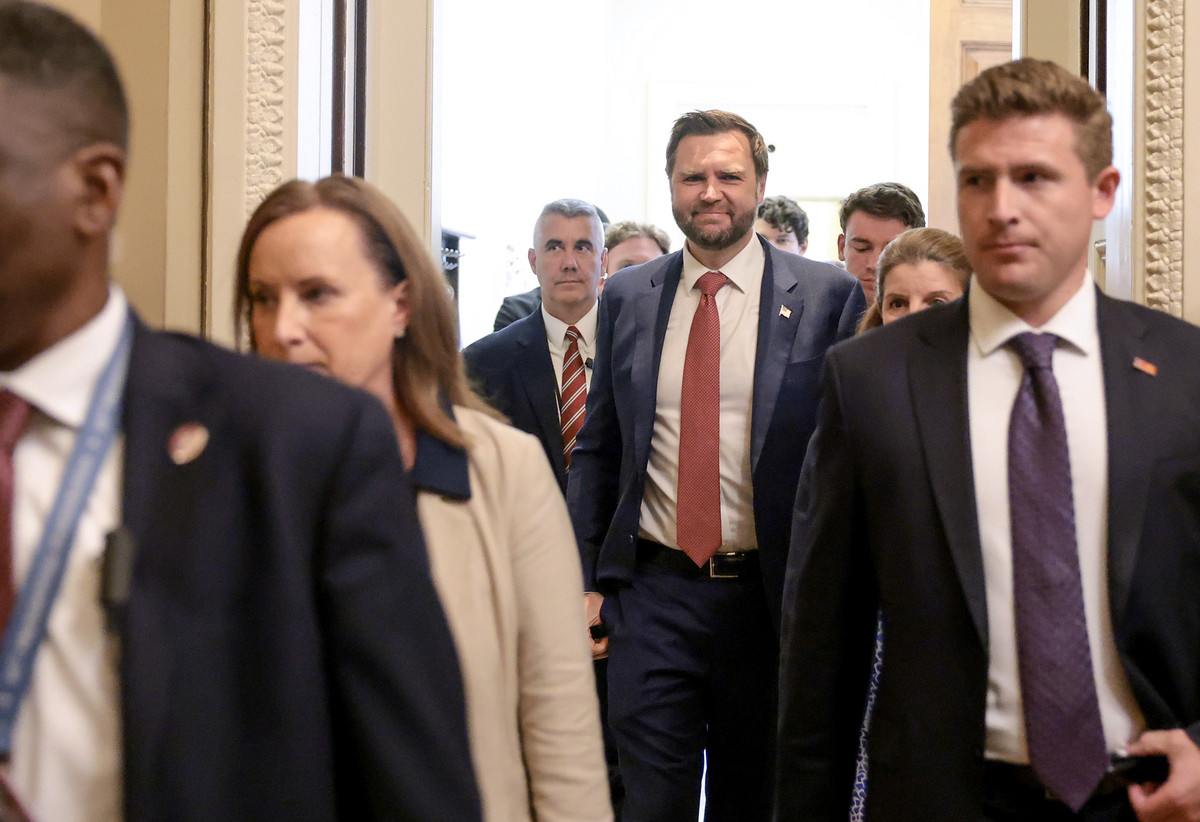
Instead, they got a suggestion to attack Democrats as radicals, a talking point that one lawmaker privately dismissed as out of touch with the economic anxiety gripping their districts.
That briefing has become a symbol of a broader breakdown in communication. According to six people with direct knowledge of the matter, the regular messaging guidance the White House provided to Republicans at the start of the war with Iran has dwindled to almost no communication at all in recent weeks. The silence comes at a critical moment, with the five-month conflict keeping average gas prices above $4 per gallon in an election cycle where cost-of-living concerns dominate voter concerns.
Multiple House Republicans described the campaign trail guidance as scarce and "tone deaf," a sharp turn from the early days of the conflict when administration officials supplied lawmakers with regular updates and suggested language for discussing the war with constituents. Now, those same lawmakers say they are being left to navigate the political fallout on their own.
At the briefing last month, White House officials encouraged Republicans to draw a contrast with what they described as unelectable, radical Democrats rather than focusing on the administration's own record. But one House Republican noted that the administration's accomplishments on the cost of living side are "mixed, at best, with the war," making that advice difficult to follow in competitive districts.
Mixed Messaging on Economic Wins
White House officials have also continued to press GOP incumbents to tout the benefits of the tax cuts and spending bill passed last summer, according to lawmakers familiar with the discussions. But some Republicans worry that message does not resonate with voters who are more focused on immediate price increases at the pump than on legislative achievements from months ago.
The disconnect is fueling frustration among rank-and-file Republicans in Congress and in campaigns across the country, many of whom are desperate for a resolution to the conflict that has disrupted energy markets and upended their political calculations. Without clear direction from the White House, some have begun crafting their own messaging strategies tailored to their local districts, a patchwork approach that risks inconsistency across the party.
White House officials have not publicly acknowledged any change in their outreach strategy, and the administration continues to hold regular briefings on national security matters. But the people with knowledge of the conversations say the frequency and substance of political messaging guidance has dropped off noticeably, leaving many Republicans to wonder whether the administration has simply run out of ideas or is deliberately keeping its distance from an unpopular war.