Just a few blocks away, the city’s iconic Strip hummed with construction cranes and tourist traffic, a tangible reminder of the economic expansion that President Donald Trump credits for a surprisingly strong first quarter growth report.
The disconnect between Democratic warnings and the lived reality of a booming economy has become a source of deepening anxiety within the party. With the government reporting that the nation’s economy grew at an unexpectedly fast pace in the first quarter, many Democrats fear they are losing the battle for a defining economic narrative ahead of the 2020 election. While Mr. Trump has seized on the data to bolster his reelection pitch, Democratic presidential contenders have spent recent weeks immersed in the Mueller report and debating whether incarcerated felons should be allowed to vote.
“We don’t really have a robust national message right now,” said Celinda Lake, a leading Democratic strategist and pollster. She said the party tends to talk about popular policies like paid leave and equal pay, but these do not add up to a message robust enough to win the presidency. “You may agree or not with it, but you know what his message is,” Ms. Lake added, referring to Mr. Trump. “And Democrats, you don’t know what it is. And that’s a recipe for disaster in 2020.”
The struggle to craft a unified economic argument was on display even as the party’s candidates fanned out across early voting states. Former Vice President Joe Biden, who entered the race last week, did not mention jobs or the economy once in his campaign announcement video, instead revisiting the violence at a white supremacist rally in 2017 in Charlottesville, Virginia. The omission underscored a broader challenge for a party whose top tier candidates speak frequently about income inequality and the cost of health care but have yet to weave those concerns into a disciplined counterweight to Mr. Trump’s simple, bullish message of growth.
At the National Forum on Wages and Working People here, labor organizers acknowledged the gap. Mary Kay Henry, president of the Service Employees International Union, said that while there are “good, specific ideas for certain sectors of the economy,” organizers are still “looking for a comprehensive response” from Democrats. The party’s diffuse message, she suggested, is partly a function of the breadth of the primary field, a condition that could be cured once a nominee is selected.
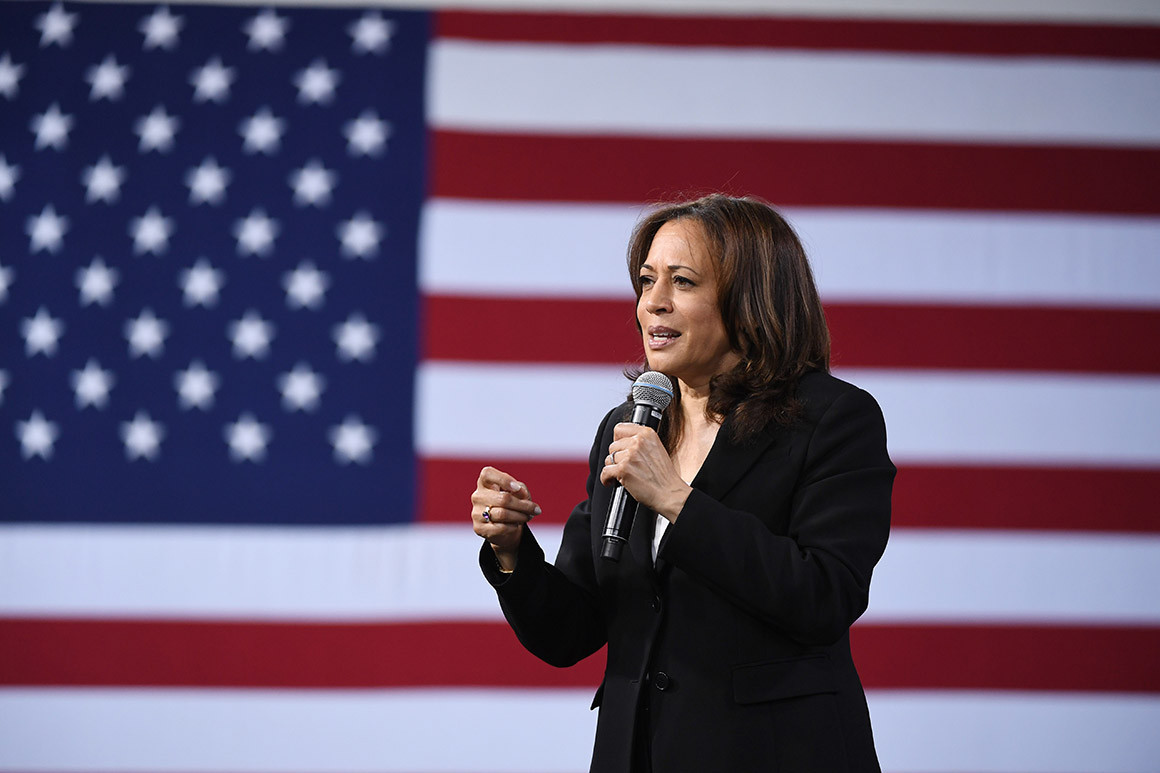
Senator Elizabeth Warren of Massachusetts has offered one of the most pointed refrains, calling for a fairer economy by urging the party to “make the zillionaires pay a fair share.” Senator Harris, speaking in Las Vegas, echoed the sentiment, saying, “We have an economy in this country that is not working for working people.” Yet these individual proposals have not coalesced into a single, party-wide argument capable of matching the president’s consistent, if controversial, economic narrative.
Republicans have long believed that if the economy held up, Mr. Trump could win a second term. With growth accelerating and unemployment low, that belief is hardening into a conviction. For Democrats, the pressure to answer that challenge is mounting, and the time to find a unifying message is shrinking.