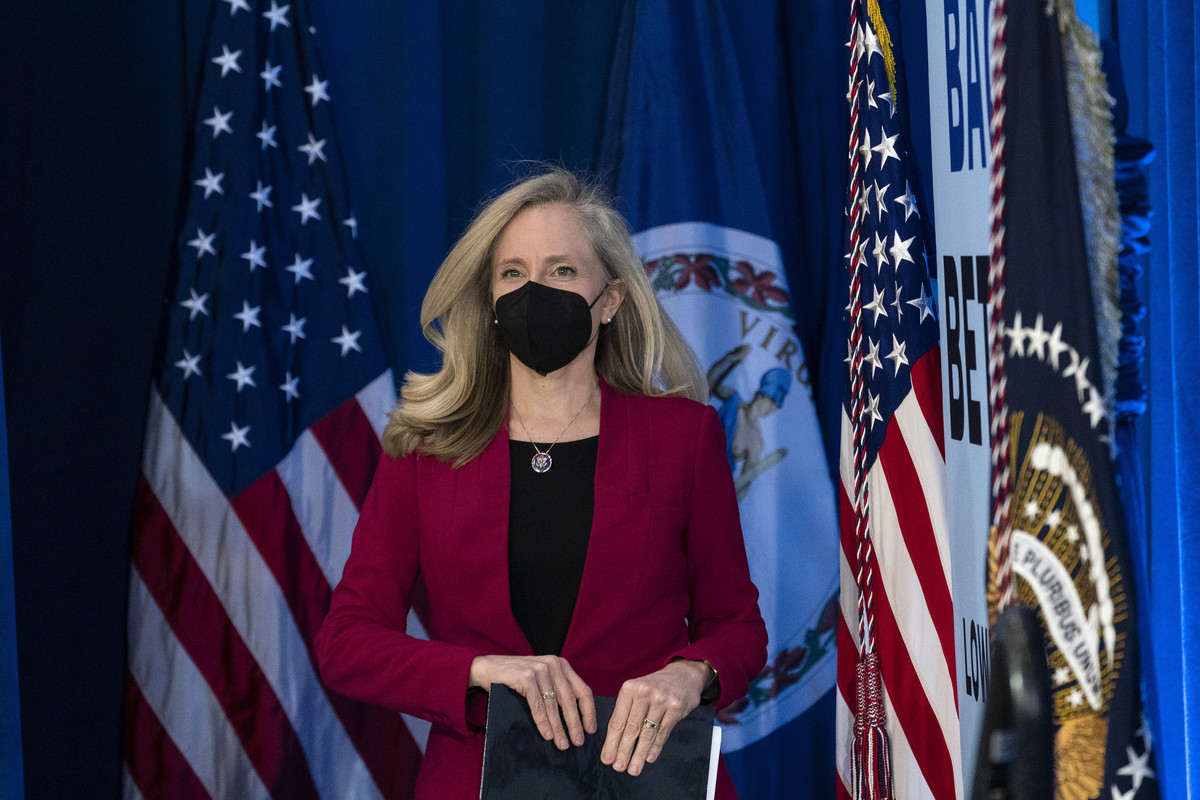
“I’ve been in rooms full of people who say, ‘Oh and I love that stock bill,’” the Virginia Democrat recalled this week. “And everybody’s like, ‘yes!’” Even those who did not vote for her, she noted, approach her with the same enthusiasm. “I have had people say, ‘Oh, well I didn’t vote for you, but that stock bill!’”
The moment captures a broader shift among Democrats who now see a ban on lawmaker stock trading as a rare political winner in a midterm cycle dominated by inflation and economic anxiety. After months spent on a failed push for sweeping voting and ethics legislation, some of the party’s most vulnerable members are betting that voters will reward them for taking on a more targeted form of accountability. The issue has drawn bipartisan interest, fueled by recent scrutiny of trades by Representative Tom Malinowski, a New Jersey Democrat, and Senator Richard Burr, a North Carolina Republican, as well as two Georgia Republican senators whose 2021 losses handed Democrats control of the Senate.
Yet the path to a ban is far from clear. Democrats are divided over which of several competing bills to advance and must contend with a potential Republican filibuster in the Senate. The party’s narrow majorities leave little margin for error, and internal disagreements over the scope and enforcement of any trading restrictions have slowed momentum. Even supporters acknowledge that the effort may fall short this year.
Kitchen Table Economics vs. Ethics Reform
Vulnerable Senate Democrats including Catherine Cortez Masto of Nevada and Mark Kelly of Arizona have voiced support for banning lawmaker stock trades. But both said their constituents remain far more focused on the broader economy. Nevadans ask about “kitchen table issues: Jobs, the economy, health care, prescription drug costs,” Cortez Masto said. Still, she argued that Congress owes “transparency and accountability to the public and to the taxpayers who fund our salary every day.”
The push comes as Congress faces persistently dismal approval ratings and Democrats confront steep headwinds in the midterms. Some party strategists see a bipartisan deal on stock trading as a way to improve those numbers. The strategy echoes a familiar playbook: a decade before Donald Trump won the White House vowing to “drain the swamp,” Democrats swept back to power in Congress partly on a promise of ethics reform after Republican influence scandals.
In interviews this week, a number of Republican senators expressed openness to reform, raising the possibility of a rare bipartisan accord. But the legislative calendar is crowded with must-pass spending bills and other priorities, and any stock trading ban would need to clear procedural hurdles in both chambers. For now, Spanberger and her allies are pressing forward, convinced that even a failed attempt could pay political dividends. “I’ve been in rooms full of people who say, ‘Oh and I love that stock bill,’” she said. “And everybody’s like, ‘yes!’”