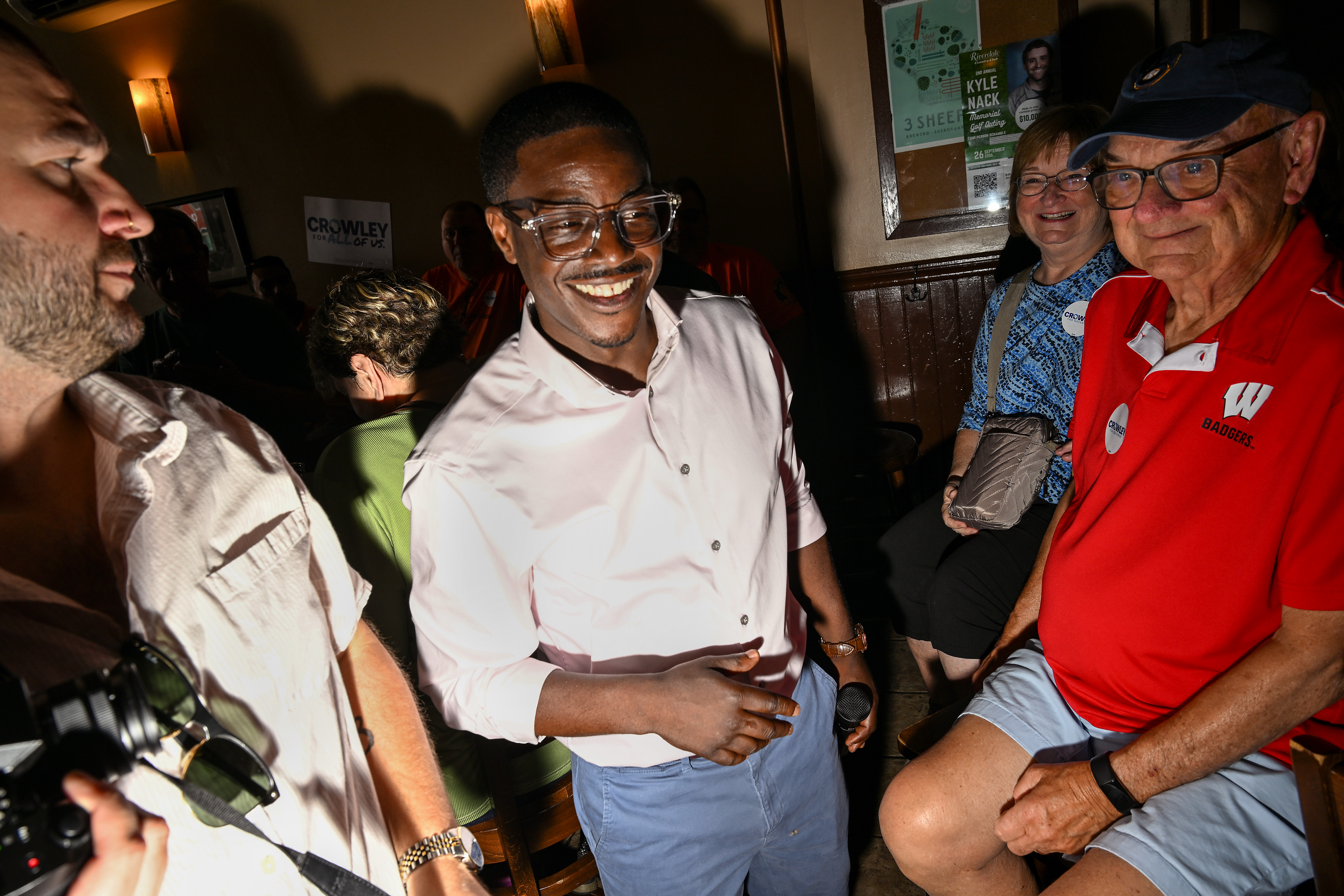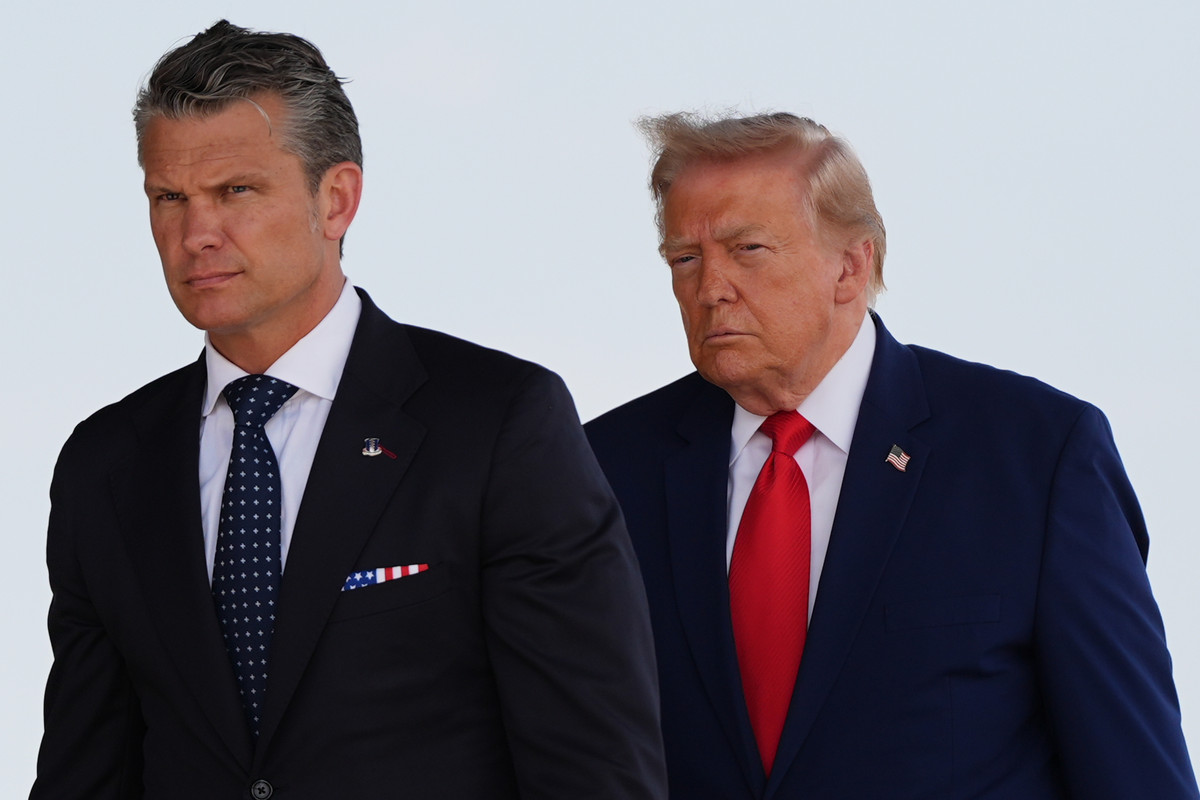
The candidate nodded, pointed at the crowd and replied, “Exactly.” It was a moment that encapsulated a new strategy taking shape on the campaign trail, where Defense Secretary Pete Hegseth has emerged as a central villain for Democratic hopefuls seeking to channel voter anger over the direction of the military and national security.
For months, aspiring lawmakers focused on defense issues have been quietly planning to shift their attacks from President Donald Trump to the Pentagon chief, using stump speeches and campaign videos to highlight the controversial way he has run the department. The strategy is simple. Hegseth’s public persona, shaped by his years on television, makes him a well-known and highly visible target. And the controversies that have trailed him, from an embarrassing use of sensitive military information on a commercial app to an initial attack on Iran that has dragged into a monthslong war, set him up as a convenient foil.
“The more Hegseth puts himself out there, the more he does the work for us,” said Matt Corridoni, a Democratic strategist who advises election advocacy groups such as The Bench and VoteVets. “Normally the secretary of Defense is not such a politically focused position, but he has pushed it into hyper politics. So you’re going to see candidates using him as a foil more and more.” Congressional hopefuls have already started testing out the approach, weaving references to Hegseth into their campaign materials and debate performances.
The shift reflects a broader calculation among Democratic strategists that Hegseth’s polarizing leadership style offers a more immediate and relatable target than the president, particularly among swing voters who may be fatigued by direct attacks on Trump. Hegseth’s decisions, including the handling of the Iran conflict, have drawn bipartisan criticism, giving Democratic candidates a rare opening to hammer a senior administration official on national security grounds without appearing purely partisan.
From Pentagon to Political Lightning Rod
Hegseth’s background as a former Fox News host has made him an unusually visible figure for a Defense secretary, a role traditionally kept at arm’s length from electoral politics. His frequent public appearances and combative interviews have provided Democratic campaign ad producers with a steady stream of footage, which they are now using to tie Republican opponents to his record. In one recent ad, a candidate in a competitive House district juxtaposed Hegseth’s statements about military readiness with images of service members returning from the Middle East.
The strategy carries risks. Republican strategists have argued that focusing on Hegseth could backfire, energizing conservative voters who see the Defense secretary as a reformer willing to challenge Pentagon bureaucracy. But Democratic campaign officials say internal polling shows that Hegseth’s approval ratings have slipped among independent voters, particularly after reports of operational missteps during the Iran campaign. For now, the party’s candidates are betting that making Hegseth the face of the administration’s defense policy will resonate with a war-weary electorate.
As the 2026 midterm elections approach, the Pentagon chief is likely to remain a fixture on the campaign trail. “He has made himself the story,” Corridoni said. “And we are happy to let him stay there.”